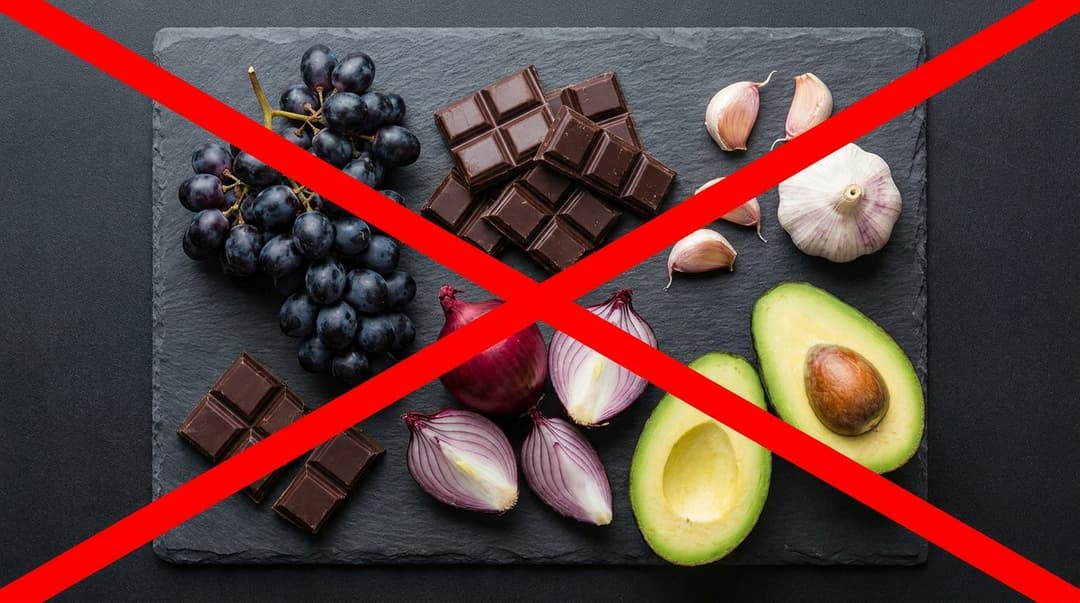
The myth: "a little chocolate won't hurt"
A lot of pet owners assume chocolate poisoning is an all-or-nothing event — either your dog eats a whole bar and ends up at the emergency vet, or a lick of frosting is harmless. Neither is quite right. Toxicity depends on three things at once: how much your pet weighs, how much chocolate they ate, and which type of chocolate it was. A ten-pound terrier that gets into a box of baking chocolate is in a very different situation than a seventy-pound Labrador that steals a single milk chocolate egg — and the second scenario is genuinely fine more often than owners expect, while the first can be a real emergency.
The compound that makes chocolate dangerous is theobromine (chocolate also contains caffeine, a related and less concentrated culprit). Dogs and cats metabolize theobromine far more slowly than humans do, so it builds up to toxic levels at doses that would do nothing to a person. Cats are actually more sensitive to theobromine on a per-pound basis than dogs — they just get into chocolate less often, largely because cats lack the taste receptor for sweetness (a genetic quirk confirmed in feline taste-receptor research), so they're not drawn to it the way dogs are.
How much chocolate is actually dangerous
Veterinary toxicology references (the Merck Veterinary Manual's toxicology section and ASPCA Animal Poison Control data are the standard sources vets use) group theobromine exposure into three rough tiers: mild GI upset, cardiac symptoms, and seizure risk. The exact threshold shifts with body weight, but the type of chocolate matters just as much as the amount, because theobromine concentration varies enormously by product.
| Chocolate type | Theobromine concentration | Relative risk |
|---|---|---|
| White chocolate | Negligible (trace) | Lowest — rarely causes toxicity from theobromine, though the sugar/fat can cause GI upset |
| Milk chocolate | Low-moderate | Requires a fairly large amount relative to body weight to reach toxic doses |
| Semisweet / dark chocolate | Moderate-high | Toxic doses reached with much smaller amounts than milk chocolate |
| Unsweetened baking chocolate / cocoa powder | Very high | Small amounts can be dangerous, especially for small dogs and cats |
This is why the same "one bite" can be a non-event or an ER visit depending entirely on what kind of chocolate it was. A calculator that takes your pet's weight, the chocolate type, and the amount eaten gives a far more useful answer than a flat "call the vet" rule — though it's a screening tool, not a replacement for one.
What poisoning actually looks like
Signs typically appear within 6 to 12 hours of ingestion and can last well over a day because theobromine has a long half-life in dogs and cats. Early signs are gastrointestinal: vomiting, diarrhea, restlessness, and increased thirst. As the dose climbs, you move into cardiac territory — a racing or irregular heartbeat, high blood pressure, muscle tremors — and at the highest doses, seizures. The lag between ingestion and visible symptoms is part of why "wait and see" is a risky approach: by the time symptoms show up, the window for the vet to induce vomiting effectively (usually most useful within 2 hours of ingestion) may have already closed.
Common mistakes owners make
Assuming "my dog seems fine" means they're fine. Theobromine symptoms are delayed. A pet that looks normal 30 minutes after eating chocolate can still develop serious symptoms hours later.
Using a dog chocolate chart for a cat. Cats are more sensitive to theobromine pound-for-pound than dogs, so a "safe" dog dose isn't automatically safe scaled down for a cat — always check species-specific guidance.
Forgetting less obvious sources. Hot cocoa mix, chocolate-covered coffee beans, chocolate-flavored protein powder, and cocoa mulch used in gardens all contain meaningful theobromine and are easy to overlook.
Inducing vomiting incorrectly, or too late. Home remedies for inducing vomiting can cause aspiration or esophageal injury if done wrong, and are ineffective once the chocolate has already moved past the stomach. This step should be guided by a vet or poison control, not improvised.
Not accounting for weight precisely. "My dog is medium-sized" isn't precise enough — a 40-lb dog and a 65-lb dog can land in different risk tiers for the exact same amount of chocolate.
Recommended tools
- Dog Chocolate Toxicity Calculator — enter your dog's weight, the chocolate type, and amount eaten for an instant risk read
- Cat Chocolate Toxicity Calculator — the same check calibrated for feline sensitivity
- Food Safety Checker — check any other ingredient your pet got into against known toxicity data
- Vet Cost Estimator — get a sense of what an emergency vet visit typically runs in your area
- Pet Insurance Calculator — see whether coverage would offset the cost of an incident like this one
FAQs
How much chocolate is toxic to a dog? It depends on your dog's weight and the chocolate type — baking chocolate and cocoa powder are toxic in much smaller amounts than milk chocolate. Use the calculator above with your dog's exact weight rather than relying on a flat rule.
Is white chocolate safe for dogs? White chocolate contains only trace theobromine, so it's very unlikely to cause chocolate toxicity specifically — though the sugar and fat content can still cause an upset stomach or, in larger amounts, pancreatitis risk.
Are cats really more sensitive to chocolate than dogs? Yes, pound-for-pound cats are more sensitive to theobromine than dogs. They ingest it less often mainly because cats lack a functional sweet-taste receptor, not because they tolerate it better.
What are the first signs of chocolate poisoning? Vomiting, diarrhea, restlessness, and excessive thirst usually come first, followed by a racing heartbeat and tremors in more serious cases. Signs can take 6-12 hours to appear.
Should I induce vomiting at home? Only if directed by a vet or animal poison control — timing and method matter, and doing it incorrectly can cause additional harm. Call first.
How long does chocolate poisoning take to show symptoms? Typically 6 to 12 hours, though it can be faster on an empty stomach. Because theobromine has a long half-life, symptoms can also persist for well over 24 hours in serious cases.
The bottom line
Chocolate toxicity is genuinely dose-dependent, and most "my dog ate a little chocolate" situations resolve without incident — but the ones that don't tend to involve dark or baking chocolate and smaller pets, and they get more dangerous the longer you wait to act. When in doubt, run the numbers and call your vet or an animal poison control line rather than guessing.
Frequently asked questions
PawCalculator Editorial
We combine veterinary references, published guidelines, and calculator-grade modeling. This article is for education, not a substitute for an exam.
+ Follow on PawTalk