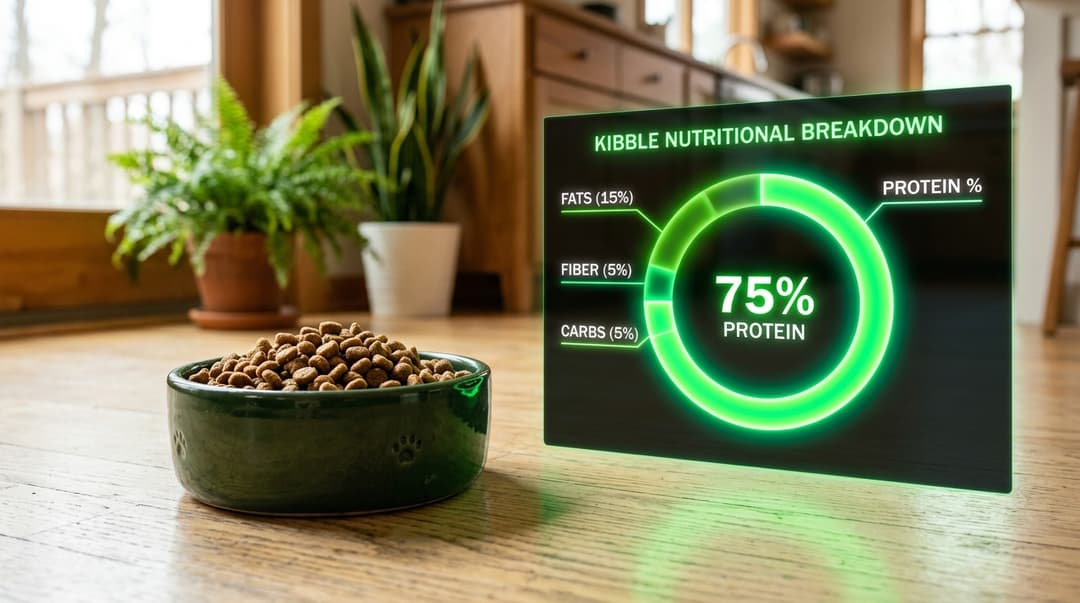
How Much Protein Does Your Dog Need?
Your inputs
Results update live as you type.
Your results
Fill in the form to see your estimate.
Ready when you are
Fill in the form to see your reference estimate
Veterinary reference only
Consult your vet if a kidney condition is present.
Keep going with a related calculator.
How Much Protein Does Your Dog Need?
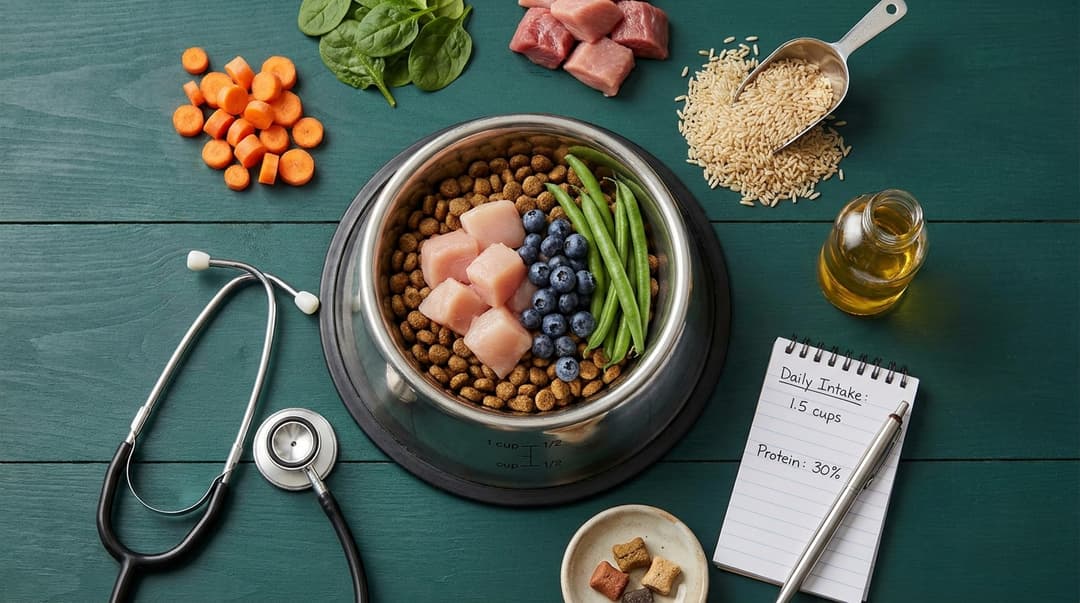
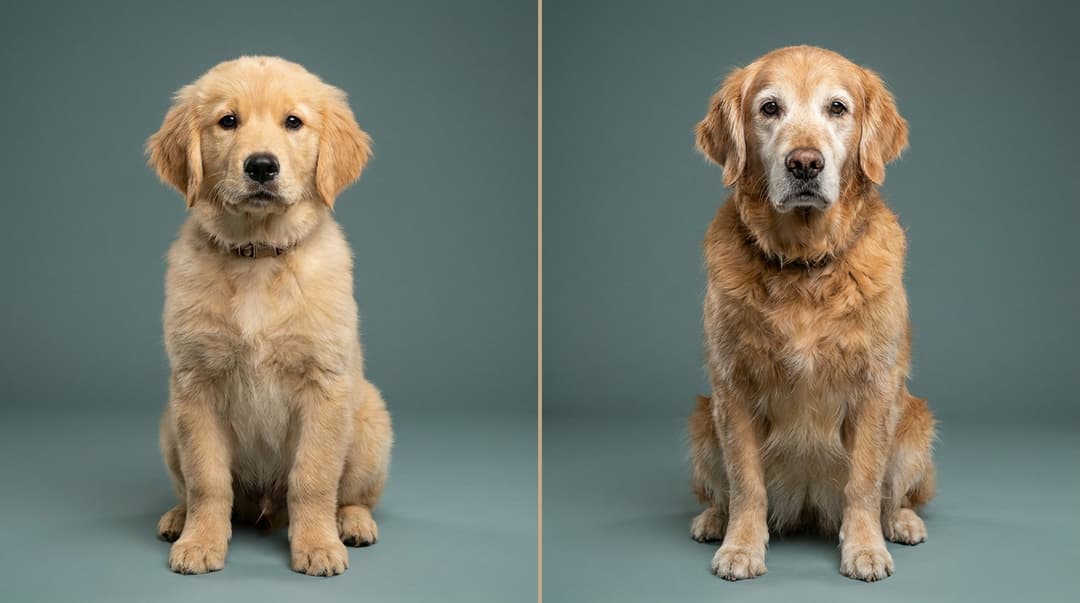
Minimum protein requirements published by AAFCO (the body that sets US pet food nutritional standards) are 22.5% of dry matter for growth/reproduction and 18% for adult maintenance — but "minimum" isn't the same as "optimal," and factors like activity level, muscle maintenance in seniors, and life stage all push the practical target higher for many dogs. This calculator estimates a daily protein gram target based on weight, life stage, and activity level, which you can then cross-reference against your food's guaranteed analysis label.
How to use this calculator
Enter weight, life stage, and activity level. The calculator returns a daily protein gram target above the AAFCO minimum, scaled for the factors that push real-world need higher than the floor.
AAFCO minimums vs. practical targets
| Life stage | AAFCO minimum (dry matter) | Practical target range |
|---|---|---|
| Adult maintenance | 18% | 22–28% |
| Growth/reproduction | 22.5% | 25–32% |
| Senior (healthy) | 18% (no separate AAFCO tier) | 22–30% |
| Active/working | 18% | 28–35%+ |
Understanding your results
The gram target this calculator returns is meant to be checked against your food's label, not treated as a supplement-shopping list — most complete commercial diets already meet or exceed AAFCO minimums, so the more useful comparison is often between foods rather than adding a protein supplement on top of a complete diet. One label-reading catch: guaranteed analysis percentages are usually listed "as fed," which includes moisture — a canned food showing 8% protein and a dry kibble showing 24% protein aren't as different as they look once you adjust both to a dry-matter basis. If your dog has a diagnosed kidney condition, protein management works differently under vet guidance than the general targets here, since restriction (not maximization) may be appropriate.
Converting as-fed to dry matter, roughly. Divide the label's as-fed protein percentage by (100% minus the moisture percentage), then multiply by 100. A canned food listing 8% protein and 78% moisture works out to roughly 36% protein on a dry-matter basis — much closer to a dry kibble's number than the label alone suggests.
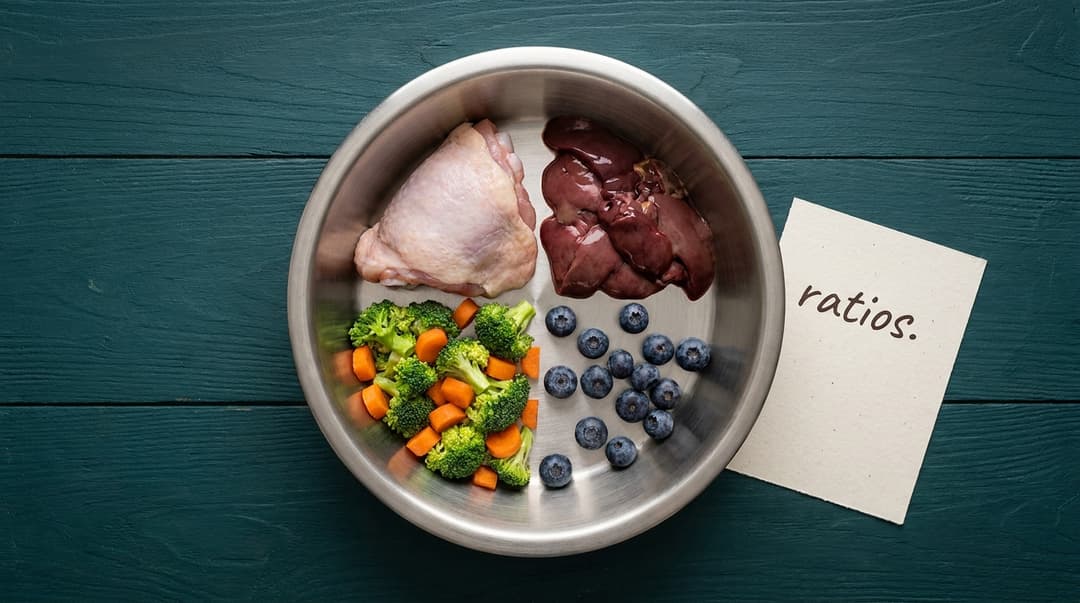
Protein quality matters alongside quantity. Not all protein sources are digested and utilized equally — animal-based proteins generally have higher digestibility and a more complete amino acid profile for dogs than many plant-based protein sources, which is part of why the percentage on a label doesn't tell the whole nutritional story on its own.
Reading a label the right way, step by step
The guaranteed analysis panel on a pet food label is standardized enough to compare across brands, but only once you know exactly what to look for and what to ignore. Start with the crude protein minimum percentage, then check the moisture percentage listed nearby — these two numbers together are what let you convert to a dry-matter basis using the formula in this guide, and skipping that conversion is the single most common reason owners misjudge how a wet food compares to a dry food. Ignore marketing callouts on the front of the bag ("high protein," "wild-caught," "grain-free") entirely when doing this comparison — none of these are regulated in a way that guarantees a specific protein percentage, and the only numbers that matter for an actual comparison are the ones in the guaranteed analysis panel on the back or side. If a label lists an ingredient list with multiple named meat sources near the top, that's a reasonable proxy for protein quality, but it doesn't substitute for checking the actual guaranteed analysis percentage against your calculated target.
Protein needs during recovery and illness
Beyond the standard life-stage and activity adjustments this calculator makes, certain recovery situations shift protein needs in ways worth discussing directly with your vet rather than estimating independently. A dog recovering from surgery or a significant illness often has elevated protein needs to support tissue repair and immune function, sometimes meaningfully above even the "active" tier used here — this is a situation where a veterinary nutritionist's specific recommendation, tailored to the surgery or condition, is more accurate than a general calculator. Conversely, dogs with certain conditions (advanced kidney disease being the most common) may need protein intake managed downward rather than upward, and critically, this restriction should always come from a vet's specific diagnosis and guidance rather than self-directed based on general information like this page — protein restriction implemented incorrectly, or in a dog that doesn't actually need it, can cause its own problems like muscle wasting.
When to consult a professional
For health, dosage, or nutrition decisions, always confirm calculator output with your veterinarian. This tool provides reference estimates, not medical advice.
Questions about this calculator
Not necessarily — while healthy dogs handle higher protein well, dogs with certain kidney conditions may need protein managed differently under veterinary guidance, so "more is better" isn't a universal rule.
The math, openly documented.
Inputs
Enter the details that affect your estimate.
weight · age · breed
Normalize
Validate ranges and convert units when needed.
lbs ↔ kg
Calculate
Veterinary or industry-standard formulas applied.
result = f(inputs)
Results
Clear outputs with context and disclaimers.
display + notes
More from Nutrition
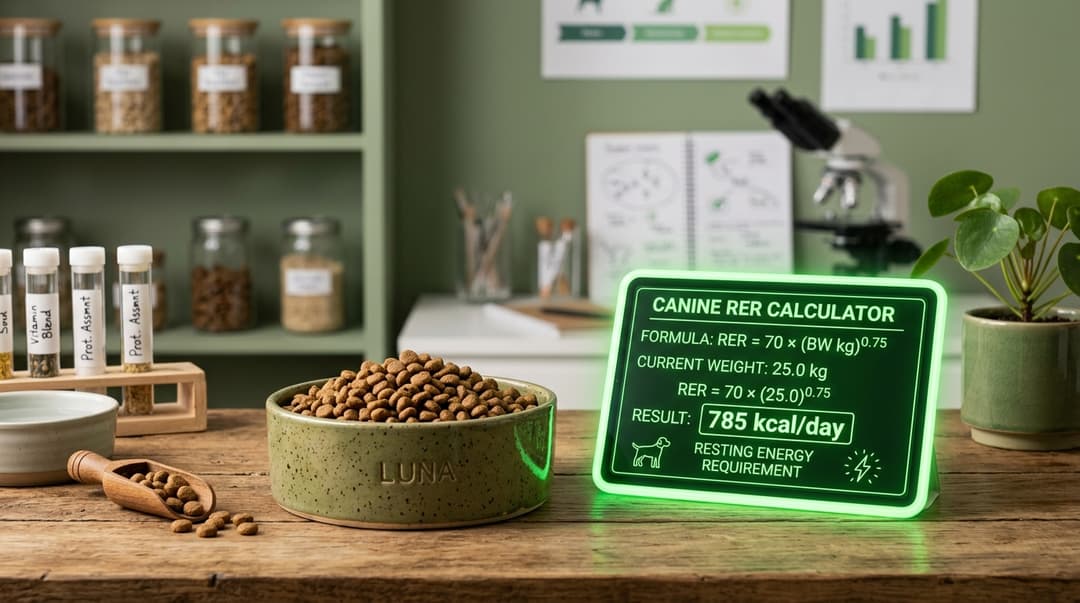
Calculate Your Dog's RER (Resting Energy Requirement)
dog rer calculator: Calculate Resting Energy Requirement using the exact WSAVA-referenced formula: 70 × (weight in kg)^0
Open tool
Dog Food Portions by Weight and Age
dog food calculator by weight and age: Enter your dog's exact weight and age for a portion recommendation that adjusts a
Open tool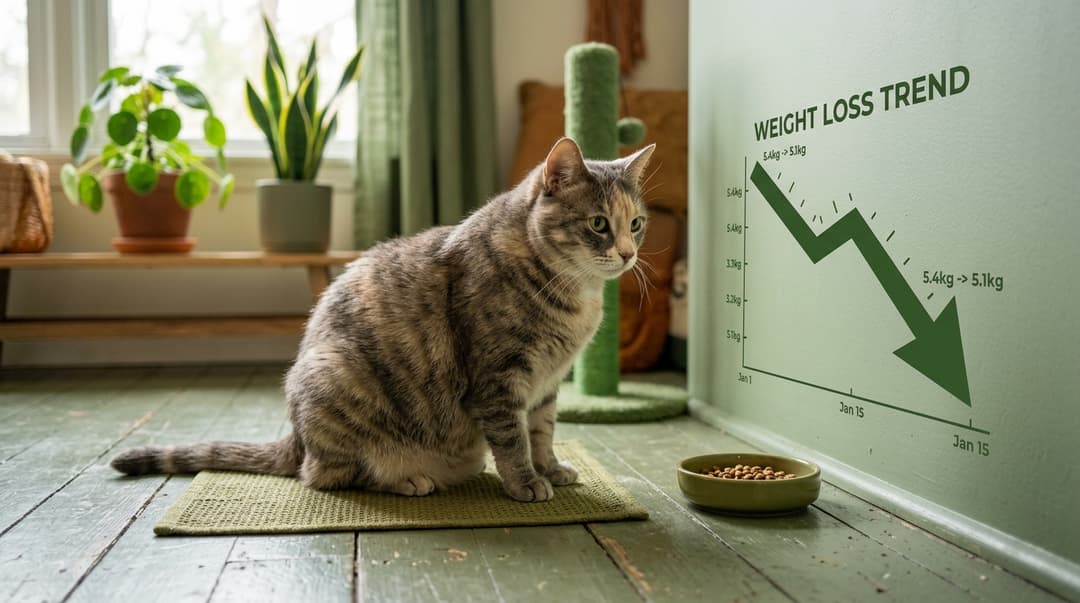
A Safe Weight-Loss Plan for Your Cat
cat weight loss calculator: Calculate a safe weight-loss calorie target for your cat — rapid weight loss carries real he
Open toolArticles from Insights
Got an edge case the calculator can't handle?
247 active threads about dog nutrition right now. Verified vets and experienced owners answer within hours.