The Most Dangerous Foods for Dogs
Grapes and Raisins
Toxicity level: Severe. Potentially fatal.
Grapes and raisins cause acute kidney failure in dogs. The exact toxic compound has not been definitively identified — there is no established safe dose. Some dogs develop kidney failure from a single grape. Never give grapes, raisins, sultanas, currants, or grape juice. Check trail mixes, cereals, baked goods, and fruit cakes.
Signs: Vomiting and diarrhoea within hours. Lethargy, abdominal pain, decreased urination progressing to no urination. Kidney failure signs within 24–72 hours.
Action: Contact your vet or ASPCA Animal Poison Control (888-426-4435) immediately — even if your dog appears fine.
Xylitol
Toxicity level: Severe. Potentially fatal.
Xylitol is an artificial sweetener in sugar-free products — chewing gum, mints, some peanut butters, toothpaste, vitamins, and baked goods. In dogs, it causes massive insulin release leading to profound hypoglycaemia and liver failure. A single piece of xylitol gum can be enough to affect a 10 lb dog.
Always check peanut butter labels. Look for xylitol, birch sugar, or wood sugar.
Signs: Vomiting, loss of coordination, lethargy, seizures. Liver failure signs 24–72 hours later.
Onions, Garlic, and Alliums
Toxicity level: Serious. Cumulative.
All alliums — onions, garlic, shallots, leeks, chives, scallions — contain thiosulphates that damage red blood cells, causing haemolytic anaemia. Garlic is approximately 5× more toxic than onions by weight. All forms are toxic — raw, cooked, powdered, or dehydrated. A teaspoon of garlic powder can be toxic to a medium dog. Toxicity is cumulative — small amounts fed regularly build up over time.
Signs: Pale gums, weakness, reduced appetite, reddish or brownish urine. May be delayed 3–5 days.
Chocolate
Toxicity level: Serious to severe, depending on type and quantity.
Chocolate contains theobromine and caffeine, which dogs metabolise much more slowly than humans.
| Chocolate Type | Theobromine per oz | Risk to 20 lb dog |
|---|
| White chocolate | Negligible | Very low |
| Milk chocolate | 44–60 mg/oz | Moderate — 1 oz can cause symptoms |
| Dark chocolate | 130–450 mg/oz | High — small amounts dangerous |
| Baking chocolate | 390–450 mg/oz | Very high — even small amounts |
| Cocoa powder | 400–737 mg/oz | Very high — extremely concentrated |
Signs: Vomiting, diarrhoea, excessive thirst, restlessness, muscle tremors, elevated heart rate, seizures.
Since risk here depends on both your dog's weight and which type of chocolate got eaten, the Dog Chocolate Toxicity Calculator is a faster way to get a risk read than cross-referencing the table above by hand. Cats are highly sensitive to chocolate too, even in smaller amounts than dogs typically get into — the Cat Chocolate Toxicity Calculator estimates risk by a cat's weight if they get into any of it.
Macadamia Nuts
Toxicity level: Moderate to serious.
Cause weakness, hyperthermia, vomiting, and tremors at approximately 2.4g/kg body weight — around 6 nuts for a 20 lb dog. Increasingly found in trail mixes, baked goods, and chocolate-covered snacks.
Alcohol
Toxicity level: Serious.
Dogs are far more sensitive to alcohol than humans. Even small quantities of beer, wine, spirits, or alcohol-containing foods (rum cake, vanilla extract, fermented fruit) cause vomiting, disorientation, respiratory depression, and potentially fatal CNS depression. There is no safe dose.
Raw Yeast Dough
Toxicity level: Serious.
Yeast continues to ferment in the stomach, producing alcohol, and the physical expansion of the dough causes gastric distension and potentially bloat (GDV). Cooked bread is safe in small quantities.
Caffeine
Toxicity level: Serious.
Coffee, tea, energy drinks, caffeine tablets. Clinical signs begin at approximately 20mg/kg. A single espresso is dangerous for a small dog.
Signs: Restlessness, vomiting, rapid breathing, heart palpitations, tremors, seizures.
Foods Toxic in Specific Forms or Quantities
Avocado: The flesh causes mild GI upset at small quantities. Real risks: pit (choking, obstruction) and high fat content (pancreatitis). Guacamole is particularly dangerous — typically contains onion and garlic.
Raw fish: Raw salmon and trout carry salmon poisoning disease (Neorickettsia helminthoeca), potentially fatal. Raw fish as a staple also causes thiamine deficiency over time. Cook fish before feeding.
Stone fruit pits (cherries, peaches, plums): Flesh is generally safe in small amounts. Pits, leaves, and stems contain cyanogenic glycosides. Primarily a choking and obstruction risk.
Raw potatoes / unripe tomatoes: Contain solanine — causes neurological and GI symptoms. Cooked potatoes and ripe tomatoes are safe in small amounts.
Nutmeg: Large quantities cause myristicin toxicity — hallucinations, disorientation, elevated heart rate, seizures.
Salt: Toxic dose approximately 4g/kg. Large amounts of salty snacks (pretzels, chips) fed to a small dog is a genuine risk.
Safe Foods Dogs Can Eat
Safe Fruits
Apples (no seeds or core), blueberries, watermelon (no rind or seeds), banana, mango (no pit or skin), pineapple (small amounts), strawberries, cranberries (small amounts), cantaloupe (no rind), pears (no seeds or core).
Not safe: Grapes, raisins, cherries (pit), large amounts of citrus.
Safe Vegetables
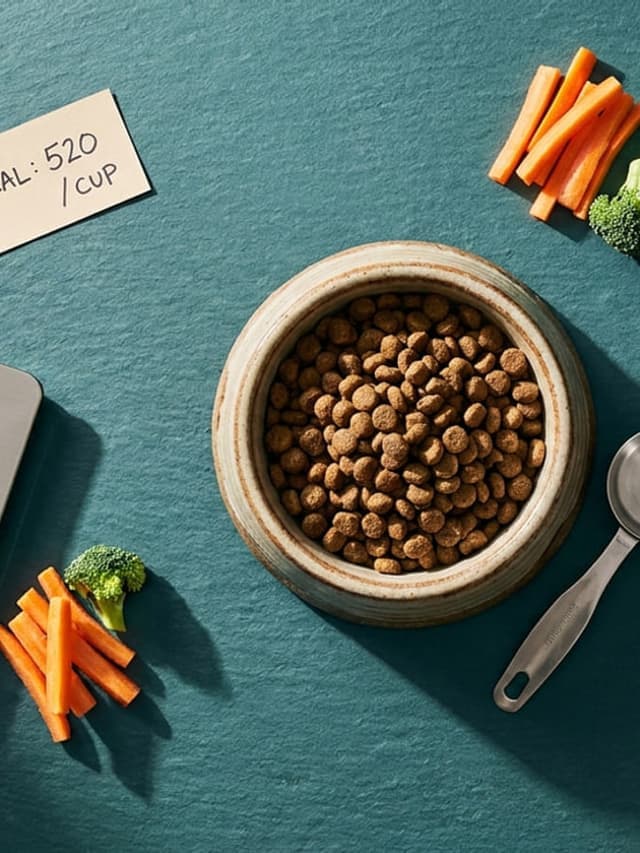
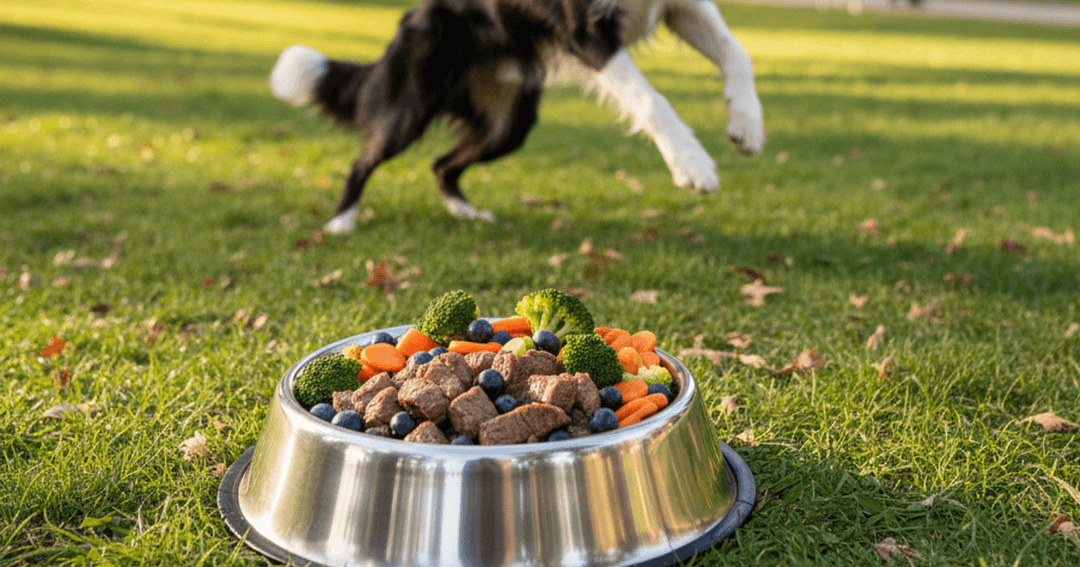
Carrots, broccoli (small amounts), plain cooked pumpkin, green beans, cucumber, peas (fresh or frozen), courgette/zucchini, cooked sweet potato, celery.
Not safe: Onions, garlic, leeks, chives, raw potatoes, rhubarb.
Safe Proteins
Cooked chicken (boneless, unseasoned), cooked turkey (boneless, unseasoned), cooked salmon (bones removed), cooked eggs, plain cooked beef (lean), cooked shrimp (no shell), plain cottage cheese, plain Greek yoghurt (no xylitol — check the label).
Not safe: Raw salmon/trout, cooked bones (splinter risk), heavily seasoned meats, processed meats with onion/garlic powder.
Safe Grains and Carbs
Cooked plain rice, cooked plain oatmeal (no added sugar), plain air-popped popcorn (no butter or salt).
Processed Human Foods: Always Check Labels For
- Xylitol — in peanut butter, yoghurt, gum, vitamins, protein bars
- Onion or garlic powder — in sauces, soups, seasonings, broths, baby food
- Raisins or currants — in trail mix, granola, baked goods
- Chocolate or cocoa — in protein bars, some cereals
- Caffeine — in energy bars, some protein powders
- High sodium — processed meats, canned foods, seasoning mixes
- Macadamia nuts — in trail mixes, cookies
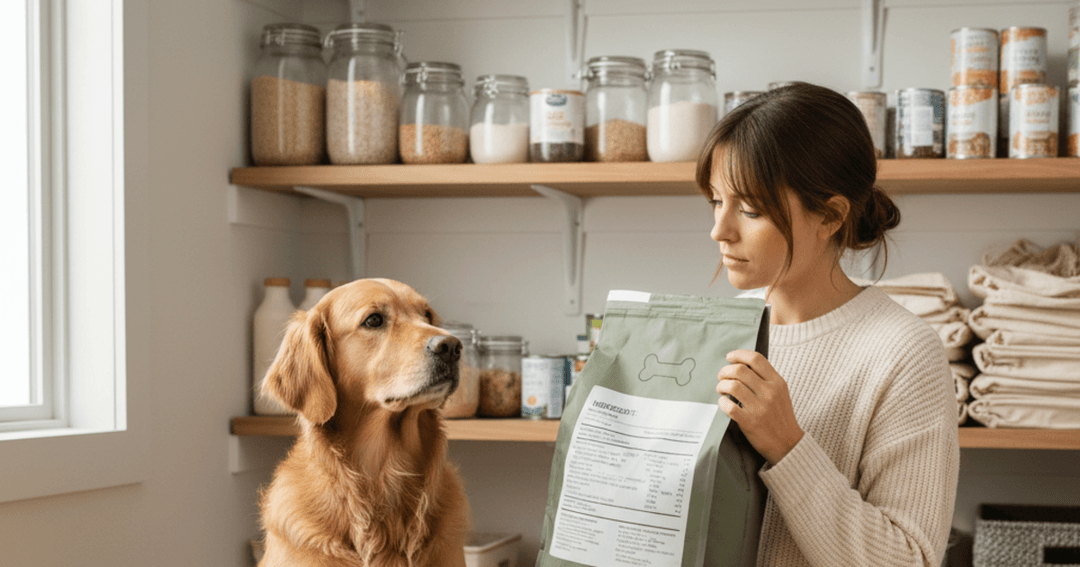
Baby food: many formulas contain onion powder. Always check ingredients before giving any processed human food.
What to Do If Your Dog Eats Something Toxic
- Don't wait for symptoms — many toxins cause irreversible damage before symptoms appear
- Identify what was eaten and how much — keep the packaging
- Contact: your vet immediately, ASPCA Animal Poison Control 888-426-4435 (24/7, $95 fee), or Pet Poison Helpline 855-764-7661
- Do not induce vomiting without professional guidance — some toxins cause more damage coming back up
- Bring the packaging to the vet
This same urgency applies beyond food — accidental medication exposure is just as common, and unlike many items on this list, something like Tylenol has no safe home dose for a dog at all; the Dog Tylenol/Acetaminophen Warning Calculator is worth bookmarking alongside this checklist.
Recommended Tools
- Food Safety Checker — Instantly verify any human food, ingredient, or supplement before feeding it to your dog.
- Dog Food Calculator — Calculate exact daily portions so treats are factored into the daily caloric budget.
- Raw Dog Food Calculator — Exact daily portions with built-in guidance for appropriate raw protein sources.
- Cat Food Calculator — Many toxic foods for dogs are also toxic for cats.
- Vet Cost Estimator — Toxin ingestion emergencies cost $500–$3,000. Know what to budget.
- Pet Insurance Calculator — Emergency toxin treatment is typically covered under accident policies.
- Pet Age Calculator — Senior pets have reduced organ function that makes toxin damage more severe.
- Adoption Cost Calculator — Factor emergency vet costs into your full first-year pet budget.
Check Before You Feed
→ Use the Food Safety Checker to instantly verify whether any human food, ingredient, or supplement is safe for your dog — before it goes in the bowl.