How to Use the Vet Cost Estimator
Step 1 — Select pet type. Dogs and cats have different care patterns and cost profiles — dogs generally see higher surgical and orthopedic costs at larger sizes, while cats carry a different routine-care and urinary/dental cost pattern.
Step 2 — Select location. Regional pricing differences are substantial across US states — the same wellness exam can cost nearly double in a high cost-of-living metro area compared to a rural region, which is why the regional multiplier matters as much as the procedure itself.
Step 3 — Select expected procedures. Include likely routine care plus at least one emergency scenario for practical yearly budgeting — most owners underestimate their annual total by only planning for the visits they expect, not the ones that catch them off guard.
Step 4 — Click Calculate. Use the range view, and budget toward the upper bound for safer planning — the low estimate assumes everything goes smoothly, which isn't always how a given year plays out.
Understanding Your Results
Cost variance is mostly driven by location, clinic type, and breed risk profile. Urban emergency/specialty settings can be multiples of routine-clinic pricing.
The estimator is best for predictable annual planning and does not fully represent uncommon specialist pathways (oncology, rehab, advanced chronic care).
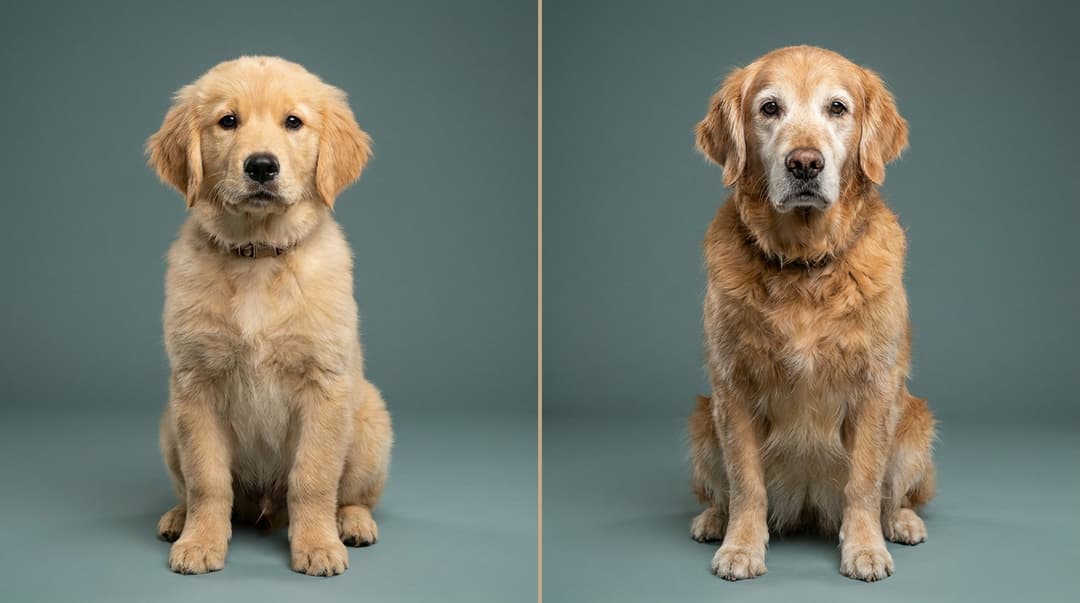
Why the life-stage table matters more than a single annual number. A single "average annual cost" figure hides the reality that spending is lumpy across a pet's life — the first year (vaccines, spay/neuter) and the senior/geriatric years (bloodwork, chronic disease management) both run well above the adult-year baseline. Budgeting the same flat amount every year underprepares you for both ends of that curve.
Emergency costs are the single largest source of budget variance. A healthy adult dog might see a genuinely low-cost year with just routine care, while an unplanned foreign-body surgery or bloat emergency can run into five figures in the worst case. This is exactly why the emergency-care table exists separately — it's not meant to happen every year, but when it does, it dominates the annual total.
Regional multipliers compound with clinic type. A specialty emergency hospital in a high cost-of-living state can run several multiples above a general daytime practice in a lower-cost region for the same procedure — location and clinic type aren't independent factors, they stack.
Vet Cost Reference Tables by Procedure and Region
Routine and Preventive Care — US National Averages 2026
| Procedure | Low Estimate | Mid Estimate | High Estimate | Frequency |
|---|---|---|---|---|
| Wellness exam | $45 | $75 | $150 | Annual |
| Core vaccinations (DHPP/FVRCP) | $20 | $45 | $80 | Annual or every 3yr |
| Rabies vaccine | $15 | $25 | $50 | Per local law |
| Heartworm test | $25 | $45 | $75 | Annual |
| Flea/tick prevention (12 months) | $80 | $150 | $250 | Ongoing |
| Dental cleaning (under anaesthesia) | $250 | $450 | $900 | Every 1–3 years |
| Microchip | $25 | $45 | $75 | Once |
| Faecal test | $25 | $40 | $65 | Annual |
Surgery — US National Averages 2026
| Procedure | Low Estimate | Mid Estimate | High Estimate | Notes |
|---|---|---|---|---|
| Spay (female dog) | $200 | $400 | $800 | Size affects cost |
| Neuter (male dog) | $150 | $300 | $600 | Size affects cost |
| Spay (female cat) | $150 | $300 | $600 | |
| Neuter (male cat) | $100 | $200 | $400 | |
| Lump removal (minor) | $200 | $500 | $1,200 | Location dependent |
| ACL/TPLO repair | $2,500 | $3,800 | $6,000 | Per leg |
| Bloat surgery (GDV) | $2,500 | $4,500 | $8,000 | Emergency |
| Caesarean section | $800 | $1,800 | $3,500 | |
| Cataract surgery | $2,700 | $3,500 | $4,500 | Per eye |
Diagnostics — US National Averages 2026
| Procedure | Low Estimate | Mid Estimate | High Estimate |
|---|---|---|---|
| Basic blood panel (CBC + chemistry) | $80 | $150 | $300 |
| Comprehensive senior blood panel | $150 | $280 | $500 |
| X-ray (1–2 views) | $75 | $180 | $350 |
| Ultrasound | $200 | $400 | $750 |
| Urinalysis | $30 | $55 | $95 |
| Allergy testing | $200 | $500 | $900 |
| MRI | $1,500 | $2,500 | $4,000 |
| CT scan | $1,000 | $2,000 | $3,500 |
Emergency Care — US National Averages 2026
| Scenario | Low Estimate | Mid Estimate | High Estimate |
|---|---|---|---|
| Emergency exam fee (after hours) | $100 | $200 | $400 |
| Toxin ingestion treatment | $300 | $800 | $3,000 |
| Broken bone | $1,500 | $3,000 | $6,000 |
| Foreign body obstruction surgery | $1,500 | $3,500 | $7,000 |
| Overnight hospitalisation (per night) | $400 | $900 | $2,000 |
| Seizure management | $300 | $700 | $2,500 |
Annual Cost by Life Stage — Typical Total Spend
| Life Stage | Dog (Small) | Dog (Large) | Cat (Indoor) | What Drives Cost |
|---|---|---|---|---|
| Puppy / Kitten year 1 | $1,200–$2,500 | $1,500–$3,000 | $800–$1,800 | Vaccines, spay/neuter, first exams |
| Adult years 2–6 | $500–$1,200 | $700–$1,500 | $400–$900 | Annual wellness, prevention |
| Senior years 7–10 | $800–$2,000 | $1,200–$3,500 | $700–$2,000 | Bloodwork, dental, joint care |
| Geriatric 11+ | $1,500–$5,000+ | $2,000–$8,000+ | $1,200–$4,000+ | Chronic disease management |
US Regional Cost Multipliers
| Region / State | Cost Multiplier | Example: Wellness Exam |
|---|---|---|
| California | 1.6x | $120–$240 |
| New York | 1.5x | $112–$225 |
| Massachusetts | 1.4x | $105–$210 |
| Washington | 1.35x | $101–$202 |
| Texas | 1.0x | $75–$150 |
| Florida | 1.1x | $82–$165 |
| Illinois | 1.1x | $82–$165 |
| Georgia | 0.9x | $67–$135 |
| Ohio | 0.85x | $64–$127 |
| Mississippi | 0.75x | $56–$112 |
| Rural Midwest average | 0.7x | $52–$105 |
Questions about this calculator
A routine wellness exam in the US is often around $45–$150, with higher prices in major metro areas and lower prices in rural regions.