The myth: "vaccines" are one line item on the vet bill
Owners budgeting for a new puppy often treat "vaccines" as a single flat fee, then get surprised when the invoice shows a different number at every visit. The real cost depends on three separate variables: which vaccines your dog actually needs (core vs. non-core), where you get them (full-service vet vs. low-cost clinic), and how many visits the full series takes. Two dogs in the same city can have a $150 cost swing depending on those factors alone.
What core vaccines typically cost
Core vaccines (distemper, adenovirus, parvovirus, parainfluenza, usually combined as DHPP, plus rabies) are the ones every dog needs, so pricing them is the most predictable part of the budget.
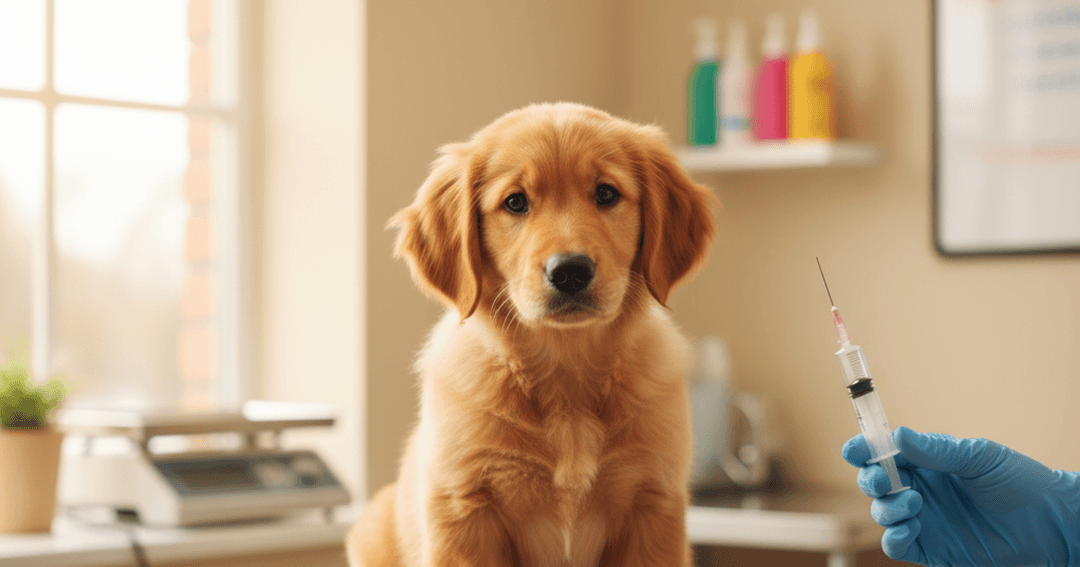
At a general practice vet, a single combo shot commonly runs in the $20 to $40 range, and rabies is often priced separately, sometimes lower, since some clinics and local health departments subsidize it to keep vaccination rates up. A full puppy series (three to four DHPP visits) typically adds up to somewhere between $75 and $200 in vaccine costs alone, not counting the exam fee charged at each visit.
Low-cost and nonprofit vaccine clinics, often run by humane societies or mobile vet services, can bring the per-shot price down significantly by skipping the full wellness exam. That's a legitimate way to cut cost on the vaccines themselves, but it's not a substitute for the physical exam your regular vet does at the same visit, which is where early health issues actually get caught.
What non-core vaccines add
Non-core vaccines are billed separately because they're not universal. Expect each one (Bordetella, leptospirosis, Lyme, canine influenza) to add roughly $20 to $40 per dose on top of the core series, depending on your region and whether your dog needs one dose or an initial two-dose series.
Bordetella is the one most owners run into first, since daycare, boarding, and group classes usually require proof of it. Leptospirosis and Lyme are regional. If your vet is recommending one you've never heard of, ask what specific exposure risk it's covering. That's a more useful question than just checking the price.
The line item people forget: the exam fee
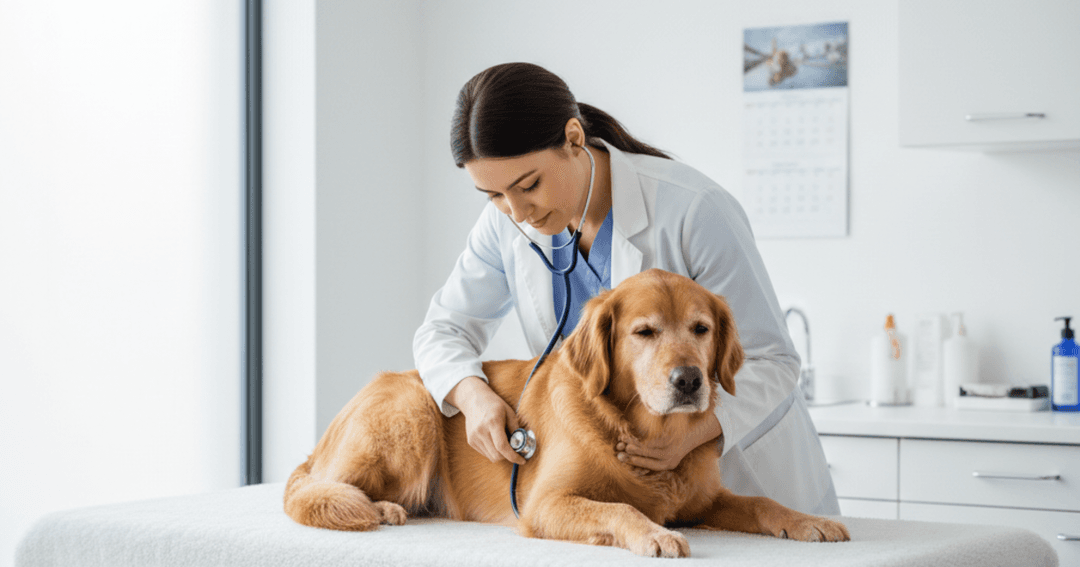
Vaccine cost breakdowns almost always leave out the wellness exam fee, which is charged at every visit regardless of how many shots are given, commonly in the $50 to $100 range. Over a four-visit puppy series, that's a meaningful chunk of the total, sometimes more than the vaccines themselves. It's not padding: it's the visit where your vet checks weight, heart, teeth, and development, and catches problems a vaccine schedule alone won't.
Estimated first-year vaccine cost by scenario
| Scenario | What's included | Rough total (vaccines + exams) |
|---|---|---|
| Core-only, full-service vet | DHPP series + rabies, 4 visits with exams | Higher end, typically several hundred dollars |
| Core + common non-core, full-service vet | Above, plus Bordetella and Lepto | Adds roughly $80–$150 on top |
| Core-only, low-cost clinic | DHPP series + rabies, minimal exam | Lower end, often half of full-service pricing |
| Adult dog, annual boosters only | Core booster (if due) + any recurring non-core | Well below puppy-year cost, since core vaccines aren't needed annually |
Exact numbers vary by region, clinic, and dog size, which is why a generic number is less useful than running your own scenario.
Common mistakes that inflate the bill
Paying for non-core vaccines with no matching exposure. If your dog never boards, never goes to daycare, and lives somewhere with low tick and lepto risk, some non-core shots may not be worth the annual cost. This is a conversation to have with your vet, not a decision to make alone, but it's worth asking rather than automatically saying yes to every recommended add-on.
Assuming low-cost clinics are lower quality. Many nonprofit and mobile vaccine clinics use the same vaccine brands as full-service practices. The savings usually come from skipping the exam and overhead, not from a lower-quality product.
Forgetting rabies re-vaccination timing. Rabies boosters are either 1-year or 3-year vaccines depending on what was given initially and your state's law. Missing the window can mean starting the legal clock over, sometimes with a cost penalty at boarding facilities or if a bite incident triggers a legal review.
Not comparing the puppy series to a wellness plan. Some clinics offer a bundled puppy wellness package that covers the full vaccine series plus exams for a flat rate. Pricing it against paying per visit can reveal real savings, or show that paying per visit is actually cheaper for your situation.
Skipping vaccines to save money, then paying more later. Treating a preventable disease like parvovirus, if it happens, routinely costs many times more than the vaccine series that would have prevented it, on top of the risk to the dog itself.
Recommended tools
- Vaccination Cost Calculator: get a first-year and annual estimate broken down by core vs. non-core vaccines, based on your dog's specific situation.
- Vaccination Schedule: see exactly which shots are due and when, so you know what you're pricing out.
- Vet Cost Estimator: estimate your dog's total annual vet spend beyond just vaccines.
- Pet Insurance Calculator: check whether a wellness add-on or insurance plan would offset routine vaccine costs.
- Adoption Cost Calculator: see how vaccine costs fit into the bigger first-year budget picture.
The bottom line
Vaccine cost isn't one number. It's core vaccines (predictable and non-negotiable), non-core vaccines (variable, based on your dog's actual exposure), and an exam fee that's easy to forget when you're mentally adding up "just the shots." Budgeting for the real total, rather than the number on the reminder postcard, avoids the sticker shock at the counter. Use the Vaccination Cost Calculator to see a first-year estimate that actually matches your dog's vaccine plan.
Frequently asked questions
PawCalculator Editorial
We combine veterinary references, published guidelines, and calculator-grade modeling. This article is for education, not a substitute for an exam.
+ Follow on PawTalk