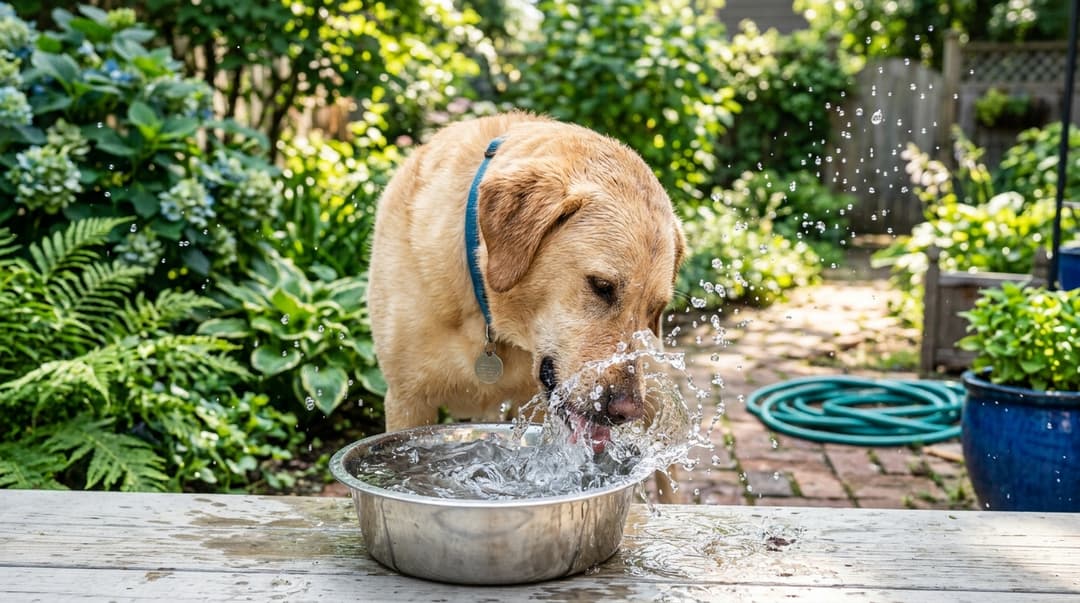
How Much Water Should a Dog Drink a Day?
Your inputs
Results update live as you type.
Dry kibble ~8–12%; wet food ~70–80%
Your results
Live — updates as you change inputs.
Daily water intake
907–1089 mL/day
Typical daily total
From food (est.)
30 mL
Expected bowl intake
877–1059 mL (3.7–4.4 cups)
Measure home water intake on 3–5 consecutive days when checking for polydipsia.
Educational only — sudden thirst changes need veterinary evaluation.
Veterinary reference only
Educational only. Sudden polydipsia needs veterinary evaluation.
Keep going with a related calculator.
How much water should a dog drink a day?
A healthy dog usually drinks about 50 to 60 mL of water per kg of body weight per day. That range shifts with diet, heat, activity, and whether the dog eats wet or dry food. A dog on a mostly wet diet gets water from its food and drinks less from the bowl. A dog on dry kibble, in a warm house, or after exercise may drink more.
To estimate your dog's daily need, convert body weight to kilograms (divide pounds by 2.2) and multiply by 50 to 60. The calculator above does this for you and adjusts the range for diet and heat.
Worked examples
Example 1: a 10 kg (22 lb) dog on dry food. 10 × 50 = 500 mL and 10 × 60 = 600 mL. A healthy adult in this group drinks roughly half a litre to 600 mL in a normal day. A hot afternoon or a long walk can push the total higher.
Example 2: a 30 kg (66 lb) dog. 30 × 50 = 1,500 mL and 30 × 60 = 1,800 mL. That is 1.5 to 1.8 litres. A bowl that empties in an afternoon is not automatically a problem, but a bowl that empties every few hours, every day, is worth measuring.
Example 3: a 4 kg (9 lb) puppy. 4 × 50 = 200 mL and 4 × 60 = 240 mL. Small dogs have small totals, so a few extra sips can represent a large change in percentage terms. Measuring the 24-hour total is more useful than eyeballing the bowl.
These are reference ranges for healthy dogs. A dog with an illness can need very different amounts, and a vet should guide any change.
When drinking more water is a warning sign
Excessive thirst, known as polydipsia, is commonly defined as drinking more than about 100 mL per kg per day. A dog who regularly exceeds that is worth a vet visit, because increased thirst is often an early sign of an underlying problem.
Common causes include:
- Kidney disease, where the kidneys cannot concentrate urine, so the dog loses more water and drinks more to compensate.
- Diabetes mellitus, where high blood sugar draws water into the urine.
- Cushing's disease, a hormone disorder that increases thirst and appetite.
- Liver disease, infection, and some medications, including certain steroids and diuretics.
Watch for these signs alongside a higher water intake:
- Urinating more often or in larger amounts, including accidents in a house-trained dog
- Weight loss despite a normal or increased appetite
- Lethargy, vomiting, or changes in appetite
- Bowl refills that seem to empty faster than usual, or a dog that follows you to the tap
A single hot day or a long run is not a concern on its own. A steady, unexplained rise over several days is the signal to call your vet.
How to measure your dog's intake at home
Measuring is more accurate than estimating. For a 24-hour check:
- Fill a measured container with fresh water and note the start time.
- Refill to the same mark every time for 24 hours. Include any water the dog drinks from a bucket, outdoor tap, or puddle you can control.
- Add up the total at the end of 24 hours, and compare it with the range from the calculator.
- Keep the bowl in the same place, and count every refill. Water from a fountain counts too if you can measure it.
Write down the total and the date, and bring the log to your vet if you see a rise. A measured total gives a vet more useful information than a guess. Repeat the check over two or three days if the first result is unusual, because one hot day can skew it.
Factors that change how much a dog drinks
- Diet: wet food adds moisture, so dogs on wet food usually drink less from the bowl. Switching food can change intake noticeably.
- Heat and humidity: warm weather raises water need, especially for dogs with thick coats or in hot cars and yards.
- Activity: exercise, running, and swimming raise water loss through breathing and panting.
- Age and size: puppies have high needs for their size, and seniors may drink less or more depending on health.
- Medication: some drugs raise thirst, which is why a vet should know about every medicine your dog takes.
- Salty food: scraps and salty snacks raise thirst after a meal.
Water safety and bowl tips
Keep fresh water available at all times, and clean the bowl daily to prevent bacteria. Bring water on walks, because dogs drink from puddles and streams that can carry parasites and bacteria. Do not give large amounts of very cold water straight after heavy exercise, and let a hot dog cool before offering a full bowl. Multiple bowls in different rooms help a dog who is on the move.
Water and heat
On hot days, dogs need more water and can overheat quickly. The Dog Heat Safety Calculator helps you plan for heat, and it is worth checking alongside this page on summer walks.
Related tools and guides
- Dog Food Calculator for portion planning
- Dog Protein Calculator
- Dog Calorie Calculator
- Dog Heat Safety Calculator
- Dog Weight Calculator
Questions about this calculator
A healthy dog typically drinks about 50 to 60 mL per kg of body weight per day. A 10 kg (22 lb) dog needs roughly 500 to 600 mL, and a 30 kg (66 lb) dog needs roughly 1.5 to 1.8 litres. Diet, heat and activity move the number up or down, so use the calculator for your dog's situation.
The math, openly documented.
Inputs
Enter the details that affect your estimate.
weight · age · breed
Normalize
Validate ranges and convert units when needed.
lbs ↔ kg
Calculate
Veterinary or industry-standard formulas applied.
result = f(inputs)
Results
Clear outputs with context and disclaimers.
display + notes
More from Nutrition
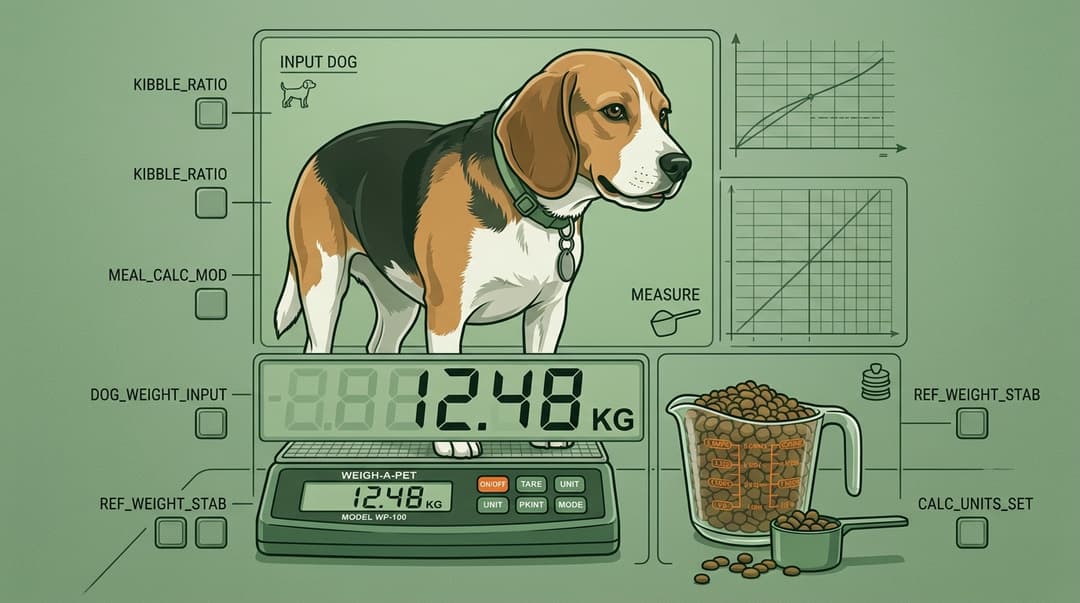
Is Your Dog at a Healthy Weight?
dog weight calculator: Find your dog's healthy weight range and body condition score — breed-adjusted, not a single gene
Open tool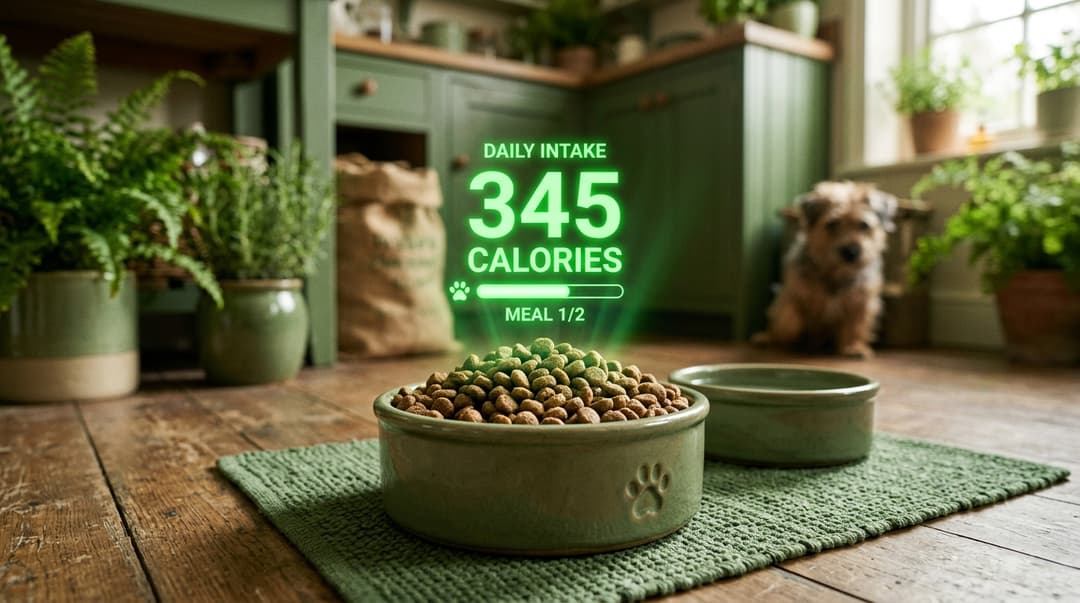
How Many Calories Does Your Dog Need Each Day?
Daily calorie targets by activity and life stage.
Open tool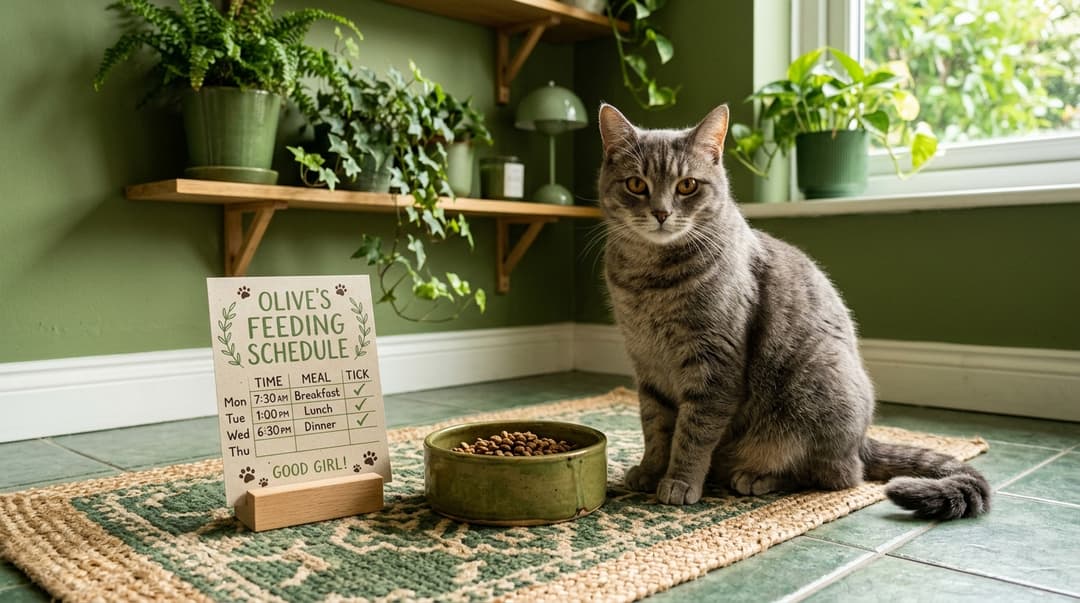
How Much Should You Feed Your Cat?
how much to feed a cat chart: A feeding chart broken out by weight, age, and food type (wet vs dry) — because the two ar
Open toolArticles from Insights
Got an edge case the calculator can't handle?
247 active threads about dog nutrition right now. Verified vets and experienced owners answer within hours.