How to Use the Dog Walking Calculator
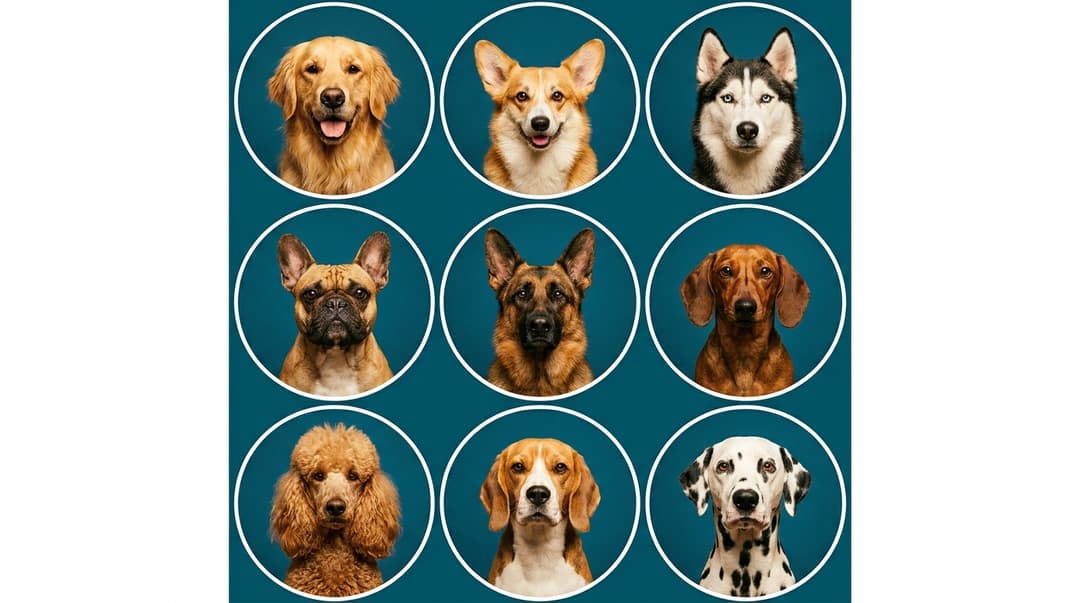
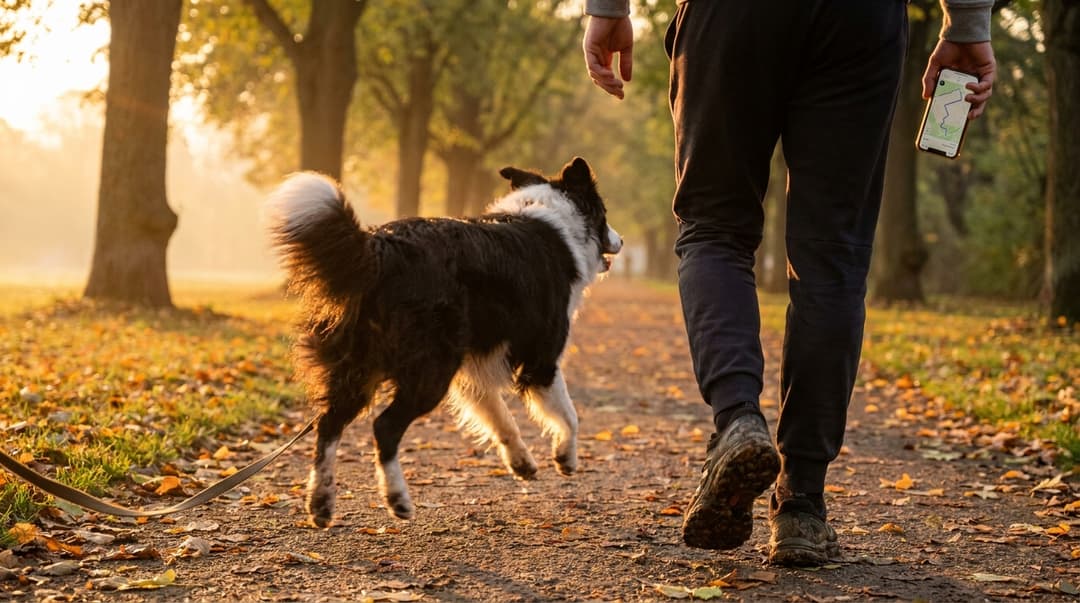
Step 1 — Select your dog's breed (optional but recommended). Breed is the single most important factor. A Border Collie needs 2+ hours daily; a Basset Hound is content with 30–45 minutes. For mixed breeds, select the dominant breed or leave blank.
Step 2 — Enter your dog's age in years. Puppies need short, frequent walks (5 minutes per month of age, twice daily). Adults need the most exercise. Seniors need maintained but shorter, more frequent sessions. Use decimals for young dogs (0.5 for 6 months).
Step 3 — Enter weight (optional). Weight helps for overweight dogs and heat tolerance — heavier dogs overheat faster.
Step 4 — Select health status. Hip dysplasia, heart disease, brachycephalic airway issues, or recent surgery have real limits. Discuss output with your vet if your dog has diagnosed conditions.
Step 5 — Select activity level, weather, and availability. The calculator balances what your dog needs against your schedule and conditions. Weather adjustments are critical for brachycephalic and heavy-coated breeds.
Step 6 — Click Generate Walking Schedule. Output shows minimum, recommended, and maximum daily exercise in minutes with time-of-day recommendations. Download the PDF to share with a dog walker or family member.
Understanding Your Results
Minimum vs recommended vs maximum. Minimum is the floor below which under-exercise shows as destructive behaviour or anxiety. Recommended is the target for a satisfied dog. Maximum is where overexertion risk begins.
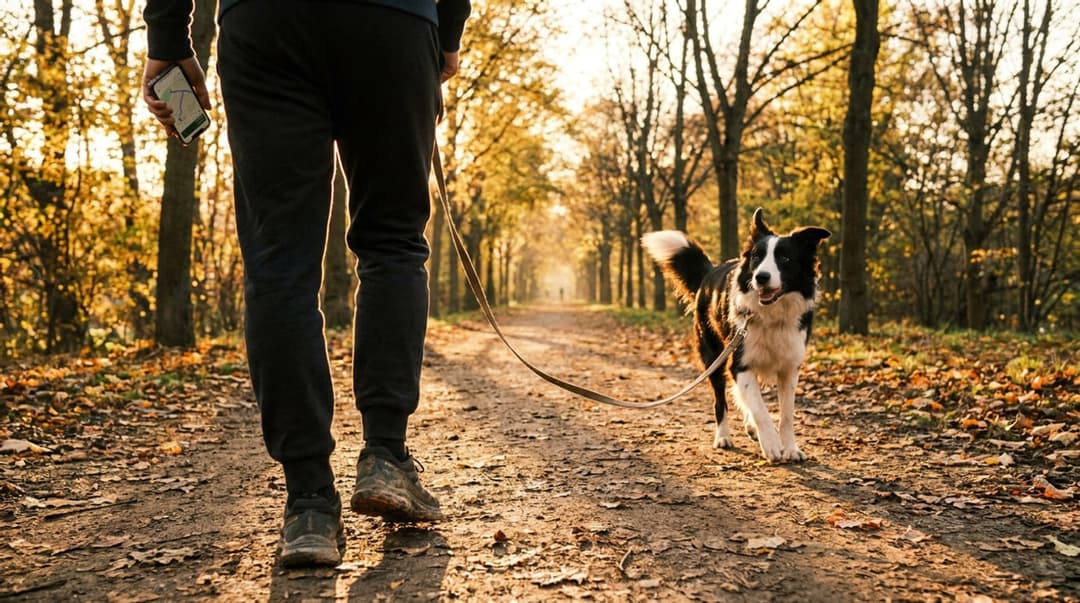
Why mental exercise matters. A 30-minute sniff walk exhausts more mentally than a brisk march with no stops. High-intelligence breeds need mental work alongside physical exercise.
The 5-minute rule for puppies. Growth plates are vulnerable until adolescence. Structured leash walking should follow 5 minutes per month of age, twice daily. Free play on varied terrain does not count against this limit.
Weather adjustment explained. Dogs cool only through panting. Brachycephalic breeds overheat quickly. Walk early or late in heat, check pavement temperature, and always carry water.
When to stop a walk early. Stop for excessive panting, stumbling, heavy drooling, vomiting, abnormal gum colour, or refusal to continue. Move to shade, offer water, and contact a vet if symptoms persist.
Walking Requirements by Breed Group and Age
Exercise Requirements by Breed Group — Adult Dogs
| Breed Group | Examples | Daily Minimum | Daily Recommended | Walk Sessions |
|---|---|---|---|---|
| Working / Herding | Border Collie, Aussie, GSD, Husky | 90 min | 120–180 min | 3–4 sessions |
| Sporting | Labrador, Golden, Springer Spaniel | 60 min | 90–120 min | 2–3 sessions |
| Terrier | Jack Russell, Airedale, Bull Terrier | 45 min | 60–90 min | 2–3 sessions |
| Hound | Beagle, Greyhound, Basset | 40 min | 60–80 min | 2 sessions |
| Toy | Chihuahua, Maltese, Pomeranian | 20 min | 30–45 min | 2 sessions |
| Brachycephalic | French Bulldog, Pug, Bulldog | 20 min | 30 min max | 2 short sessions |
| Giant breeds | Great Dane, Saint Bernard, Newfoundland | 30 min | 45–60 min | 2 sessions |
| Sighthound | Greyhound, Whippet, Saluki | 30 min off-lead sprint | 60 min total | 2 sessions + off-lead |
Exercise by Life Stage — Labrador as Example
| Life Stage | Age | Recommended Daily Exercise | Notes |
|---|---|---|---|
| Young puppy | 8–16 weeks | 10–20 min (free play) | No forced lead walking |
| Puppy | 4 months | 20 min × 2 structured | 5-min rule applies |
| Puppy | 6 months | 30 min × 2 structured | Growth plates still open |
| Adolescent | 9–12 months | 40 min × 2 | Add mental exercise |
| Adult prime | 2–7 years | 60–90 min total | Full exercise appropriate |
| Early senior | 8–9 years | 45–60 min total | Shorter more frequent |
| Senior | 10+ years | 30–45 min total | Gentle, sniff-focused |
Walk Duration Adjustments for Weather
| Temperature | Adjustment | Brachycephalic Breeds | Notes |
|---|---|---|---|
| Below 0°C | Reduce 30%, watch for ice | Reduce 50% | Check paw pads for cracking |
| 0–10°C | Full duration fine | Reduce 20% | Consider coat for short-haired breeds |
| 10–20°C | Ideal conditions | Full duration | Best weather for all breeds |
| 20–25°C | Reduce 20%, take water | Reduce 50% | Avoid midday sun |
| 25–30°C | Reduce 40%, early/late only | Avoid outdoor exercise | Heatstroke risk increases sharply |
| 30°C+ | Minimal essential toilet walks only | No outdoor exercise | Pavement check mandatory |
Specific Breed Daily Walking Requirements
| Breed | Min Daily (min) | Recommended (min) | Sessions | Special Notes |
|---|---|---|---|---|
| Border Collie | 90 | 120–180 | 3–4 | Must include mental work or becomes destructive |
| Siberian Husky | 90 | 120–150 | 2–3 | Never off-lead in unsecured area |
| German Shepherd | 60 | 90–120 | 2–3 | Needs both physical and mental exercise |
| Labrador Retriever | 60 | 80–100 | 2–3 | Weight management critical |
| Golden Retriever | 60 | 80–100 | 2–3 | Excellent off-lead if recall trained |
| Beagle | 40 | 60–80 | 2 | Must be on lead — scent drive overrides recall |
| French Bulldog | 20 | 25–30 | 2 | Never in heat above 22°C, monitor breathing |
| Chihuahua | 20 | 30 | 2 | Protect from cold, booties in winter |
| Dachshund | 30 | 45 | 2 | No jumping or stairs — spinal risk |
| Great Dane | 30 | 45–60 | 2 | No vigorous exercise after meals — bloat risk |
| Jack Russell Terrier | 45 | 60–90 | 2–3 | High energy relative to size |
| Greyhound | 20 min lead + sprint | 60 total | 2 + off-lead | Short intense off-lead bursts |
Questions about this calculator
Working breeds need 90–180 min; sporting breeds 60–100 min; toy breeds 20–45 min. Brachycephalic breeds cap at ~30 min in mild weather. Use the calculator for a breed-specific schedule.