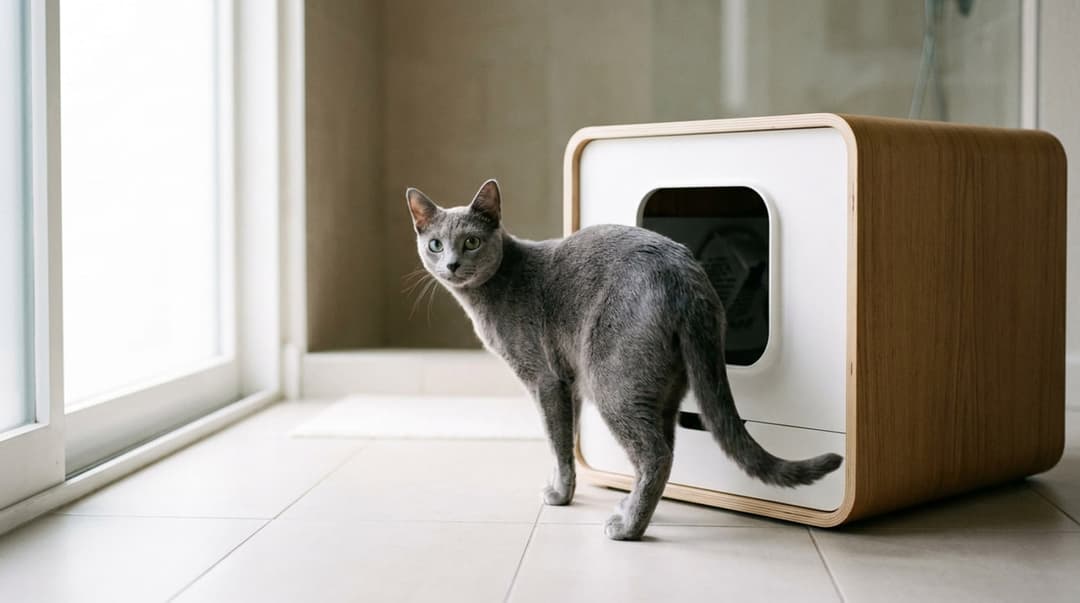
Litter Box Calculator
Cleaning schedules for single- and multi-cat homes.
The N+1 Rule for Box Count
Provide one litter box per cat plus one extra, placed in separate locations. This prevents territorial blocking and is the standard veterinary recommendation for multi-cat homes.
Litter Type Comparison
Key Maintenance Tips
- • Scoop at least once daily — twice for multi-cat homes
- • Keep litter depth at 3–4 inches for clumping types
- • Wash boxes with unscented soap at every full change
- • Spread boxes across rooms — two side by side count as one location
- • Replace plastic boxes annually; scratches harbour bacteria
How to Use the Litter Box Calculator
Step 1 — Set the number of cats. The number of cats is the most important input. The universal veterinary guideline is one litter box per cat plus one extra — a household with three cats needs four boxes minimum. This is not optional for multi-cat homes: litter box competition is the leading cause of inappropriate elimination (cats urinating or defecating outside the box), which is one of the top reasons cats are surrendered to shelters. The calculator uses your cat count to determine the minimum box count and cleaning frequency required.
Step 2 — Enter each cat's age. Age affects how frequently cats use the litter box and what changes in elimination habits mean. Kittens under 6 months use the box more frequently — up to 6 times daily — and need more frequent scooping. Senior cats over 10 years may develop kidney disease or hyperthyroidism, both of which dramatically increase urination frequency and urine volume. A senior cat's litter box habits are a health monitoring tool — changes in frequency, volume, or consistency are often the first observable sign of disease.
Step 3 — Select litter type. Litter type determines cleaning frequency more than almost any other factor. Clumping clay litter isolates waste in solid clumps that can be removed daily, keeping the rest of the litter clean — this is why it requires less frequent full litter changes. Non-clumping clay absorbs moisture but does not isolate it, meaning the entire box becomes contaminated faster. Crystal silica litter absorbs and dehydrates waste with excellent odour control but needs monitoring for saturation. Natural litters (wood pellets, corn, wheat) vary widely — some clump, some do not.
Step 4 — Select litter box type. Open boxes are most accepted by cats and easiest to clean but offer less odour containment. Covered boxes contain odour better for humans but trap it inside for cats — many cats find covered boxes aversive, especially if not cleaned frequently enough. Self-cleaning automatic boxes reduce daily scooping effort but require daily inspection to confirm function and are not suitable for all cats, particularly seniors with mobility issues or kittens under 6 months.
Step 5 — Enter household size and cleaning preference. Household size affects how quickly litter odour becomes noticeable to humans — a studio apartment registers odour differently than a 4-bedroom house. Cleaning preference calibrates the schedule to your standards: Minimal produces the minimum schedule to keep cats using the boxes, Meticulous produces a schedule for zero odour and maximum cat satisfaction.
Step 6 — Click Generate Cleaning Schedule. Your output shows daily scooping frequency, full litter change schedule, deep clean frequency, and recommended litter depth for your specific setup.
Understanding Your Results
Why cats stop using the litter box — and how cleaning frequency prevents it. Cats are fastidiously clean animals with a significantly stronger sense of smell than humans. A litter box that smells acceptable to a human may be aversive to a cat. The most common reason cats eliminate outside the box is not behavioural — it is that the box is not clean enough by the cat's standards. Studies of feline elimination behaviour consistently show that cats prefer a clean box over a soiled one so strongly that they will seek alternatives when the box does not meet their cleanliness threshold. Scooping daily is not a recommendation — it is the minimum.
The N+1 rule explained. One litter box per cat plus one is not about giving each cat their own box — it is about preventing resource guarding. In multi-cat households, a dominant cat may block access to litter boxes, forcing subordinate cats to eliminate elsewhere or hold waste uncomfortably. Having more boxes than cats in multiple locations makes complete blocking impossible. Spread boxes across different rooms and floors — two boxes side by side in the same room count as one location from a territorial perspective.
Litter depth and why it matters. The correct litter depth is 3–4 inches (7–10cm) for clumping litters. Too shallow and clumps reach the bottom of the box, sticking and making cleaning harder. Too deep and some cats — particularly older ones — find digging uncomfortable and avoid the box. For non-clumping and crystal litters, depth guidelines vary by product. Check manufacturer recommendations, then adjust based on your cat's digging behaviour.
Full litter change vs daily scooping — what each achieves. Daily scooping removes solid waste and clumps but leaves fine litter particles contaminated with urine residue over time. Even with perfect daily scooping, clumping litter accumulates dust, bacteria, and odour-causing compounds that scooping cannot remove. Full litter changes replace all litter and reset bacterial load. The frequency of full changes depends on litter type, number of cats, and box coverage — the calculator balances these to give you both a scooping and full-change schedule.
When litter box changes signal health problems. Track your cat's elimination patterns. Increased frequency — visiting the box more than 4–5 times daily — suggests urinary tract infection, bladder stones, or in older cats, hyperthyroidism or kidney disease. Straining without producing urine is a medical emergency — urinary blockage, which is life-threatening, can develop within hours in male cats. Blood in urine, crying while using the box, or sudden avoidance of the box all warrant same-day vet contact. The litter box is the most accessible health monitoring tool available for cat owners.
Litter Box Reference Tables
Recommended Box Count and Scooping Frequency by Cat Number
| Cats | Minimum Boxes | Recommended Boxes | Scooping | Full Litter Change |
|---|---|---|---|---|
| 1 cat | 2 | 2 | Once daily | Every 2–4 weeks |
| 2 cats | 3 | 3–4 | Twice daily | Every 1–2 weeks |
| 3 cats | 4 | 4–5 | 2–3x daily | Weekly |
| 4 cats | 5 | 5–6 | 3x daily | Every 5–7 days |
| 5 cats | 6 | 7–8 | 3–4x daily | Every 3–5 days |
Litter Type Comparison — Maintenance, Odour, and Cost
| Litter Type | Clumping | Odour | Scooping | Full Change | Annual Cost (1 cat) | Best For |
|---|---|---|---|---|---|---|
| Clumping clay | Yes | Good | Daily | Every 3–4 weeks | $120–$240 | Most owners — easy daily maintenance |
| Non-clumping clay | No | Moderate | Daily | Every 1–2 weeks | $80–$160 | Budget — more frequent changes |
| Crystal/silica | Partial | Excellent | Every 2–3 days | Monthly | $180–$360 | Odour sensitivity |
| Wood pellets (natural) | Some types | Good | Daily | Every 1–2 weeks | $80–$200 | Eco-conscious, low-dust |
| Corn/wheat (natural) | Yes | Good | Daily | Every 2–3 weeks | $150–$280 | Flushable waste options |
| Paper pellets | No | Moderate | Daily | Every 5–7 days | $100–$200 | Post-surgery, kittens, sensitivity |
Box Type — Pros, Cons, and Who It Suits
| Box Type | Odour Containment | Cat Acceptance | Ease of Cleaning | Recommended For |
|---|---|---|---|---|
| Open box | Low | Highest — most cats prefer | Easiest | Most cats, multi-cat homes, seniors |
| Covered box | High for humans | Variable — many cats dislike | Moderate | Single-cat homes, odour priority |
| Top-entry box | High | Moderate | Easy | Dog-access prevention, privacy-preferring cats |
| Automatic/self-cleaning | Very high | Variable | Minimal daily effort | Busy owners, 1–2 cats |
| Corner box | Moderate | Good | Moderate | Small spaces, one or two cats |
Deep Clean Schedule — What It Involves
| Clean Type | Frequency | What to Do |
|---|---|---|
| Daily scoop | Daily minimum | Remove clumps and solid waste. Smooth surface. Top up to 3–4 inches if needed. |
| Weekly check | Weekly | Check litter depth, inspect for cracks or odour at cat level. |
| Full litter change | Per schedule | Discard all litter. Wash with warm water and unscented soap — never bleach or ammonia. Dry before refilling. |
| Monthly deep clean | Monthly | Scrub staining with baking soda paste. Inspect for scratches harbouring bacteria. |
| Box replacement | Annually | Replace plastic boxes yearly. Stainless steel lasts longer. |
Monthly Litter Cost — Single vs Multi-Cat Households
| Household | Clumping Clay | Crystal Silica | Natural (Wood/Corn) |
|---|---|---|---|
| 1 cat, 2 boxes | $10–$20/month | $15–$30/month | $10–$25/month |
| 2 cats, 3 boxes | $20–$40/month | $30–$60/month | $20–$45/month |
| 3 cats, 4 boxes | $30–$60/month | $45–$90/month | $30–$65/month |
| 4 cats, 5 boxes | $40–$80/month | $60–$120/month | $40–$85/month |
Questions about this calculator
Scoop daily — twice for multi-cat homes. Full litter change every 2–4 weeks for clumping clay with daily scooping. Wash the box with unscented soap at every full change.
The math, openly documented.
Inputs
You enter the facts that change the estimate.
species · age · weight · lifestyle
Normalize
We validate ranges and convert units when needed.
lbs ↔ kg · months ↔ years
Formula
Published veterinary or industry-standard calculations.
result = f(valid inputs)
Results
Rounded outputs — schedules, ranges, or targets — with disclaimers.
display + notes
More from Lifestyle & care

Dog Walking Calculator
Distance and schedules by breed and age.
Open tool
Pet Travel Estimator
Costs and logistics for trips with pets.
Open tool
Adoption Cost Calculator
First-year budgets — supplies, vet, food.
Open toolArticles from Insights



Got an edge case the calculator can't handle?
247 active threads about cat care and litter box management. Verified vets and experienced owners answer within hours.