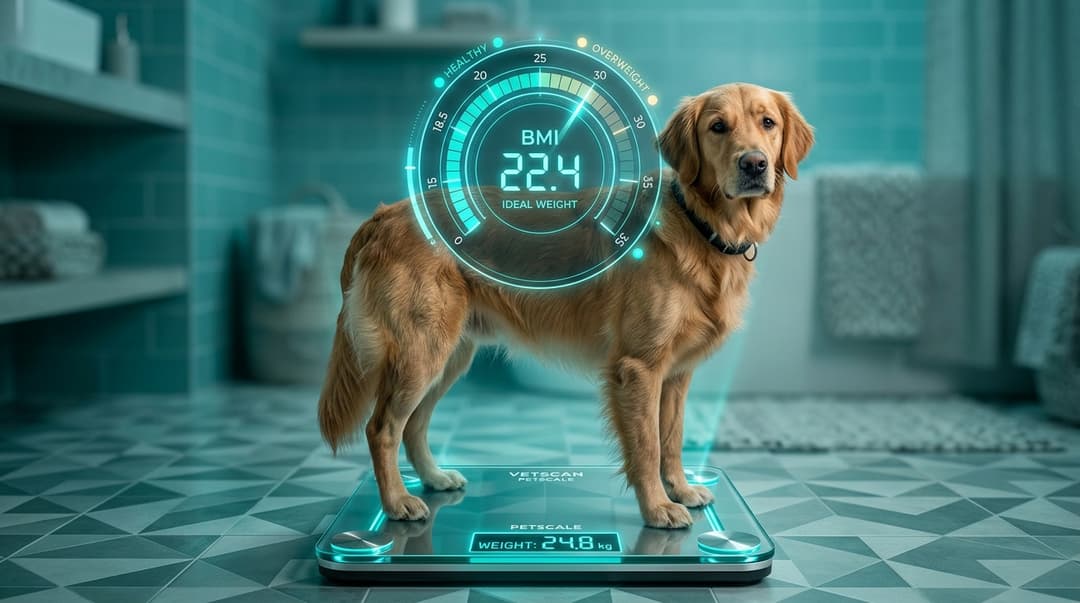
Estimating Your Dog's Body Condition
Your inputs
Results update live as you type.
Your results
Fill in the form to see your estimate.
Ready when you are
Fill in the form to see your reference estimate
Keep going with a related calculator.
Estimating Your Dog's Body Condition
Like cats, dogs don't have a validated BMI formula the way humans do — frame size varies too dramatically across (and even within) breeds for a single height/weight ratio to mean much. What "dog BMI calculator" searches are usually really asking for is body condition scoring: a 9-point scale assessing rib palpability, waist tuck, and abdominal profile, cross-referenced against breed-typical weight ranges. This tool estimates a body condition score from your inputs and pairs it with the breed-adjusted weight range from our Dog Weight Calculator for a fuller picture than weight alone provides.
How to use this calculator
Enter your dog's weight and breed (if known), then answer three physical checks: how easily you can feel the ribs, whether a waist is visible from above, and whether there's an abdominal tuck from the side. Together these produce a body condition score rather than a single misleading weight-only number.
The 9-point body condition scale
| Score | What it looks like |
|---|---|
| 1–3 | Ribs, spine, and hip bones visible with no fat cover — underweight |
| 4–5 | Ribs easily felt with slight fat covering, visible waist, visible tuck — ideal |
| 6–7 | Ribs felt only with pressure, waist barely visible, tuck minimal — overweight |
| 8–9 | Ribs difficult to feel under fat, no waist, no tuck, fat deposits on chest/spine — obese |
Weight-loss targets by starting BCS
| Current BCS | General target | Approach |
|---|---|---|
| 6/9 | 5–10% weight loss | Modest calorie reduction (~10%), reassess in 4–6 weeks |
| 7/9 | 10–15% weight loss | 15–20% calorie reduction, monthly weigh-ins |
| 8–9/9 | 15–25%+ weight loss | Vet-supervised plan, since larger reductions carry more risk if unmanaged |
Understanding your results
Your score comes from combining the three physical checks, not from weight alone — a large-framed dog and a small-framed dog of the same breed can have very different "normal" weights, but body condition scoring cuts through that by measuring actual fat coverage directly. If your result lands at 6 or above, the highest-leverage next step is usually a measured feeding plan (see the Dog Food Calculator) rather than guesswork, since consistent gradual calorie reduction is safer and more effective than an ad-hoc cut in portions.
Why a single score can undersell the picture. Two dogs can both score a 6 for different reasons — one carrying even excess fat overall, another with a distinct fat pad concentrated at the tail base or chest. Vets often note where the excess sits, not just the number, since it can hint at whether the cause is diet, activity, or in some cases a metabolic issue like hypothyroidism worth ruling out.
Reassess on a schedule, not just when you're worried. Body condition can drift slowly enough that month-to-month change is hard to notice by eye — checking every 2–3 months (monthly during an active weight-loss plan) catches the trend early, before a 6 becomes an 8.
Doing the physical checks with confidence
Each of the three checks that make up a body condition score has a specific technique, and doing them correctly the first few times builds the confidence to repeat them reliably at home going forward. For rib palpability, run flat fingers along the ribcage with light, even pressure — you're checking whether ribs are easily felt under a thin layer of fat, not pressing hard enough to feel them through visible padding, since firm pressure can make an overweight dog's ribs feel more palpable than a light touch would reveal. For the waist check, view your dog from directly above while they're standing normally, looking for a visible inward curve behind the ribcage before the hips — a dog viewed at an angle, mid-stride, or while sitting can look different than their true standing silhouette. For the abdominal tuck, check from the side at your dog's eye level rather than looking down at an angle, watching for the belly line to angle upward from ribcage to hips — a level or sagging belly line, not a curved one, is the sign of insufficient tuck, and this varies naturally by breed build (a deep-chested sighthound looks different from a barrel-chested bulldog even at the same healthy score).
Connecting a BCS result to next steps
A body condition score is most valuable when it changes what you actually do, not just what you know. A score in the ideal 4-5 range with a weight that's also within your dog's breed-adjusted range (check the Dog Weight Calculator for that specific figure) is a green light to maintain current feeding and activity levels without adjustment. A score of 6 or above, especially if trending upward over a couple of checks, is the point to proactively use the Dog Calorie Calculator or Dog Food Calculator to set a specific, measured feeding target rather than the vaguer "feed a little less" approach that often fails to produce consistent results. A score of 3 or below, particularly if it represents a recent change rather than your dog's long-standing baseline, deserves a vet visit rather than simply feeding more — unexplained weight loss can be an early signal of an underlying health issue that's worth ruling out before assuming it's purely a nutritional gap.
When to consult a professional
For health, dosage, or nutrition decisions, always confirm calculator output with your veterinarian. This tool provides reference estimates, not medical advice.
Questions about this calculator
No standardized one — unlike humans, dog frame size varies too much across breeds (and even within a breed) for a height/weight ratio alone to be meaningful; body condition scoring is the veterinary standard instead.
The math, openly documented.
Inputs
Enter the details that affect your estimate.
weight · age · breed
Normalize
Validate ranges and convert units when needed.
lbs ↔ kg
Calculate
Veterinary or industry-standard formulas applied.
result = f(inputs)
Results
Clear outputs with context and disclaimers.
display + notes
More from Health
Is Your Cat Overweight? Here's the Real Way to Check
cat bmi calculator: Cats don't have a true BMI formula like humans — here's the body condition method vets actually use,
Open tool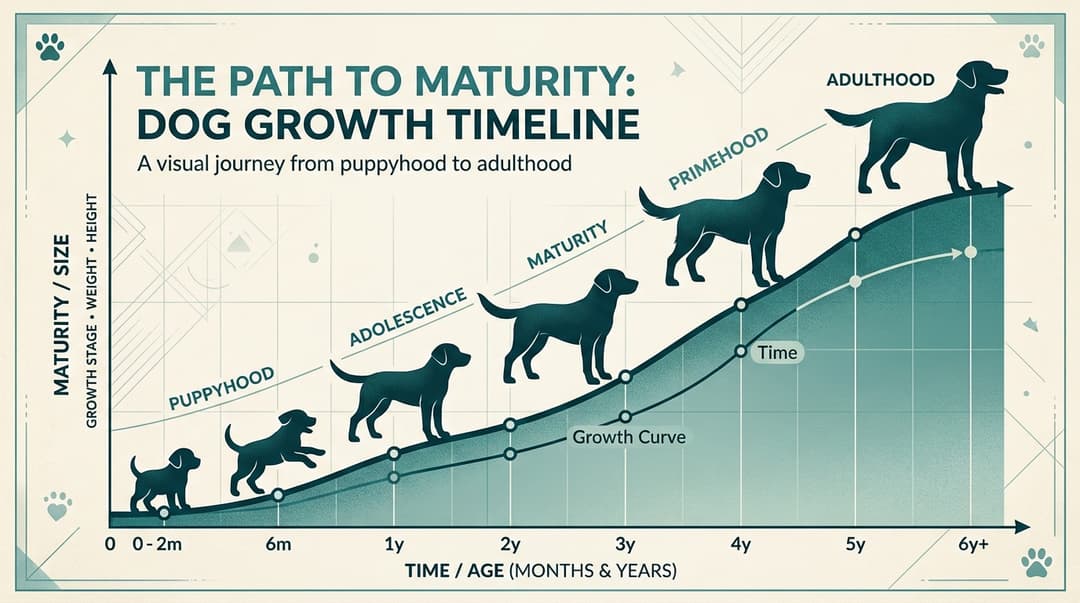
Is Your Puppy Growing on Track?
dog growth calculator: Plot your puppy's weight against expected breed-size growth curves to spot whether growth is trac
Open tool
When Will Your Cat Have Her Kittens?
cat pregnancy calculator: Estimate your cat's kittening date and track gestation week by week — cat pregnancies run shor
Open toolArticles from Insights



Got an edge case the calculator can't handle?
247 active threads about dog nutrition right now. Verified vets and experienced owners answer within hours.