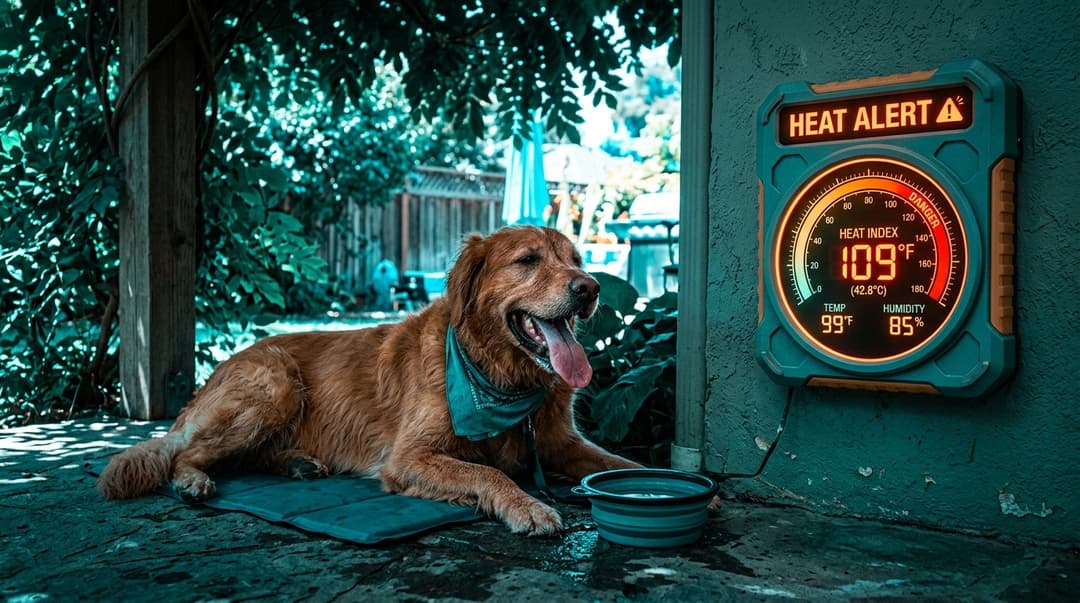
Is It Too Hot to Walk Your Dog Right Now?
Your inputs
Results update live as you type.
Your results
Live — updates as you change inputs.
Heat & pavement safety
135°F
Est. surface temp
Risk level
Dangerous — paw burn risk
Guidance
Do not walk on this surface. Use grass or wait for cooler temps.
Veterinary reference only
General safety note, not medical advice.
Keep going with a related calculator.
Is It Too Hot to Walk Your Dog Right Now?
Pavement temperature can run 40-60°F hotter than the surrounding air temperature on a sunny day, meaning a comfortable-feeling 85°F afternoon can mean asphalt well over 125°F — hot enough to burn paw pads within about a minute of contact. The commonly cited "5-second rule" (if you can't hold the back of your hand on the pavement comfortably for 5 seconds, it's too hot for paws) is a reasonable field test, but this tool factors in air temperature, sun exposure, and surface type together to flag risk before you head out, plus separate heatstroke risk guidance for breeds with reduced heat tolerance (brachycephalic and heavy-coated breeds).
How to use this calculator
Enter the current air temperature, sun exposure, surface type (asphalt heats fastest, grass slowest), and your dog's heat tolerance category. The calculator combines these into a paw-burn and heatstroke risk read rather than judging air temperature alone.
Surface temperature reference (approximate, direct sun)
| Air temperature | Asphalt surface | Concrete surface |
|---|---|---|
| 77°F (25°C) | ~125°F | ~110°F |
| 86°F (30°C) | ~135°F | ~120°F |
| 95°F (35°C) | ~150°F | ~130°F |
For reference, eggs begin to fry around 130°F, and prolonged paw pad contact above ~125°F risks burns within about a minute.
Understanding your results
A "high risk" result usually comes from one of two independent factors: surface temperature (a paw-pad burn risk that grass or shade largely resolves by rerouting your walk) or overall heat load on a heat-sensitive breed (a heatstroke risk that rerouting doesn't fix — brachycephalic and heavy-coated dogs need reduced exertion and timing changes, not just a cooler path). If your result flags surface risk specifically, try the 5-second hand test on the actual surface before heading out — the calculator's estimate is a guide, but a direct check on the day takes local shade, cloud cover, and surface material into account better than any formula.
Building a hot-weather routine instead of a daily judgment call
Rather than reassessing from scratch every single day, it's worth establishing a default hot-weather routine for the months when heat risk is a regular concern, then adjusting from there. Shifting regular walk times earlier and later in the day as a standing summer habit — rather than deciding morning-of each time — removes a lot of the guesswork, since early morning and evening reliably run cooler than midday even before checking a specific forecast. Keeping a portable water source on any walk during warm months, checking surface temperature with the hand test as a matter of routine rather than only when it "feels hot," and having a shaded rest stop planned into longer routes are all habits that cost little on cooler days but meaningfully reduce risk on the days that turn out hotter than expected. For heat-sensitive breeds specifically, some owners shift to primarily indoor exercise and mental stimulation (puzzle feeders, training, short controlled yard time) through the hottest stretch of summer rather than trying to find a "safe enough" outdoor window every day.
What to do if you suspect heatstroke has already started
Early recognition changes outcomes significantly with heatstroke, so it's worth knowing the escalation path before you need it rather than figuring it out in the moment. If a dog shows excessive panting that doesn't settle with rest and shade, wobbliness, vomiting, or gum color that looks unusually pale, bright red, or blue-tinged, treat it as an emergency: move to shade or air conditioning immediately, offer small amounts of cool (not ice-cold) water if the dog is alert and willing to drink, and apply cool (not cold) water to the belly, paws, and ears while transporting to an emergency vet — ice water and ice packs directly on the skin can be counterproductive by constricting blood vessels near the surface and trapping heat rather than releasing it. Do not wait to see if symptoms resolve on their own before seeking care; heatstroke can progress from early warning signs to organ damage within a short window, and the margin for "waiting to see" is much narrower than it feels in the moment.
When to consult a professional
For health, dosage, or nutrition decisions, always confirm calculator output with your veterinarian. This tool provides reference estimates, not medical advice.
Questions about this calculator
Dark, dense surfaces like asphalt absorb and radiate solar heat far more than air does, which is why surface temperature can run 40-60°F above ambient air temperature in direct sun.
The math, openly documented.
Inputs
Enter the details that affect your estimate.
weight · age · breed
Normalize
Validate ranges and convert units when needed.
lbs ↔ kg
Calculate
Veterinary or industry-standard formulas applied.
result = f(inputs)
Results
Clear outputs with context and disclaimers.
display + notes
More from Health
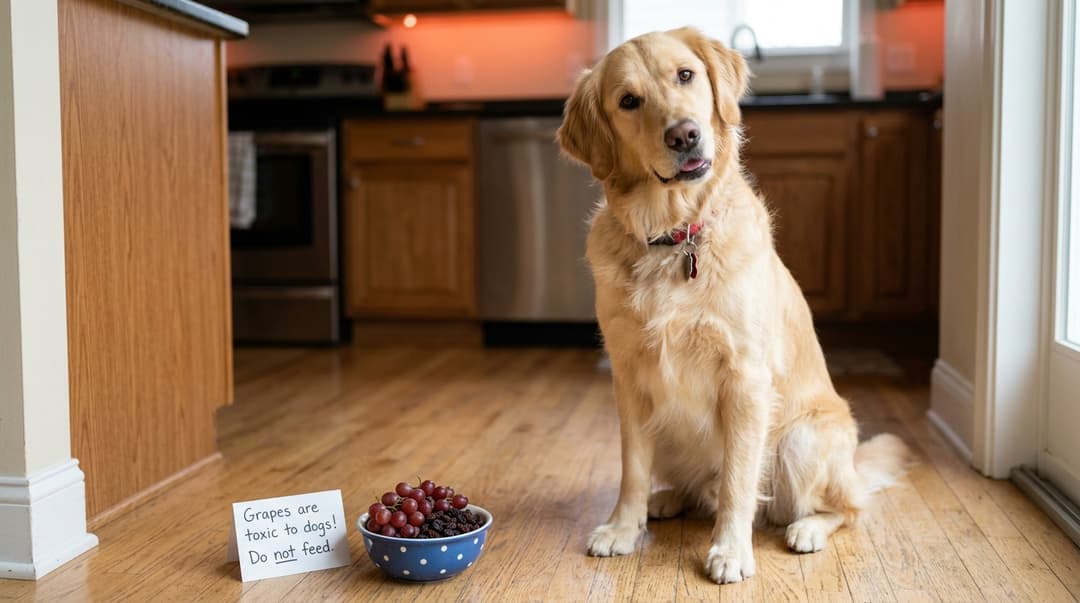
Grape & Raisin Toxicity Calculator for Dogs
how many grapes are toxic to dogs: How many grapes or raisins are toxic to your dog? Enter weight and the amount eaten t
Open tool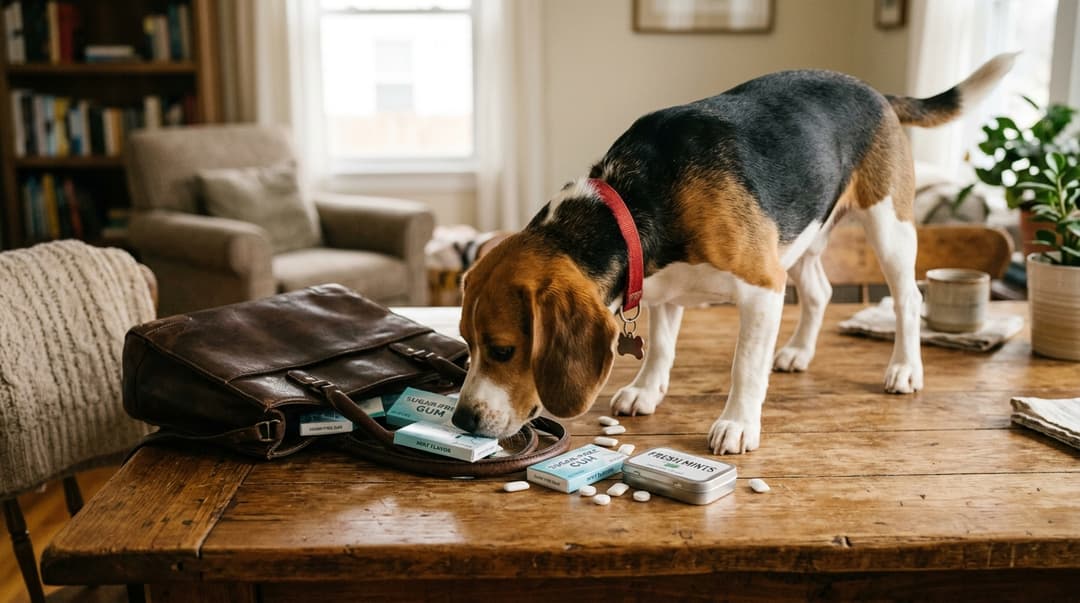
Xylitol Toxicity Calculator for Dogs
Xylitol poisoning in dogs? Enter weight and the gum, mint or peanut butter amount eaten to see the risk band. Call a vet
Open tool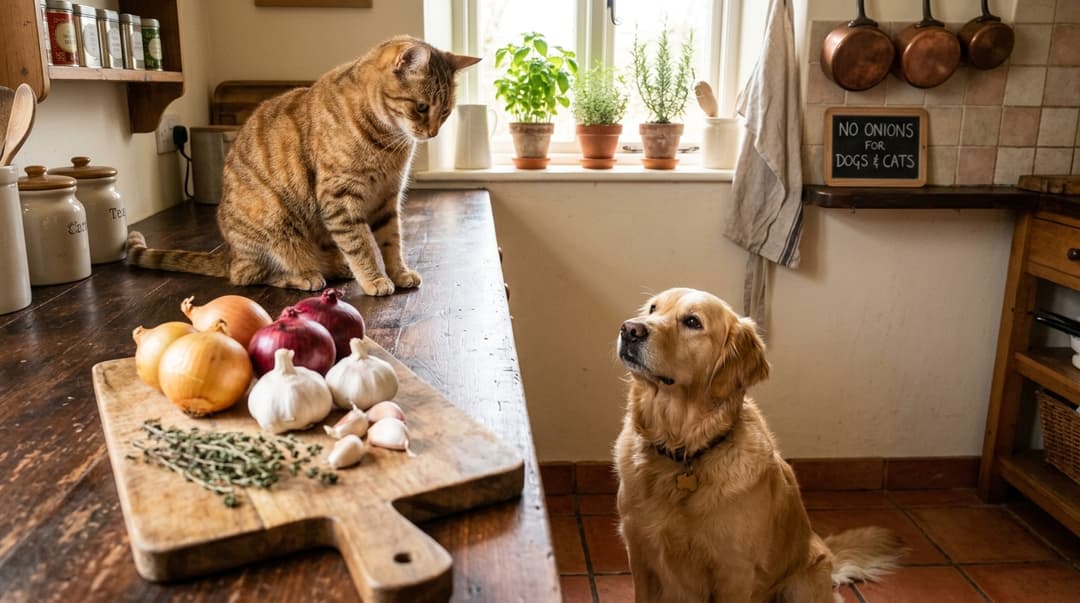
Onion & Garlic Toxicity Calculator
how much onion powder is toxic to dogs: How much onion powder, onion or garlic is toxic to your dog or cat? Enter weight
Open toolArticles from Insights


Got an edge case the calculator can't handle?
247 active threads about dog nutrition right now. Verified vets and experienced owners answer within hours.