Dog obesity is becoming a serious problem, and many pet owners don’t even realize their dog is overweight. Extra weight can lead to joint issues, heart problems, and a shorter lifespan.
If your dog is gaining weight, the solution is not just feeding less randomly. The key is to calculate the right calorie intake for safe and effective weight loss.
This guide explains how to calculate dog calories for weight loss, create a proper plan, and avoid common mistakes.
Why Weight Loss in Dogs Matters
An overweight dog is at risk of several health problems, including:
- Joint pain and arthritis
- Heart disease
- Diabetes
- Low energy levels
- Reduced lifespan
Even a small amount of weight loss can significantly improve your dog’s health.
Step 1: Identify If Your Dog Is Overweight
Before starting a weight loss plan, you need to confirm if your dog is overweight.
Signs include:
- No visible waistline
- Difficulty feeling ribs
- Low activity levels
- Heavy breathing after light exercise
If you notice these signs, the Is My Dog Overweight? Calculator gives a faster, more structured check than eyeballing it — then it's time to adjust calorie intake.
Step 2: Calculate Maintenance Calories
First, you need to estimate how many calories your dog currently needs to maintain its weight.
A simple method is:
- Multiply body weight (kg) by 30
- Add 70 to the result
This gives an approximate daily calorie requirement for maintenance.
Step 3: Create a Calorie Deficit
For weight loss, you need to reduce calorie intake.
A safe approach is:
- Reduce daily calories by 15–25%
- This allows gradual and healthy weight loss without harming your dog.
- Avoid extreme calorie cuts, as they can lead to weakness and nutrient deficiencies.
Rather than working that deficit out by hand each time, the Dog Feeding Calculator — Weight Loss Mode applies a conservative, built-in calorie deficit to your dog's numbers automatically, since crash dieting a dog carries its own risks.
Step 4: Use a Dog Calorie Calculator
Manual calculations are helpful, but for better accuracy, use the dog nutrition calculator.
This tool helps you:
- Set weight loss goals
- Calculate exact calorie intake
- Adjust food portions correctly
Step 5: Adjust Food Portions
Once you know the target calories, adjust your dog’s meals accordingly.
Tips:
- Measure food using a scale or measuring cup
- Split meals into 2 servings per day
- Avoid free feeding
Consistency is key for results.
Step 6: Choose the Right Diet
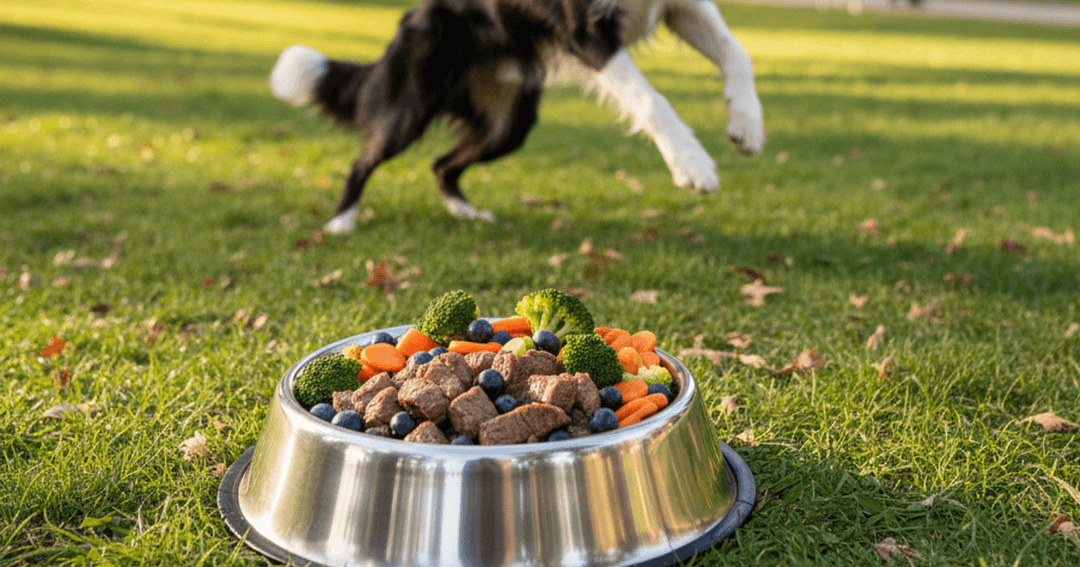
Diet quality plays a major role in weight loss.
High-Protein Diet
Helps maintain muscle while losing fat.
Low-Fat Diet
Reduces calorie intake.
High-Fiber Food
Helps your dog feel full for longer.
Avoid feeding table scraps and high-calorie treats.
Step 7: Increase Physical Activity
Weight loss is not only about food. Exercise is equally important.
Recommended activities:
- Daily walks
- Play sessions
- Light running or fetch
Start slowly and increase activity gradually.
Step 8: Monitor Progress
Track your dog’s weight regularly.
Healthy weight loss rate:
- 1–2% of body weight per week
If weight loss is too fast or too slow, adjust calorie intake slightly.
Common Mistakes to Avoid
Many dog owners make mistakes during weight loss:
- Cutting calories too much
- Not measuring food properly
- Giving too many treats
- Ignoring exercise
- Expecting quick results
Weight loss takes time and consistency.
Special Considerations
Senior Dogs
May need a slower weight loss plan due to lower activity.
Small Breeds
Require careful calorie control.
Medical Conditions
Always consult a vet if your dog has health issues.
Signs Your Dog Is Losing Weight Safely
- Gradual weight reduction
- Improved energy levels
- Visible waistline returning
- Better mobility
Pro Tip
Even small extra treats can ruin a calorie deficit. Always include treats in total daily calorie intake.
Bottom Line
Helping your dog lose weight is one of the best things you can do for its health. The key is not starving your dog but managing calories properly.
Use the dog feeding calculator to get accurate results. With the right plan, your dog can return to a healthy weight safely.