How to Use the Pet Weight Tracker
Step 1 — Select pet type: Dog or Cat. Dogs and cats have different healthy weight ranges, body condition scoring standards, and weight loss rate guidelines. A 5kg dog is underweight for most breeds; a 5kg cat is at the high end of healthy.
Step 2 — Select your pet's breed. Breed determines the expected healthy weight range. A 30kg Labrador is within normal range; a 30kg Beagle is severely obese. For mixed breeds, select the primary or closest size-matched breed.
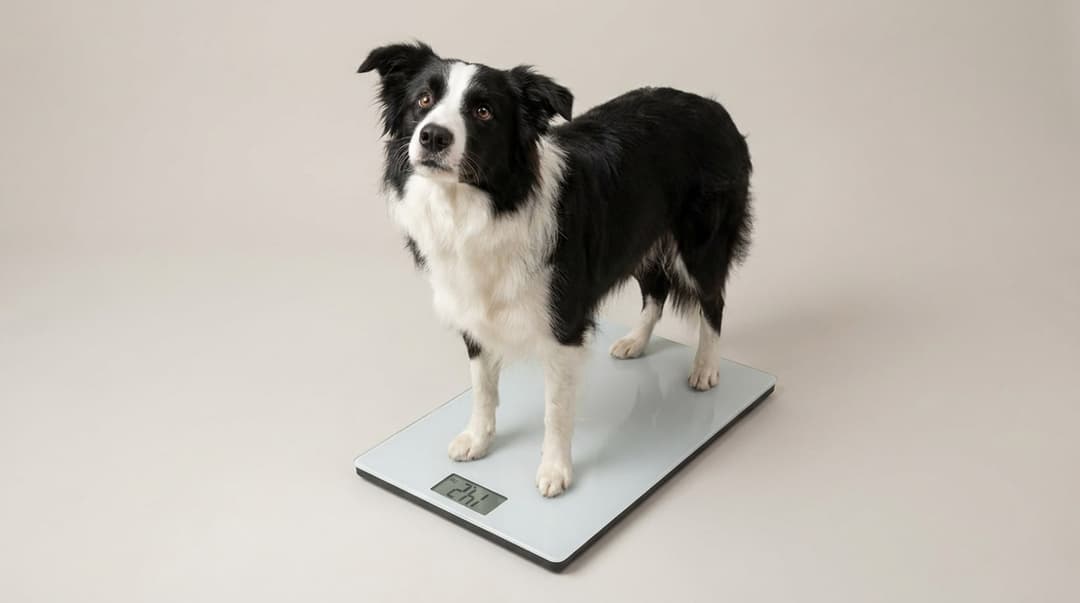
Step 3 — Enter current weight in pounds. Weigh at the same time of day on the same scale. Morning before feeding is most consistent. For small pets, a baby or postal scale gives more precise readings.
Step 4 — Enter age and activity level. Age adjusts ideal weight interpretation — puppies and kittens gain, adults maintain, some seniors lose muscle. Activity level adds context for whether current weight fits lifestyle.
Step 5 — Click Analyse Weight Status. Your result shows BCS assessment, distance from ideal range, and recommended trajectory. Log weekly during weight programmes, monthly for maintenance, to build a trend line.
Understanding Your Results
Body Condition Score — what it is and why it matters more than weight alone. BCS is a 9-point scale: 1–3 underweight, 4–5 ideal, 6–7 overweight, 8–9 obese. A muscled dog can weigh more at ideal BCS; a small-framed dog can be obese at a normal-looking weight.
How to assess BCS at home. Rib test — feel individual ribs with light pressure. Waist check — visible tuck from above. Abdominal tuck — belly rises behind the ribcage from the side.
What the trend line tells you. A single reading is a snapshot; the trend is the story. Slow monthly creep can add 10–15% of ideal body weight over a year without any single weigh-in seeming alarming.
Safe rate of weight loss. Dogs: max 1–2% of body weight per week. Cats: max 0.5–1% per week due to hepatic lipidosis risk. If loss exceeds these limits, increase calories 10% and recheck in two weeks.
When unexplained weight change needs a vet visit. Weight loss without dietary change in pets over 7 warrants investigation. Weight gain despite stable feeding can indicate hypothyroidism or fluid retention. Document the timeline for your vet.
Weight Reference Tables by Breed and Species
Healthy Weight Ranges — Common Dog Breeds
| Breed | Male Healthy Weight | Female Healthy Weight | Obese Threshold |
|---|---|---|---|
| Chihuahua | 1.8–2.7 kg | 1.5–2.3 kg | Over 3.5 kg |
| Yorkshire Terrier | 2.5–3.5 kg | 2–3 kg | Over 4 kg |
| Beagle | 10–11 kg | 9–10 kg | Over 13 kg |
| Cocker Spaniel | 12–14 kg | 10–12 kg | Over 16 kg |
| Border Collie | 14–20 kg | 12–18 kg | Over 22 kg |
| Labrador Retriever | 29–36 kg | 25–32 kg | Over 38 kg |
| Golden Retriever | 30–34 kg | 25–29 kg | Over 36 kg |
| German Shepherd | 30–40 kg | 22–32 kg | Over 42 kg |
| Rottweiler | 50–60 kg | 35–48 kg | Over 62 kg |
| Great Dane | 54–90 kg | 45–59 kg | Over 90 kg |
Healthy Weight Ranges — Common Cat Breeds
| Breed | Typical Adult Weight | Overweight Threshold | Notes |
|---|---|---|---|
| Domestic Shorthair | 3.6–5 kg | Over 5.5 kg | Most common; wide individual variation |
| Maine Coon | 5.9–8.2 kg (M), 3.6–5.4 kg (F) | Over 9 kg (M) | Genuinely large — not fat at 7kg |
| Ragdoll | 5.4–9 kg (M), 4.5–6.8 kg (F) | Over 9.5 kg (M) | Slow to mature; full weight at 4 years |
| Siamese | 3.6–5 kg | Over 5.5 kg | Naturally lean; weight gain easily visible |
| Persian | 3.6–5.9 kg | Over 6.5 kg | Dense coat hides weight gain |
| British Shorthair | 4.5–7.7 kg (M), 3.2–5.4 kg (F) | Over 8 kg (M) | Stocky build; BCS more reliable than weight |
| Bengal | 4.5–6.8 kg | Over 7.5 kg | Highly muscular; may weigh more at ideal BCS |
| Abyssinian | 3.2–4.5 kg | Over 5 kg | Naturally lean and athletic |
BCS to Health Risk — What Each Score Means Practically
| BCS Score | Description | Visual Signs | Health Risks | Action |
|---|---|---|---|---|
| 1–2 | Severely underweight | Ribs, spine, hip bones prominent and visible | Muscle wasting, immune compromise, organ failure | Vet visit same week |
| 3 | Underweight | Ribs easily visible, minimal fat cover | Reduced immunity, poor wound healing | Increase calories 15–20%, monitor weekly |
| 4–5 | Ideal | Ribs felt easily, visible waist, abdominal tuck | Minimal | Maintain current diet and exercise |
| 6 | Overweight | Ribs felt with firm pressure, waist barely visible | Early joint stress, increased diabetes risk | Reduce calories 10–15%, add exercise |
| 7 | Moderately obese | Ribs difficult to feel, no waist visible | Joint disease, insulin resistance, reduced lifespan | Structured weight loss plan, vet guidance |
| 8–9 | Severely obese | Ribs cannot be felt, fat deposits on neck and base of tail | Diabetes, heart disease, respiratory compromise, 2-year lifespan reduction | Immediate vet consultation |
Weekly Weigh-In Log Template
| Week | Weight (kg) | Change from Previous | BCS Assessment | Notes |
|---|---|---|---|---|
| Week 1 | Starting weight | Baseline | Record initial BCS | Begin reduced calorie plan |
| Week 2 | Log here | +/- kg | Reassess ribs | Adjust if loss exceeds 2%/week |
| Week 4 | Log here | +/- kg | Reassess waist | Check food measured by weight not cups |
| Week 8 | Log here | +/- kg | Full BCS check | Adjust calories if plateau |
| Week 12 | Log here | +/- kg | Vet check recommended | Review progress with vet |
Questions about this calculator
Feel ribs with light pressure — they should be easy to feel. From above, a healthy dog has a visible waist. The tracker compares weight to breed ranges and gives a BCS score.
For calorie targets during weight loss, use the Dog Food Calculator.