How to Use the Raw Diet Planner
Step 1 — Select pet type: Dog or Cat. Dogs and cats use different raw-feeding rules. Cats are obligate carnivores with a stricter dietary requirement for animal-derived nutrients than dogs, so plant matter has no place in a feline raw plan — never apply dog BARF ratios, including any vegetable component, to a cat.
Step 2 — Enter your pet's weight in pounds. Portions are calculated as a percentage of body weight, so accuracy here matters more than it might seem — even a 2 lb error can shift daily grams meaningfully for a smaller pet, throwing off the whole plan's calorie target.
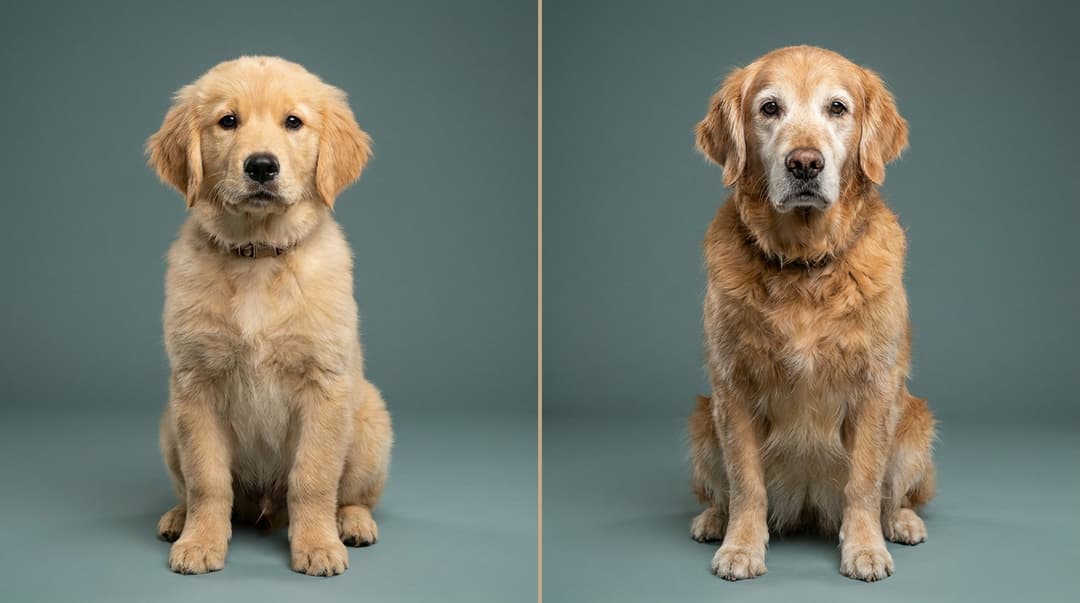
Step 3 — Enter age in years. Young, growing animals need a substantially higher percentage of body weight (often 5–10%) to fuel development, while seniors may need a denser, more digestible nutrient profile and closer monitoring of how well they're maintaining weight on the plan.
Step 4 — Select activity level. Activity adjusts the total daily percentage — roughly 2% for low activity, 2.5% for moderate, 3%+ for high — and this is the number you should adjust first if your pet's weight drifts, rather than changing the underlying meat/bone/organ ratio.
Step 5 — Click Calculate Raw Diet Plan. You get daily grams broken into the BARF component split (muscle meat, bone, organ) plus a suggested weekly protein rotation to build variety into the plan from day one.
Understanding Your Results
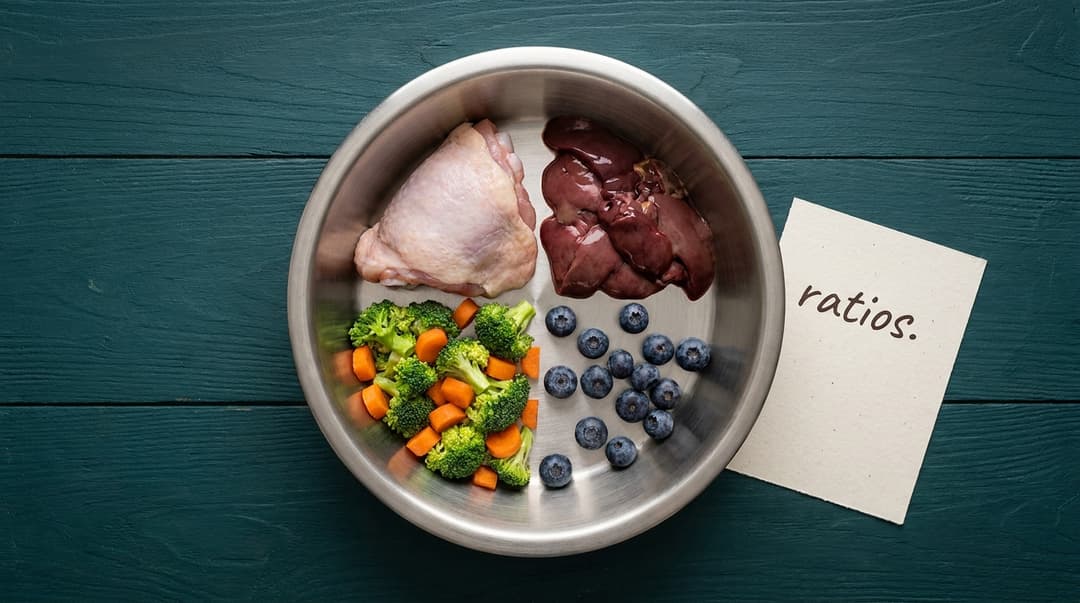
The 80/10/10 model. Dogs can work from a 70/10/10 ratio (70% muscle meat, 10% bone, 10% organ) with an optional 10% plant matter, or a stricter 80/10/10 without any plant component. Cats should stay at a strict 80/10/10 split with no vegetable matter at all — their digestive system isn't built to extract meaningful nutrition from plant material the way an omnivore's is.
Muscle meat (70–80%). This is the foundation of the diet — the primary calorie and protein source. Rotating between different protein types (beef, chicken, lamb, turkey, fish) rather than feeding one protein exclusively reduces the risk of subtle nutrient gaps and tends to improve long-term tolerance and interest in the food.
Raw meaty bones (10%). This component supplies the calcium-to-phosphorus balance a raw diet needs — a ratio that commercial cooked food achieves through fortification but a raw diet achieves through actual bone content. Only ever use raw bones, never cooked (cooked bones splinter and pose a serious perforation risk); if you're feeding a boneless raw diet for any reason, you must add a separate calcium source like ground eggshell to avoid a serious long-term deficiency.
Secreting organ (10%). Liver is non-negotiable in this category and should make up roughly half the total organ portion, since it supplies vitamin A and other nutrients not adequately covered elsewhere in the diet. Other secreting organs (kidney, spleen) round out the rest. Organ meat is nutrient-dense enough that overfeeding it — going meaningfully above 10% — commonly causes loose stools and, over the longer term, risks vitamin A excess.
Total daily grams, worked example. A 20kg moderately active dog at the 2.5% target needs 500g/day total, split according to your chosen ratio across however many meals you feed — commonly two meals for adult dogs, more for puppies.
What to watch for during the first few weeks. Stool consistency is the most immediate feedback signal — a properly balanced raw diet typically produces firm, low-volume stool within a week or two of a completed transition. Persistent loose stool, especially alongside a very high organ percentage, is usually the first sign a ratio needs adjusting before anything else.
Raw Feeding Guide by Pet Size and Life Stage
Dogs — Daily Raw Food by Weight (2–3% body weight)
| Dog Weight | Low Activity (2%) | Moderate (2.5%) | High Activity (3%) | Muscle Meat | Bone | Organ |
|---|---|---|---|---|---|---|
| 5 kg | 100g | 125g | 150g | 70–80g | 12–15g | 10–12g |
| 10 kg | 200g | 250g | 300g | 140–160g | 25–30g | 20–25g |
| 15 kg | 300g | 375g | 450g | 210–240g | 37–45g | 30–37g |
| 20 kg | 400g | 500g | 600g | 280–320g | 50–60g | 40–50g |
| 30 kg | 600g | 750g | 900g | 420–480g | 75–90g | 60–75g |
| 40 kg | 800g | 1,000g | 1,200g | 560–640g | 100–120g | 80–100g |
| 50 kg | 1,000g | 1,250g | 1,500g | 700–800g | 125–150g | 100–125g |
Cats — Daily Raw Food by Weight (2–3% body weight)
| Cat Weight | Maintenance (2%) | Active (2.5%) | Kitten (5–8%) | Muscle Meat | Bone | Organ |
|---|---|---|---|---|---|---|
| 3 kg | 60g | 75g | 150–240g | 48g | 6g | 6g |
| 4 kg | 80g | 100g | — | 64g | 8g | 8g |
| 5 kg | 100g | 125g | — | 80g | 10g | 10g |
| 6 kg | 120g | 150g | — | 96g | 12g | 12g |
| 7 kg | 140g | 175g | — | 112g | 14g | 14g |
Puppies and Kittens — Adjusted Percentages
| Age | Feeding % of Body Weight | Meals Per Day | Notes |
|---|---|---|---|
| Puppy 8–16 weeks | 8–10% | 4 | Bone content: 12–15% to support skeletal growth |
| Puppy 4–6 months | 6–8% | 3–4 | Reduce as growth slows |
| Puppy 6–12 months | 4–6% | 2–3 | Transition toward adult percentages |
| Adult dog | 2–3% | 2 | Adjust based on body condition |
| Kitten under 6 months | 6–8% | 3–4 | No vegetables. Higher organ tolerance. |
| Adult cat | 2–3% | 2 | Strict 80/10/10 — no plant matter |
Protein Rotation Schedule — Weekly Example
| Day | Primary Protein | Bone Source | Organ |
|---|---|---|---|
| Monday | Chicken thigh | Chicken neck | Chicken liver |
| Tuesday | Beef chuck | — (boneless, supplement calcium) | Beef kidney |
| Wednesday | Turkey mince | Turkey neck | — |
| Thursday | Lamb shoulder | Lamb ribs | Lamb liver |
| Friday | Pork shoulder | — (boneless) | Pork kidney |
| Saturday | Whole fish (sardines or mackerel) | — | — |
| Sunday | Rabbit | Rabbit pieces (whole) | Rabbit liver |
Fish 1–2 times weekly helps omega-3 intake. For boneless days, add calcium (for example eggshell powder).
Questions about this calculator
Feed 2–3% of your dog's body weight in raw food daily, adjusted for activity level. A moderately active 25kg dog needs around 625g/day. Puppies need more (5–10%) depending on age.