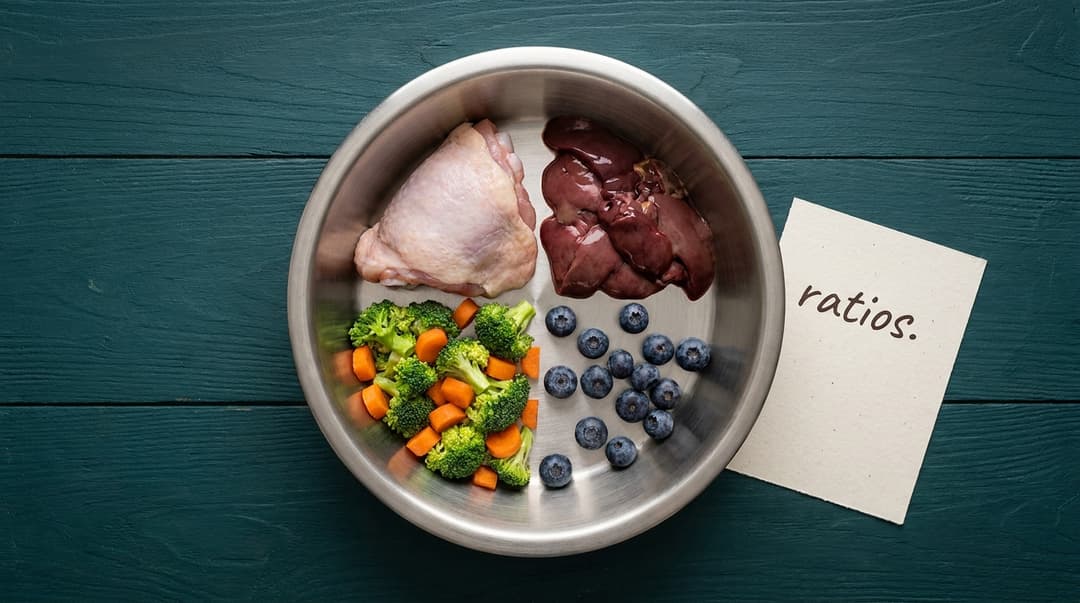
Food Safety Checker tool hero image
NUTRITION

Food Safety Checker

Search common foods for toxicity guidance — grapes, chocolate, xylitol, and more.

Vet-informed methodologyFree · private · in-browserUpdated regularly
Emergency Contacts
Pet Poison Helpline
(855) 764-7661
24/7 emergency service
ASPCA Poison Control
(888) 426-4435
24/7 emergency service
Search Foods
Search our database of safe and toxic foods

Quick Stats

Total Foods:58
Safe Foods:18
Toxic Foods:17
Chocolate
Toxic

Contains theobromine and caffeine which are toxic to pets. Dark chocolate is more dangerous than milk chocolate.

Also known as:
cocoa
cacao
dark chocolate
milk chocolate
white chocolate
Symptoms of poisoning:
vomiting, diarrhea, increased heart rate, seizures, tremors
Emergency Action:
Contact veterinarian immediately. Do not induce vomiting unless instructed.
Grapes
Toxic

Can cause kidney failure in dogs and cats. Even small amounts can be dangerous.

Also known as:
raisins
sultanas
currants
Symptoms of poisoning:
vomiting, diarrhea, lethargy, loss of appetite, kidney failure
Emergency Action:
Seek immediate veterinary care. Time is critical.
Onions
Toxic

Contains compounds that damage red blood cells, leading to anemia.

Also known as:
garlic
shallots
leeks
chives
Symptoms of poisoning:
weakness, vomiting, breathing difficulties, pale gums
Emergency Action:
Contact veterinarian if consumed in significant amounts.
Xylitol
Toxic

Artificial sweetener that causes rapid insulin release and liver damage.

Also known as:
sugar-free gum
sugar-free candy
diet products
Symptoms of poisoning:
vomiting, loss of coordination, lethargy, collapse
Emergency Action:
Emergency veterinary care required immediately.
Avocado
Toxic

Contains persin which can cause digestive upset and breathing difficulties.

Also known as:
avocado pit
avocado leaves
Symptoms of poisoning:
vomiting, diarrhea, difficulty breathing
Emergency Action:
Monitor closely and contact vet if symptoms develop.
Macadamia Nuts
Toxic

Causes weakness, depression, vomiting and tremors in dogs.

Also known as:
macadamias
Symptoms of poisoning:
weakness, depression, vomiting, tremors, hyperthermia
Emergency Action:
Contact veterinarian for guidance on treatment.
Dairy Products
Caution

Many pets are lactose intolerant and may experience digestive upset.

Also known as:
milk
cheese
yogurt
ice cream
Symptoms of poisoning:
diarrhea, vomiting, gas, bloating
Serving guidelines:
Small amounts occasionally. Choose lactose-free options if available.
High-Fat Foods
Caution

Can cause pancreatitis and digestive upset.

Also known as:
bacon
sausage
fried foods
fatty meat
Symptoms of poisoning:
vomiting, diarrhea, abdominal pain, lethargy
Serving guidelines:
Avoid or give very small amounts as rare treats.
Cooked Bones
Caution

Cooked bones can splinter and cause choking or internal injuries.

Also known as:
chicken bones
pork bones
beef bones
Symptoms of poisoning:
choking, vomiting, constipation, bloody stool
Serving guidelines:
Only give raw bones appropriate for pet size, under supervision.
Salty Foods
Caution

Excessive salt can lead to sodium poisoning and dehydration.

Also known as:
chips
pretzels
salted nuts
processed foods
Symptoms of poisoning:
excessive thirst, urination, vomiting, diarrhea
Serving guidelines:
Avoid salty snacks. Provide fresh water always.
Chicken
Safe

Excellent source of lean protein when cooked without seasoning.

Also known as:
chicken breast
chicken thigh
cooked chicken
Nutritional benefits:
high protein, low fat, essential amino acids
Serving guidelines:
Cook thoroughly, remove bones and skin. No seasoning or oil.
Rice
Safe

Easily digestible carbohydrate, good for upset stomachs.

Also known as:
white rice
brown rice
cooked rice
Nutritional benefits:
easy to digest, energy source, fiber (brown rice)
Serving guidelines:
Cook plain without salt or butter. Start with small amounts.
Pumpkin
Safe

Rich in fiber and vitamins, good for digestive health.

Also known as:
pumpkin puree
cooked pumpkin
Nutritional benefits:
high fiber, vitamin A, digestive health
Serving guidelines:
Use plain pumpkin puree, not pie filling. 1-2 tablespoons for dogs, 1 teaspoon for cats.
Sweet Potato
Safe

Nutritious root vegetable rich in vitamins and fiber.

Also known as:
cooked sweet potato
sweet potato puree
Nutritional benefits:
vitamin A, fiber, potassium, antioxidants
Serving guidelines:
Cook thoroughly, remove skin. Small portions as treats.
Carrots
Safe

Low-calorie vegetable good for dental health and vision.

Also known as:
baby carrots
cooked carrots
Nutritional benefits:
vitamin A, fiber, low calorie, dental health
Serving guidelines:
Raw or cooked. Cut into appropriate sizes to prevent choking.
Blueberries
Safe

Antioxidant-rich fruit that's low in calories.

Also known as:
fresh blueberries
frozen blueberries
Nutritional benefits:
antioxidants, vitamin C, fiber, low calorie
Serving guidelines:
Fresh or frozen. Give as occasional treats, 2-3 berries for cats, handful for dogs.
Salmon
Safe

Rich in omega-3 fatty acids and high-quality protein.

Also known as:
cooked salmon
salmon fillet
Nutritional benefits:
omega-3 fatty acids, protein, healthy skin and coat
Serving guidelines:
Cook thoroughly, remove all bones. No seasoning or oil.
Green Beans
Safe

Low-calorie vegetable rich in vitamins and minerals.

Also known as:
string beans
cooked green beans
Nutritional benefits:
low calorie, fiber, vitamins A, C, K
Serving guidelines:
Fresh, frozen, or cooked without seasoning. Cut into appropriate sizes.
Tuna
Caution

High in protein but should be given sparingly due to mercury content.

Also known as:
canned tuna
tuna in water
Nutritional benefits:
high protein, omega-3 fatty acids
Serving guidelines:
Occasional treat only. Choose tuna in water, not oil. Risk of mercury poisoning with frequent feeding.
Catnip
Safe

Safe herb that provides mental stimulation for cats.

Also known as:
fresh catnip
dried catnip
Nutritional benefits:
mental stimulation, stress relief
Serving guidelines:
Use as enrichment toy or treat. Not all cats respond to catnip.
Coffee
Toxic

Caffeine stimulates the nervous system and can cause dangerous heart rate and seizure risk in pets.

Also known as:
caffeine
espresso
coffee beans
tea with caffeine
Symptoms of poisoning:
restlessness, rapid breathing, heart palpitations, tremors, seizures
Emergency Action:
Contact your vet or poison helpline immediately — even small amounts can be serious for cats and small dogs.
Alcohol
Toxic

Alcohol is absorbed quickly and depresses the nervous system. Pets are far more sensitive than humans.

Also known as:
beer
wine
spirits
ethanol
hand sanitizer
Symptoms of poisoning:
vomiting, disorientation, difficulty breathing, low body temperature, coma
Emergency Action:
Emergency veterinary care required — do not wait for symptoms to worsen.
Raw Bread Dough
Toxic

Yeast continues rising in the warm stomach, producing alcohol and expanding dough that can cause bloat.

Also known as:
yeast dough
unbaked bread
pizza dough
Symptoms of poisoning:
abdominal distension, vomiting, disorientation, bloat
Emergency Action:
Seek emergency vet care — bloat can be life-threatening.
Cooked Bones
Caution

Cooked bones splinter easily and can pierce the mouth, throat, or intestines.

Also known as:
chicken bones
pork bones
rib bones
leftover bones
Symptoms of poisoning:
choking, vomiting, constipation, bloody stool, abdominal pain
Emergency Action:
Contact your vet if your dog ate cooked bones — do not induce vomiting unless instructed.
Peanut Butter
Safe

Plain, unsalted peanut butter without xylitol is generally safe as an occasional treat.

Also known as:
peanut paste
PB
Nutritional benefits:
protein, healthy fats
Serving guidelines:
Check the label for xylitol (toxic). Limit to small amounts — high in calories.
Apple
Safe

Apple flesh is safe; seeds contain small amounts of cyanogenic compounds — remove core and seeds.

Also known as:
apple slices
apple flesh
Nutritional benefits:
fiber, vitamins A and C
Serving guidelines:
Remove seeds and core. Cut into bite-sized pieces. Avoid apple pie or sugary preparations.
Banana
Safe

Low-risk fruit in moderation. High in sugar — not ideal for overweight pets.

Also known as:
banana slices
Nutritional benefits:
potassium, fiber, vitamins B6 and C
Serving guidelines:
Small slices only. Peel before serving. Limit for diabetic or overweight pets.
Tomato
Caution

Ripe red tomato flesh is usually fine in small amounts. Green stems and leaves contain tomatine.

Also known as:
tomatoes
cherry tomatoes
Symptoms of poisoning:
drooling, GI upset, lethargy
Serving guidelines:
Only ripe flesh in moderation. Never feed green parts or unripe tomatoes.
Garlic Powder
Toxic

Concentrated forms of garlic and onion are more potent per gram than fresh bulbs.

Also known as:
garlic salt
seasoned food
onion powder
Symptoms of poisoning:
weakness, pale gums, vomiting, elevated heart rate
Emergency Action:
Contact your vet — toxicity is dose-dependent but garlic powder is concentrated.
Cherries
Caution

Cherry flesh is generally safe in small amounts. Pits contain cyanide compounds and are a choking hazard.

Also known as:
cherry pits
stone fruit
Serving guidelines:
Pit and stem must be removed. Avoid maraschino cherries (high sugar).
Wild Mushrooms
Toxic

Many wild mushroom species are toxic; identification errors can be fatal.

Also known as:
foraged mushrooms
backyard mushrooms
Symptoms of poisoning:
vomiting, diarrhea, liver failure, neurological signs
Emergency Action:
Emergency vet care — bring a sample or photo of the mushroom if possible.
Coconut
Caution

Small amounts of coconut flesh or oil are usually tolerated. Coconut milk and water are high in fat and potassium.

Also known as:
coconut flesh
coconut oil
coconut milk
Serving guidelines:
Tiny amounts only. Avoid sweetened coconut products.
Cheese
Caution

Many pets tolerate small amounts, but cheese is high in fat and can trigger pancreatitis in sensitive animals.

Also known as:
cheddar
mozzarella
cream cheese
Serving guidelines:
Use as a high-value training treat in pea-sized portions. Avoid if lactose intolerant.
Bread
Caution

Plain baked bread is not toxic but offers little nutrition and can contribute to weight gain.

Also known as:
plain bread
toast
bagels
Serving guidelines:
Plain, fully baked bread only — no raisins, garlic, or xylitol. Not a meal substitute.
Corn
Caution

Plain cooked kernels are digestible in moderation. Cobs are a serious intestinal obstruction risk for dogs.

Also known as:
corn kernels
corn on the cob
sweetcorn
Symptoms of poisoning:
blockage, vomiting, straining
Serving guidelines:
Scrape kernels off the cob. Never give the cob to dogs.
Spinach
Safe

Safe in small amounts for most pets. Contains oxalates — limit for pets with kidney or bladder stone history.

Also known as:
leafy greens
Serving guidelines:
Lightly steamed or raw in small quantities. Not a dietary staple.
Broccoli
Safe

Safe steamed or raw in moderation. Can cause gas if overfed.

Also known as:
broccoli florets
Nutritional benefits:
fiber, vitamin C, low calorie
Serving guidelines:
Florets only, ≤10% of daily intake. Chop to prevent choking in small dogs.
Eggs
Safe

Fully cooked eggs are an excellent protein source. Raw eggs carry salmonella risk and avidin can affect biotin.

Also known as:
cooked egg
scrambled egg
boiled egg
Nutritional benefits:
high-quality protein, amino acids
Serving guidelines:
Cook thoroughly without butter, salt, or seasoning.
Raw Salmon
Toxic

Raw salmon can carry Neorickettsia helminthoeca, causing salmon poisoning disease — potentially fatal if untreated.

Also known as:
sushi salmon
raw fish
smoked salmon
Symptoms of poisoning:
vomiting, diarrhea, fever, swollen lymph nodes
Emergency Action:
Emergency vet care if raw salmon was consumed — treatment is effective if started early.
Ham & Processed Meats
Caution

High in salt, fat, and preservatives. Can trigger pancreatitis and sodium toxicity in large amounts.

Also known as:
bacon
sausage
deli meat
hot dogs
Serving guidelines:
Avoid as a regular food. Tiny unseasoned pieces very occasionally at most.
Ice Cream
Caution

Most adult pets are lactose intolerant. Many flavours contain chocolate, xylitol, or raisins.

Also known as:
frozen dessert
gelato
Serving guidelines:
Not recommended. Use pet-specific frozen treats instead.
Marijuana / Cannabis
Toxic

THC affects pets more severely than humans. Edibles often contain chocolate or xylitol as well.

Also known as:
THC
edibles
cannabis
CBD with THC
Symptoms of poisoning:
lethargy, dribbling urine, ataxia, low heart rate, coma
Emergency Action:
Emergency vet care — be honest about exposure so vets can treat appropriately.
Ibuprofen
Toxic

Even one tablet can cause gastric ulcers and kidney failure in dogs and cats.

Also known as:
Advil
Nurofen
NSAIDs
human painkillers
Emergency Action:
Emergency vet care immediately — bring the packaging with dose information.
Paracetamol / Acetaminophen
Toxic

Extremely toxic to cats even at low doses. Causes liver damage in dogs and cats.

Also known as:
Tylenol
Panadol
acetaminophen
Emergency Action:
Emergency vet care — especially critical for cats.
Leeks
Toxic

Member of the allium family — damages red blood cells and causes anemia.

Also known as:
allium vegetables
onion family
Symptoms of poisoning:
weakness, pale gums, vomiting, red-tinged urine
Emergency Action:
Contact your vet with the estimated amount consumed.
Honey
Caution

Not toxic to adult dogs in tiny amounts but high in sugar. Never give to puppies under 12 months (botulism spore risk).

Also known as:
raw honey
Serving guidelines:
Adult dogs only, small amounts. Avoid for diabetic or overweight dogs.
Watermelon
Safe

Seedless flesh is a hydrating low-calorie treat. Remove rind and seeds.

Also known as:
melon
Nutritional benefits:
hydration, vitamins A and C
Serving guidelines:
Seedless flesh only, no rind. Limit portion size.
Strawberries
Safe

Safe in moderation. Good low-calorie treat when washed and cut appropriately.

Also known as:
berries
Nutritional benefits:
fiber, vitamin C, antioxidants
Serving guidelines:
Wash and slice for small pets. Avoid chocolate-dipped strawberries.
Peaches
Caution

Flesh is safe in small amounts. Pits contain cyanide compounds and cause intestinal blockage.

Also known as:
nectarines
stone fruit flesh
Serving guidelines:
Remove pit and skin for sensitive stomachs. Small pieces only.
Cinnamon
Caution

Small amounts in baked goods are usually tolerated. Large quantities of powder can irritate airways and mouth.

Also known as:
cinnamon powder
cinnamon sticks
Serving guidelines:
Avoid cinnamon essential oil entirely — highly concentrated.
Nutmeg
Toxic

Contains myristicin which can cause hallucinations, elevated heart rate, and seizures in pets.

Also known as:
baking spice
Symptoms of poisoning:
disorientation, tremors, seizures, increased heart rate
Emergency Action:
Contact your vet if more than a tiny accidental amount was consumed.
Almonds
Caution

Not toxic like macadamias but can cause GI upset and obstruction risk, especially in small dogs.

Also known as:
nuts
mixed nuts
Serving guidelines:
Not recommended. If eaten, monitor for vomiting or discomfort.
Plain Popcorn
Safe

Plain air-popped popcorn without butter, salt, or seasoning is a low-calorie occasional treat.

Also known as:
air-popped popcorn
Serving guidelines:
Fully popped kernels only — unpopped kernels can damage teeth and cause choking.
Plain Yogurt
Caution

Plain unsweetened yogurt may be tolerated by pets that are not lactose intolerant. Must not contain xylitol.

Also known as:
Greek yogurt
probiotic yogurt
Serving guidelines:
Plain, live-culture, no sweeteners. Start with a teaspoon to test tolerance.
Liver
Caution

Nutrient-dense but very high in vitamin A. Excessive liver causes hypervitaminosis A.

Also known as:
beef liver
chicken liver
organ meat
Serving guidelines:
Limit to ≤5% of diet. Cook thoroughly without seasoning.
Raw Eggs
Caution

Risk of salmonella and biotin deficiency with frequent raw feeding.

Also known as:
uncooked egg
Serving guidelines:
Cook eggs before feeding. Raw feeding protocols require veterinary guidance.
Pickles
Caution

High sodium and often contain garlic or onion in the brine.

Also known as:
pickled vegetables
brine
Serving guidelines:
Not recommended — skip salty pickled foods.
Sugary Foods
Caution

Sugar contributes to obesity and dental disease. Many sweets contain xylitol or chocolate.

Also known as:
candy
sweets
frosting
cookies
Serving guidelines:
Avoid entirely — check labels for xylitol which is lethal even in small amounts.
Food Safety Guidelines

General Safety Tips

  • • Always introduce new foods gradually
  • • Monitor your pet for any adverse reactions
  • • When in doubt, don't give it to your pet
  • • Keep emergency vet contact information handy
  • • Store toxic foods securely away from pets

Signs of Food Poisoning

  • • Vomiting or diarrhea
  • • Loss of appetite or lethargy
  • • Difficulty breathing
  • • Excessive drooling or panting
  • • Unusual behavior or distress
How we calculate

The math, openly documented.

01

Inputs

You enter the facts that change the estimate.

species · age · weight · lifestyle
02

Normalize

We validate ranges and convert units when needed.

lbs ↔ kg · months ↔ years
03

Formula

Published veterinary or industry-standard calculations.

result = f(valid inputs)
04

Results

Rounded outputs — schedules, ranges, or targets — with disclaimers.

display + notes
Frequently asked

Questions about this calculator

It uses the same RER × DER formulas vets use. The math is exact; the inputs are estimates. For most healthy adult dogs, you should be within ±10% of true requirements — well within normal variation.
Discuss on PawTalk

Got an edge case the calculator can't handle?

247 active threads about dog nutrition right now. Verified vets and experienced owners answer within hours.