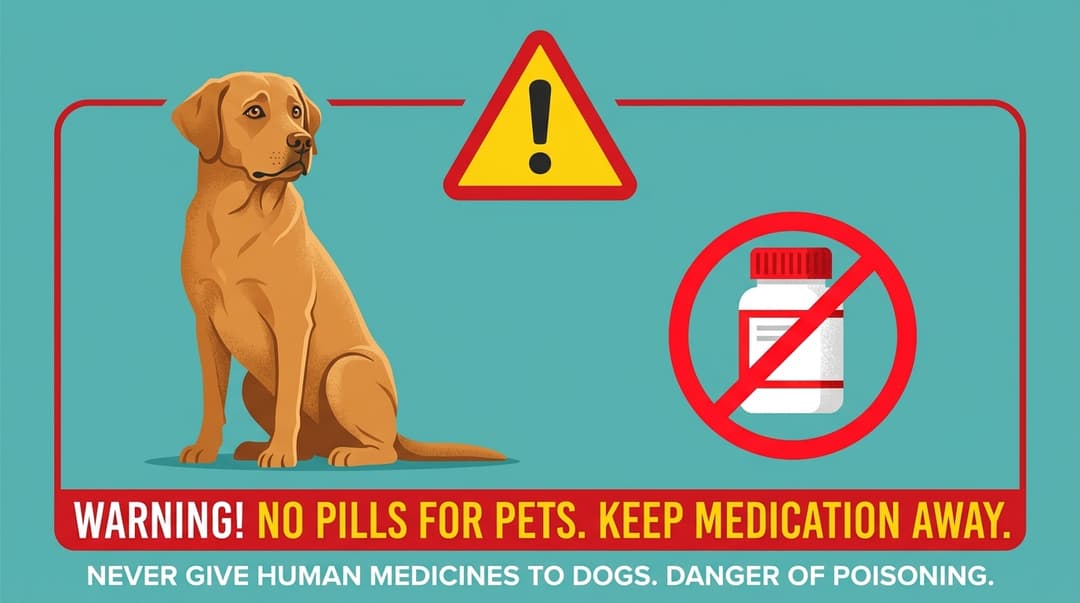
Tylenol and Dogs: Why This "Dosage Chart" Search Needs a Different Answer
Unlike Benadryl, acetaminophen (Tylenol) is not a medication most vets recommend giving to dogs at home — while some veterinary protocols do use it in specific, carefully monitored circumstances, it carries meaningful liver toxicity risk in dogs at doses not far above what might seem reasonable, and it is outright dangerous to cats at almost any dose due to cats' inability to metabolize it safely. This page exists specifically to intercept "dog Tylenol dosage" searches with a safety-first answer rather than providing a chart that could encourage unsupervised use — dog owners in pain-management situations should default to vet-approved options like the meloxicam or gabapentin references linked here.
Reference only — confirm with your veterinarian.
Meloxicam (safer pain option)Gabapentin referenceKeep going with a related calculator.
Tylenol and Dogs: Why This "Dosage Chart" Search Needs a Different Answer
Unlike Benadryl, acetaminophen (Tylenol) is not a medication most vets recommend giving to dogs at home — while some veterinary protocols do use it in specific, carefully monitored circumstances, it carries meaningful liver toxicity risk in dogs at doses not far above what might seem reasonable, and it is outright dangerous to cats at almost any dose due to cats' inability to metabolize it safely. This page exists specifically to intercept "dog Tylenol dosage" searches with a safety-first answer rather than providing a chart that could encourage unsupervised use — dog owners in pain-management situations should default to vet-approved options like the meloxicam or gabapentin references linked here.
Why acetaminophen is different from the other reference pages here
Most of the medication pages on this site exist to help you understand a vet-prescribed dose. This one is different on purpose: acetaminophen has a narrow margin between a dose that seems reasonable and one that causes liver damage in dogs, and it's a leading cause of drug toxicity in cats specifically because cats lack the liver enzyme (glucuronyl transferase) needed to safely process it — even a single standard adult tablet can be fatal to a cat. Because the failure mode here is toxicity rather than under-dosing, a self-serve weight-based chart works against the goal of keeping pets safe.
What toxicity looks like, and what to do
Signs of acetaminophen toxicity in dogs and cats include lethargy, vomiting, brown or gray gums (from methemoglobinemia — reduced oxygen-carrying capacity in the blood), swelling of the face or paws, and jaundice as liver damage progresses. These signs can take hours to appear, which is exactly why "wait and see" is the wrong approach.
If your dog or cat has ingested any acetaminophen:
- Do not wait for symptoms — contact your vet or an animal poison control line immediately.
- Have the product packaging on hand so you can report the exact formulation and strength.
- Do not attempt to induce vomiting or give any home remedy without professional guidance.
What to use instead
For dogs, meloxicam (an NSAID) and gabapentin are the two most commonly vet-prescribed reference points covered on this site — see the linked pages below. Neither is a like-for-like substitute you should self-select; both still require a current veterinary prescription, but understanding how their dosing works can help you have a more informed conversation with your vet about pain management options.
Why this topic gets searched so often despite the risk
It's worth acknowledging directly why "dog Tylenol dosage" is such a common search: acetaminophen is one of the most familiar over-the-counter pain relievers in most households, it's already sitting in the medicine cabinet, and when a dog is visibly uncomfortable, reaching for what's on hand feels like a reasonable first step. That instinct is understandable, but it's exactly the situation this page is designed to intercept before it leads somewhere dangerous — a medication being familiar and accessible to humans says nothing about its safety margin in a different species with different liver metabolism. Dogs process acetaminophen differently than humans do, and the dose that would be unremarkable for a person can approach toxic thresholds for a dog at a much lower relative amount, which is precisely why "just scale it down for a smaller body" isn't a safe way to reason about this specific medication the way it might be for some other over-the-counter options.
Keeping human medications genuinely out of reach
Beyond the immediate safety information above, the most effective long-term protection is preventing accidental access in the first place, since a large share of pet poisoning cases involve a medication that was accessible rather than deliberately given. Store all human medications — not just acetaminophen, but the full range of over-the-counter and prescription drugs — in closed cabinets rather than on countertops, nightstands, or in purses/bags a curious dog can reach. Be especially careful with pill organizers and weekly dispensers, which are easy to knock over and scatter, and with any medication kept in a nightstand drawer a dog might have access to if left ajar. If you have house guests or visiting family, a brief mention that medications need to stay zipped in a bag or on a high shelf is a small ask that prevents a genuinely common cause of emergency vet visits — most accidental ingestions involve a visitor's medication rather than a resident's, simply because the household's own precautions don't extend automatically to a guest's habits.
When to consult a professional
For health, dosage, or nutrition decisions, always confirm calculator output with your veterinarian. This tool provides reference estimates, not medical advice.
Read the full guide
- Tylenol for Dogs: Why Vets Say There's No Safe Home Dose — the complete write-up on why this medication is different from the others on this site.
Emergency or unsure?
Call your vet or ASPCA Animal Poison Control — available 24/7.
Questions about this calculator
Because acetaminophen carries a narrower safety margin and higher toxicity risk in dogs than the other medications covered here, and is dangerous in cats at nearly any dose — the responsible answer to "how much Tylenol" is usually "talk to your vet about a safer alternative," not a self-serve chart.
The math, openly documented.
Inputs
Weight, use case, and product strength where relevant.
weight · tablet_mg · use
Formula
Published veterinary reference dosing math.
dose = f(weight_kg)
Output
Reference range with safety notes.
mg · tablets · frequency
Disclaimer
Not a prescription — vet confirmation required.
reference only
More from Health
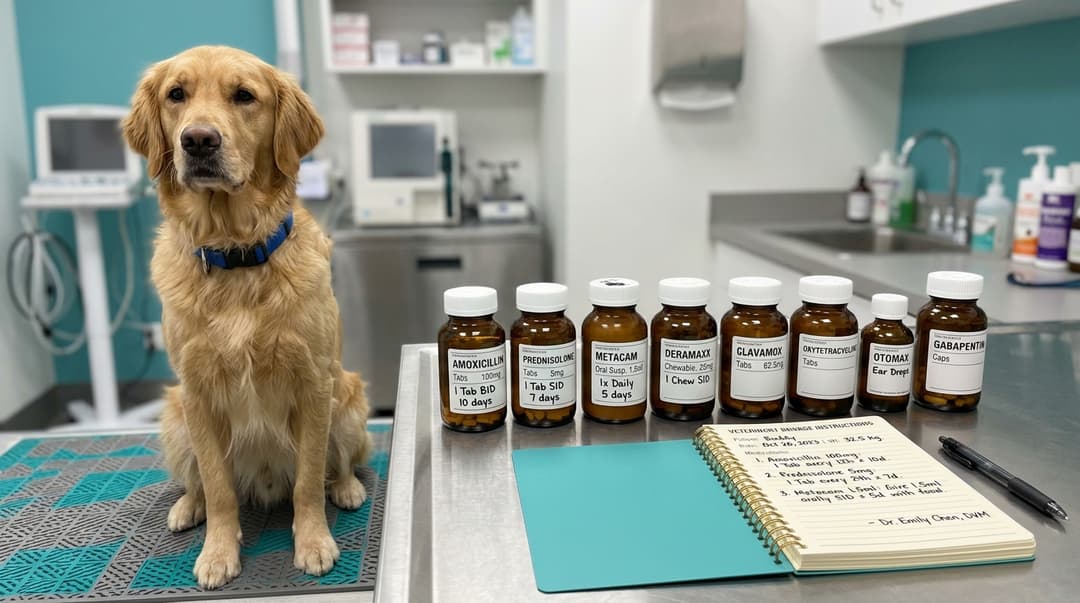
Dog Medication Dosage Reference Hub
Hub for all dog medication reference tools.
Open tool
Benadryl Dosage for Dogs, By Weight
Weight-based diphenhydramine reference with tablet conversion.
Open tool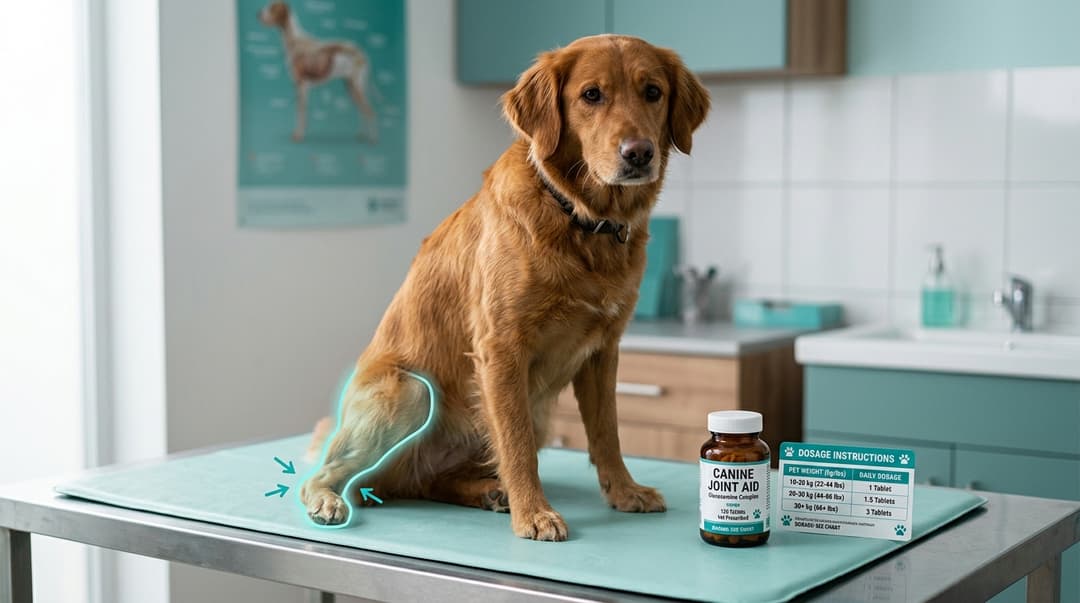
Understanding Meloxicam Dosing for Dogs
NSAID loading and maintenance dose reference.
Open toolArticles from Insights



Got an edge case the calculator can't handle?
247 active threads about dog nutrition right now. Verified vets and experienced owners answer within hours.