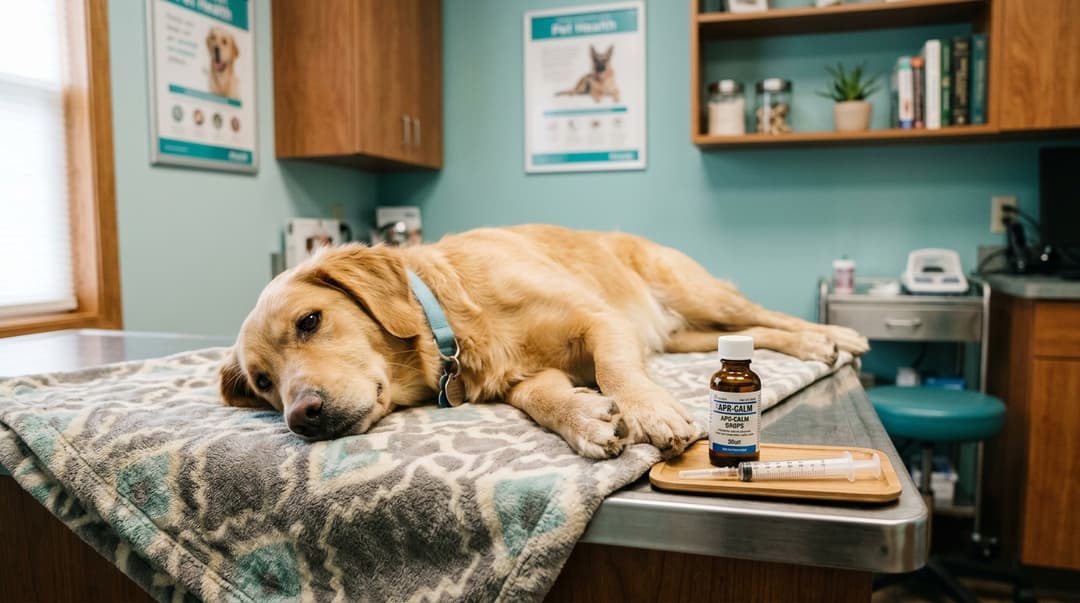
Benadryl Dosage for Dogs, By Weight
Your inputs
Results update live as you type.
Most adult Benadryl tablets are 25 mg. Children's chewables are often 12.5 mg.
Your results
Fill in the form to see your estimate.
Ready when you are
Fill in the form to see your reference estimate
Veterinary reference only
Reference only — confirm with your vet before giving for the first time. Always check active ingredients (no decongestant/combination formulas).
Keep going with a related calculator.
Benadryl dosage for dogs — weight-based reference
Veterinary references commonly cite diphenhydramine at about 1 mg per pound of body weight, given every 8–12 hours (up to 2–3 times daily). That translates to roughly 2.2 mg/kg. The calculator above applies this math to your dog's weight and converts the result into standard tablet sizes — but your vet may adjust the dose for puppies, seniors, brachycephalic breeds, or dogs on other medications.
How to use this calculator
- Enter your dog's weight in pounds or kilograms
- Select the tablet strength you have on hand (25 mg is most common)
- Read the highlighted dose row — this is a reference range, not a prescription
Quick reference chart (25 mg tablets)
| Dog weight | Reference dose | 25 mg tablets (approx.) | Max per day* |
|---|---|---|---|
| 10 lb (4.5 kg) | 10 mg | ½ tablet | 1–1½ tablets |
| 20 lb (9 kg) | 20 mg | ¾–1 tablet | 2–3 tablets |
| 40 lb (18 kg) | 40 mg | 1½ tablets | 4–5 tablets |
| 60 lb (27 kg) | 60 mg | 2–2½ tablets | 6–7 tablets |
| 80 lb (36 kg) | 80 mg | 3 tablets | 8–9 tablets |
| 100 lb (45 kg) | 100 mg | 4 tablets | 10–12 tablets |
*Reference only — confirm with your veterinarian before first use.
Check the label before you dose
Danger: Only use plain diphenhydramine — no decongestants (phenylephrine, pseudoephedrine), no acetaminophen, no ibuprofen. "Extra strength," "Allergy + Sinus," and "Multi-symptom" human formulas often contain ingredients toxic to dogs.
When to call your vet instead
Facial swelling, difficulty breathing, repeated vomiting, collapse, or a reaction that worsens after dosing needs immediate veterinary care — Benadryl is for mild reactions, not emergencies.
Understanding your results
Why the max-per-day column runs higher than one dose × 3. The max daily figure reflects some flexibility for splitting doses across the day rather than a strict single-dose-times-frequency multiplication — always confirm the specific daily ceiling with your vet rather than assuming you can freely stack toward the top of that range.
Liquid children's Benadryl needs its own math, not a tablet substitution. Liquid concentration (commonly 12.5 mg per 5 mL) is different from tablet strength, and kitchen spoons aren't accurate measuring tools — use an oral syringe and calculate the volume from the concentration on the label, not a tablet-equivalent guess.
Common situations Benadryl is used for
Beyond general seasonal itching, diphenhydramine's antihistamine effect makes it a common first-line response to a handful of specific, recognizable situations. Insect stings and bites are a frequent use case — a bee sting or wasp sting causing localized swelling (without signs of a more severe reaction like facial swelling or difficulty breathing) is a classic mild-reaction scenario where the standard reference dose is commonly recommended, ideally after a quick call to your vet to confirm it's appropriate for the specific situation. Vaccine reactions are another: mild facial puffiness or hives appearing within a few hours of a vaccination is sometimes managed with Benadryl on your vet's advice, though this is a case where the timing (giving it before or after the reaction starts) and monitoring matter enough that it's worth confirming with your vet's office rather than administering independently the first time it happens. Mild environmental or seasonal allergies (occasional itching, watery eyes during a high-pollen stretch) round out the most common everyday uses, distinct from a chronic allergy condition that would benefit from a more comprehensive long-term management plan.
Storing and handling diphenhydramine safely at home
Keep tablets in their original, clearly labeled container rather than transferring them to a generic pill container where dosage information and expiration date get lost — this matters specifically because Benadryl often ends up as a household's go-to "just in case" medication kept for occasional use, and a mislabeled or expired container is an easy source of dosing errors months or years later. Store it out of reach of pets generally, not just the dog it's intended for, since an unsupervised multi-pet household creates a real risk of one pet accessing a dose intended for another. If you're using liquid children's Benadryl rather than tablets, double-check the concentration printed on that specific bottle every time rather than assuming it matches a previous bottle you've used — formulations and concentrations can vary between products and even between package redesigns from the same manufacturer.
Related medication tools
- Dog Medication Dosage Hub — all reference dosing tools
- Meloxicam Dosage — NSAID pain reference
- Chocolate Toxicity Calculator — emergency risk check
Read the full guide
- Benadryl for Dogs: Dosage Chart, Uses, and Safety Guide — the complete write-up, including side effects, overdose signs, and when to skip Benadryl for gabapentin or trazodone instead.
Emergency or unsure?
Call your vet or ASPCA Animal Poison Control — available 24/7.
Questions about this calculator
Yes, many vets recommend diphenhydramine for mild allergic itching or hives at the 1 mg/lb reference dose. If itching persists beyond 48 hours or worsens, schedule a vet visit — underlying causes (food allergy, flea dermatitis, infection) need diagnosis, not just symptom control.
The math, openly documented.
Weight
Enter your dog's weight in lb or kg.
weight_lb · weight_kg
Dose
Apply the 1 mg/lb diphenhydramine reference.
dose_mg = weight_lb × 1
Tablets
Convert to the tablet strength you have on hand.
tablets = dose_mg ÷ tablet_mg
Verify
Confirm with your vet — especially first use.
plain diphenhydramine only
More from Health
Dog Medication Dosage Reference Hub
Hub for all dog medication reference tools.
Open tool
Understanding Meloxicam Dosing for Dogs
NSAID loading and maintenance dose reference.
Open tool
Trazodone Dosage for Dogs, By Weight
Situational anxiety dose range by weight.
Open toolArticles from Insights



Got an edge case the calculator can't handle?
247 active threads about dog nutrition right now. Verified vets and experienced owners answer within hours.