Xylitol Toxicity Calculator for Dogs
Your inputs
Results update live as you type.
Your results
Live — updates as you change inputs.
Xylitol exposure
Urgent: low blood sugar risk
Risk band
Estimated dose
16–73 mg/kg (worst case used)
What to do now
At this dose Merck recommends hospital monitoring of blood sugar. Go to a vet now; signs can start within 30 minutes.
Timeline
Hypoglycaemia can start within 30 minutes (or 12–18 h with some gums); liver signs 24–48 h+. Charcoal binds xylitol poorly.
Educational estimate only — not a diagnosis or prescription.
If toxic ingestion is possible, call your vet, an emergency clinic, ASPCA (888) 426-4435, or Pet Poison Helpline (855) 764-7661 (fees may apply).
Do not induce vomiting unless a veterinarian tells you to.
Sugar-free products, some liquid medicines and supplements can contain xylitol — check labels.
Veterinary reference only
Educational estimate only — not a diagnosis or prescription. If your pet ate something toxic, call your veterinarian, an emergency clinic, or a pet poison line now: ASPCA Animal Poison Control (888) 426-4435 or Pet Poison Helpline (855) 764-7661 (fees may apply).
Keep going with a related calculator.
The short answer: xylitol is an emergency, so call now
Xylitol can drop a dog's blood sugar within minutes to hours, and in higher doses it can damage the liver. If your dog has eaten anything you suspect contains xylitol, call your veterinarian or a poison line now. Do not wait to see whether symptoms appear, and do not try home remedies first.
ASPCA Animal Poison Control: (888) 426-4435. Pet Poison Helpline: (855) 764-7661. Fees may apply.
Activated charcoal does not bind xylitol well, which surprises many owners. A vet will use other approaches, so the phone call matters more than anything you can do at home.
What the thresholds mean
Merck links xylitol doses above about 100 mg per kg of body weight with hypoglycaemia (low blood sugar) in dogs. Doses above about 500 mg per kg are associated with severe liver injury in some dogs. The calculator uses these two lines to split your situation into bands:
- Below 100 mg/kg: call your vet today, and monitor closely.
- 100 to 500 mg/kg, or an unknown amount: urgent. Call a vet or emergency clinic now.
- Above 500 mg/kg, or any symptom: emergency. Go to an emergency vet immediately.
These are risk thresholds, not safe limits. A dose below 100 mg/kg is not automatically harmless, because the blood sugar drop can still happen and xylitol content varies by brand.
The two inputs that decide the result
Weight. Dogs are dosed by body weight, so a 4 kg Chihuahua reaches a dangerous dose from far less gum than a 30 kg Labrador.
Xylitol content. Most people do not know how much xylitol is in the product they used. When the label amount is unknown, this tool uses Pet Poison Helpline's typical range of 0.22 to 1.0 g per piece of gum or mint and reports the worse band. That makes the result conservative. If you can read the label, use the real figure, because the calculator will then be more precise.
Worked examples
Example 1: a 5 kg (11 lb) dog and one piece of gum with a label showing 0.5 g of xylitol. That is 500 mg, and 500 mg divided by 5 kg is 100 mg/kg. That sits exactly at the first threshold, so the result is urgent, not reassuring.
Example 2: a 5 kg dog and a piece of gum of unknown brand. Using the typical range, one piece could be 0.22 to 1.0 g. That is 44 to 200 mg/kg. The worse band is used, so the result is urgent. This is why unknown products are treated seriously.
Example 3: a 30 kg (66 lb) dog and a single sugar-free mint. A mint with a small amount of xylitol may fall below 100 mg/kg. The vet should still hear about it, because the amount is an estimate and the dog's sensitivity is not known.
Signs and timeline
- Within 30 minutes to a few hours: weakness, wobbliness, collapse, drooling, vomiting, seizures, or a dog that seems suddenly "off". These can be signs of low blood sugar.
- 12 to 18 hours later: some sugar-free gums release xylitol slowly, so the blood sugar drop can be delayed by half a day. A dog that seemed fine at first still needs watching.
- 24 to 48 hours or later: liver signs can appear, including yellowing of the gums or skin, vomiting, bleeding tendencies, and lethargy. Liver problems can be serious even after the blood sugar has recovered.
Because of the delayed signs, the vet may recommend blood sugar checks over several hours, and in some cases bloodwork to watch the liver.
What the vet will do
Treatment usually focuses on blood sugar first. The vet may:
- Check blood glucose repeatedly, often over several hours.
- Give glucose or dextrose, sometimes by IV, if levels drop.
- Monitor liver enzymes over the next days, if the dose was high enough to be concerning.
- Keep the dog in hospital for observation if the dose is large, the dog shows symptoms, or the owner cannot monitor closely.
Early treatment is much more effective than late treatment, which is why the calculator asks you to call now.
Where xylitol hides
- Sugar-free gum and mints, including "dental" gums and breath mints.
- Some peanut butters, especially "natural" or lower-sugar varieties. Always check the ingredient list.
- Sugar-free baked goods, jams, and pancake mixes.
- Chewable vitamins and some medicines, including certain liquid formulations. Liquid gabapentin is one example that appears in some formulations.
- Toothpaste and mouthwash, which contain much smaller amounts. A dog that swallows a whole tube is a different risk from one that licks a brush.
- Nicotine gum and some cough products.
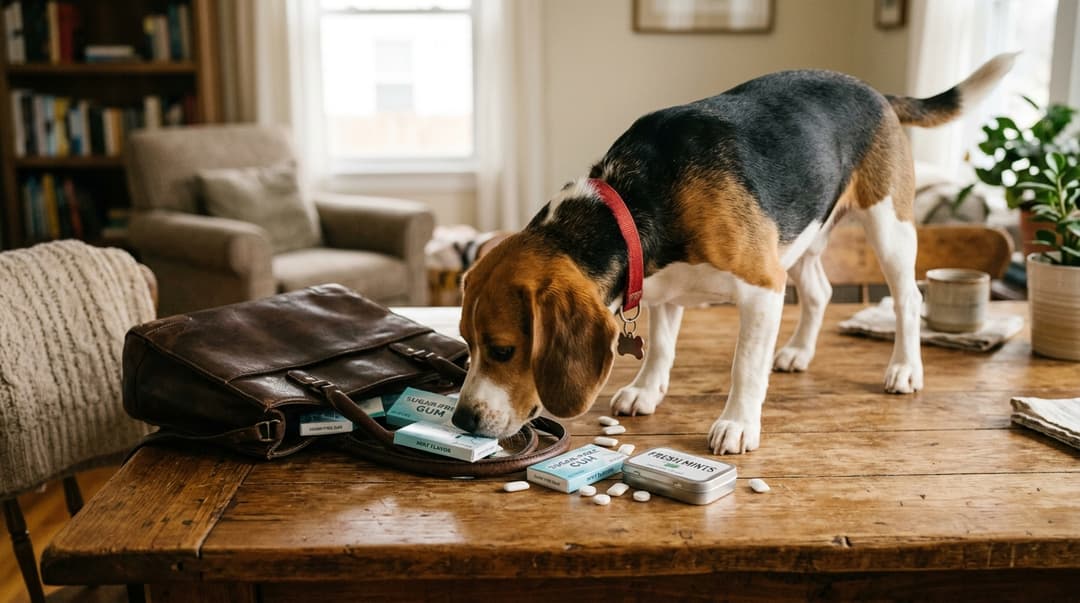
Read labels when sharing food, and keep bags of gum and mints where the dog cannot reach them, including in handbags and on coffee tables.
Xylitol in toothpaste
Pet Poison Helpline notes that amounts in pet oral-care products are small when used as directed. The problem is swallowing large amounts, such as a dog that gets into a tube. If you are unsure of the amount, use the calculator and call a poison line rather than assuming it is minor.
Cats and xylitol
Merck notes that cats are not at the same risk from xylitol as dogs. That does not mean it is safe for cats. Keep all xylitol products away from cats, and call a vet if your cat has eaten something containing it, because individual responses and other ingredients still matter.
Related tools and guides
- Grape & Raisin Toxicity Calculator
- Onion & Garlic Toxicity Calculator
- Dog Chocolate Toxicity Calculator
- Gabapentin Dosage Chart, which notes xylitol in some liquid formulations
- Toxicity Calculators hub
Questions about this calculator
Merck links doses above about 100 mg per kg with low blood sugar and above about 500 mg per kg with severe liver injury. Those are risk thresholds, not safe limits. A small dog can reach a dangerous dose from a single piece of gum, and content varies by brand. Any confirmed or suspected ingestion should be discussed with a vet or poison line.
The math, openly documented.
Weight & exposure
Pet weight and amount/product determine dose.
weight_kg · amount
Dose estimate
Compare with published veterinary thresholds.
dose = amount ÷ kg
Risk band
Map to call-vet / urgent / emergency actions.
band = tier(dose)
Action
Call vet or poison control — do not wait for symptoms.
ASPCA · Pet Poison Helpline
More from Health
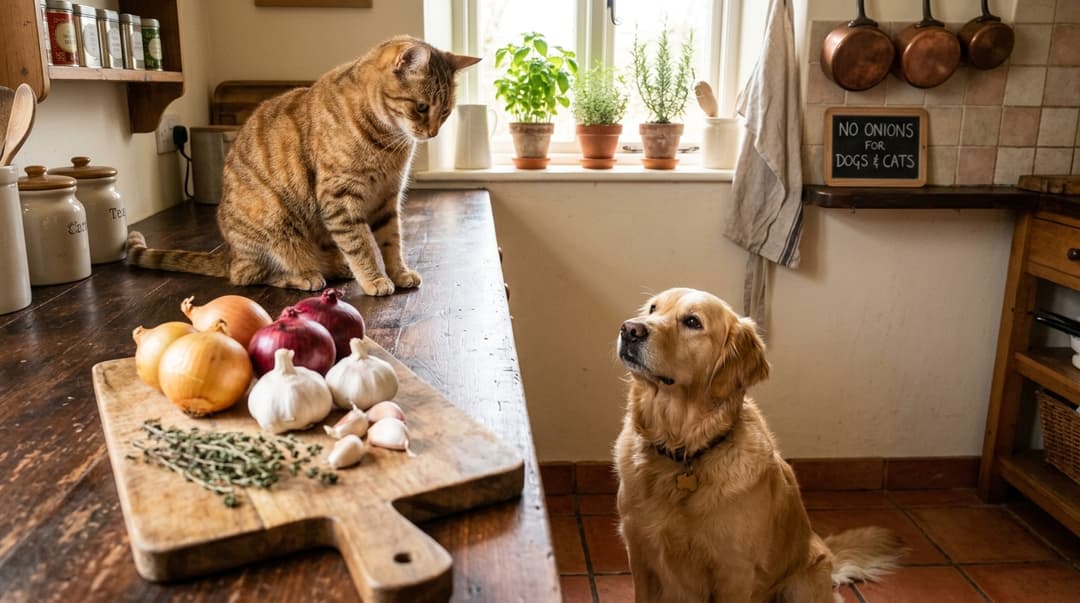
Onion & Garlic Toxicity Calculator
how much onion powder is toxic to dogs: How much onion powder, onion or garlic is toxic to your dog or cat? Enter weight
Open tool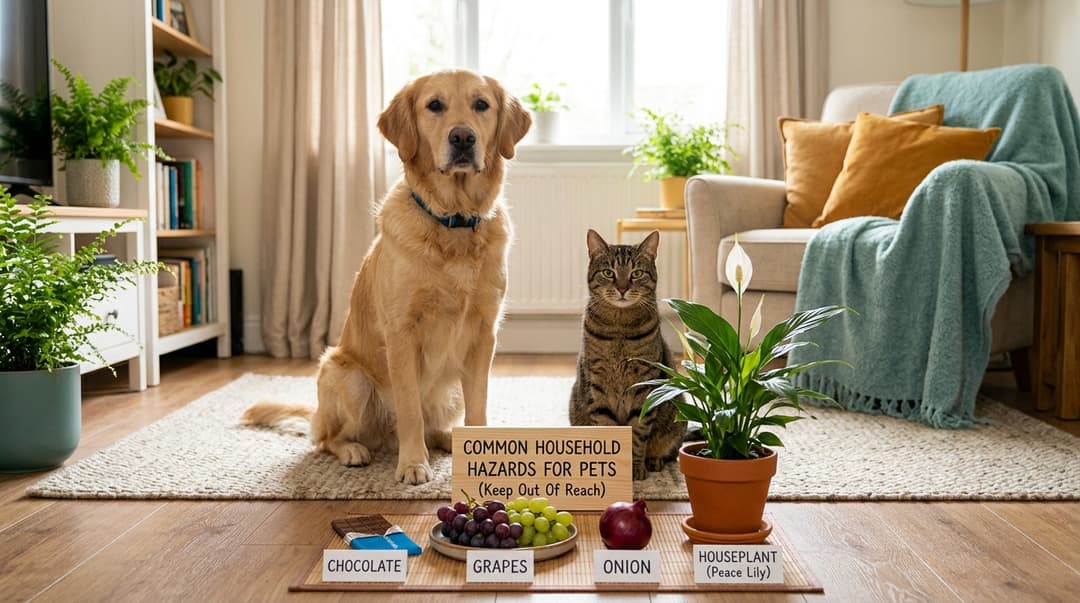
Toxicity calculators — check exposure by weight
dog toxicity calculator: Free toxicity calculators for dogs and cats — chocolate, grapes/raisins, xylitol, onion/garlic,
Open tool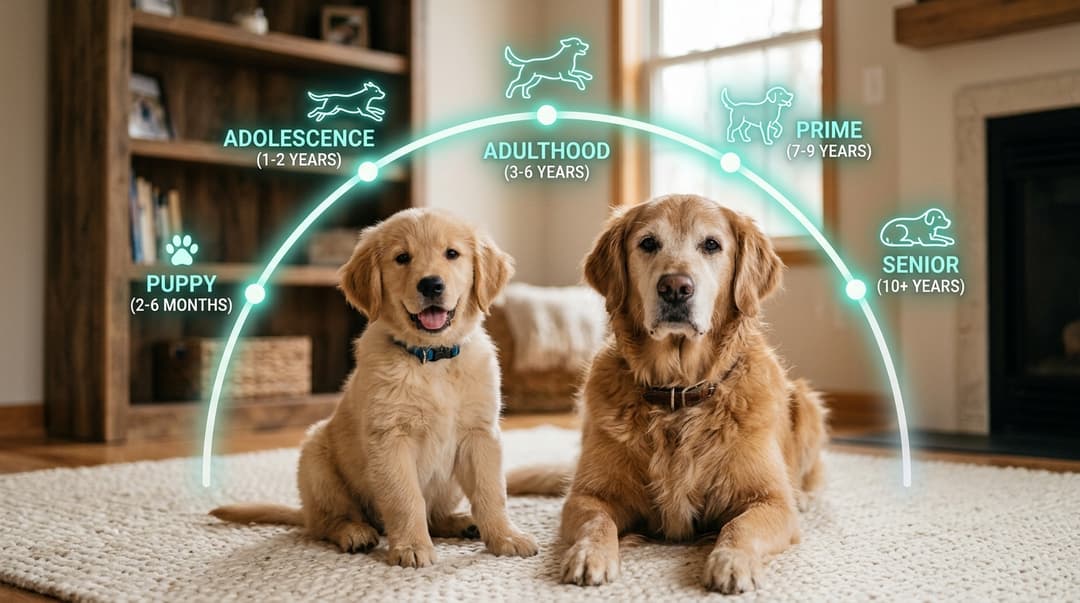
How Old Is Your Dog, Really?
Skip the "multiply by 7" myth. Our dog age calculator uses the size-adjusted formula vets actually reference, based on b
Open toolArticles from Insights

Got an edge case the calculator can't handle?
247 active threads about dog nutrition right now. Verified vets and experienced owners answer within hours.