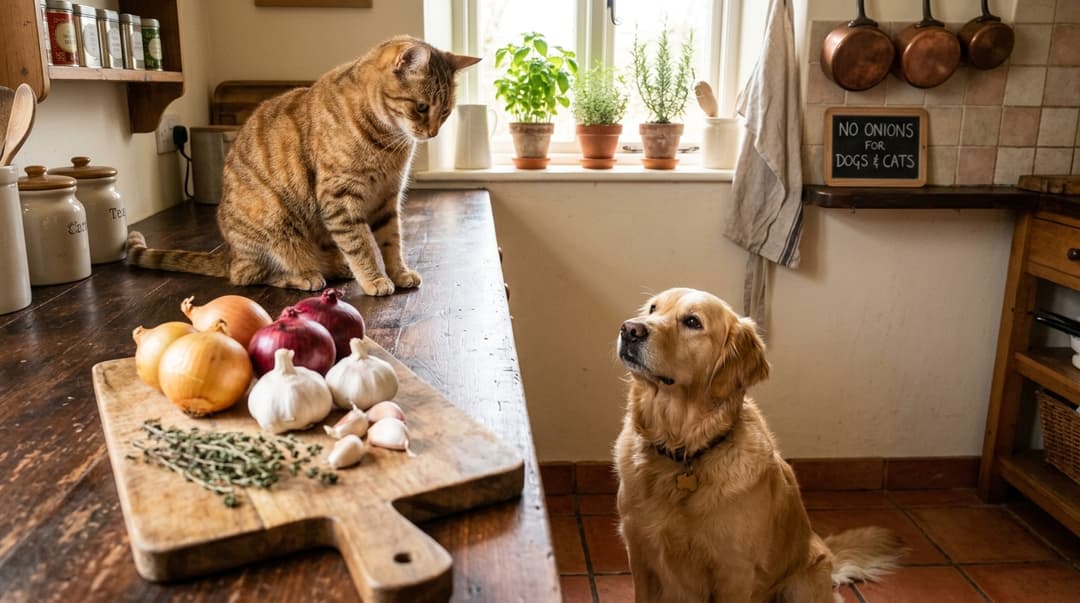
Onion & Garlic Toxicity Calculator
Your inputs
Results update live as you type.
1 tsp cooked onion ≈ 5 g; 1 medium onion ≈ 110 g
Your results
Live — updates as you change inputs.
Onion / garlic (Allium) exposure
Call your vet
Risk band
Onion-equivalent dose
1.1 g/kg
What to do now
Below the lowest dose Merck reports causing signs in dogs, but repeated small amounts add up and sensitivity varies. Call your vet.
Timeline
Heinz bodies within ~24 h (peak ~72 h); red-cell breakdown often 3–5 days after exposure.
Educational estimate only — not a diagnosis or prescription.
If toxic ingestion is possible, call your vet, an emergency clinic, ASPCA (888) 426-4435, or Pet Poison Helpline (855) 764-7661 (fees may apply).
Do not induce vomiting unless a veterinarian tells you to.
Veterinary reference only
Educational estimate only — not a diagnosis or prescription. If your pet ate something toxic, call your veterinarian, an emergency clinic, or a pet poison line now: ASPCA Animal Poison Control (888) 426-4435 or Pet Poison Helpline (855) 764-7661 (fees may apply).
Keep going with a related calculator.
The short answer: onion and garlic are a call-the-vet situation
Onion and garlic damage red blood cells in dogs and cats. The damage can take days to show, and early treatment works better than late treatment. If your pet has eaten a meaningful amount, call a veterinarian or a poison line now, even if the pet seems fine.
ASPCA Animal Poison Control: (888) 426-4435. Pet Poison Helpline: (855) 764-7661. Fees may apply.
Why onion and garlic are dangerous
Onion, garlic, leek, chives and shallots all belong to the Allium family. They contain compounds that oxidise haemoglobin, the protein that carries oxygen in red blood cells. The damaged cells develop structures called Heinz bodies, which the spleen removes from circulation. The result is haemolytic anaemia: the red cell count drops over the next few days, and the body struggles to deliver oxygen.
This is a cumulative and delayed injury. A single large dose can cause problems, and repeated small amounts can add up. Dogs and cats are both affected, but cats are considerably more sensitive.
What the thresholds mean
Merck reports clinical signs in dogs after about 15 to 30 g per kg of raw onion. The calculator uses that range for onion. It treats garlic as up to five times as potent, so the same effect can occur at about one-fifth of the onion amount. That is why the garlic band is stricter at the same weight.
Cats are more susceptible. Toxicosis has been reported after less than a teaspoon of cooked onion, so for cats the calculator should be read as a call-the-vet signal even at low amounts.
These thresholds are reference points, not safe limits. Individual sensitivity varies, and the anaemia can develop even when the amount looks small.
Worked examples
Example 1: a 10 kg (22 lb) dog and a large portion of onion-heavy gravy. Merck's onion range for a 10 kg dog is about 150 to 300 g of raw onion. Gravy contains onion in a smaller and less predictable amount, so the exposure is uncertain. The calculator treats an unknown amount conservatively, and the vet should hear about it.
Example 2: a 10 kg dog and garlic in a stir-fry. Garlic is treated as about five times as potent as onion, so the equivalent onion amount is much lower than the amount of garlic itself. Even a few cloves can reach a concerning band for a small dog. Call a vet.
Example 3: a 4 kg (9 lb) cat and a teaspoon of cooked onion. Cats are far more sensitive than dogs, and toxicosis has been reported after less than a teaspoon of cooked onion. This is a call-now situation, regardless of the cat's apparent condition.
These examples show how the calculator reasons. They are not a way to decide whether a dose is safe.
What to do now
- Remove any remaining onion or garlic from your pet's reach, and check the floor and the pet's mouth.
- Estimate the amount and note the time. Write down the food, the approximate weight of onion or garlic, and when it was eaten.
- Weigh your pet if you can, or use the most recent weight from the vet.
- Call a vet or poison line. Tell them the weight, the amount and the time. Do not induce vomiting at home unless a vet or poison line tells you to.
- Ask how long to monitor. Because anaemia develops over days, ask the vet how long they want you to watch and what signs should prompt a return visit.
Signs and timeline
- First hours: vomiting, diarrhoea, drooling, abdominal pain, or reduced appetite. These are the stomach-upset signs that often appear first.
- Day 1 to 3: weakness, lethargy, fast or laboured breathing, pale or yellow gums, and dark, red-brown or coffee-coloured urine.
- Several days: anaemia may need hospital care, and in severe cases a blood transfusion. Blood tests, including a complete blood count and a check for Heinz bodies, are the most reliable way to see how far it has progressed.
Because the anaemia appears late, a pet who seems fine on day one can still be in trouble on day three. Keep monitoring for the period the vet recommends.
What the vet will do
Treatment depends on the amount eaten, how recently, and the pet's condition. Common steps include:
- Decontamination such as inducing vomiting, if the ingestion was recent and the vet judges it useful.
- Bloodwork to check the red cell count and look for Heinz bodies, often repeated over several days.
- IV fluids to support the kidneys and maintain circulation.
- Blood transfusion if the anaemia becomes severe.
- Hospital monitoring for pets with significant anaemia or breathing changes.
Treatment is more effective when it starts early, before the anaemia is advanced.
Where onion and garlic hide
- Gravy, stock, and soup bases, including many store-bought broths and bouillon cubes.
- Seasonings and spice blends that list onion or garlic powder, including some baby foods and some pet treats.
- Takeaway sauces, pizza, stir-fries, and chutneys.
- Human food scraps left on plates, in bins, or on the floor.
- Some dog treats and dental products. Check labels.
Onion and garlic powder are the most concentrated forms. A small amount of powder can contain far more of the active compounds than a whole onion, so powdered products deserve particular caution.
Onion and garlic in cooked food
Cooking does not remove the risk. Cooked onion, fried onion, garlic-infused oil and onion powder all carry the same compounds, and cats are sensitive even to small cooked amounts. If you cook for a pet, leave out Allium ingredients entirely rather than trying to measure a safe quantity.
Onion, garlic and the other food checks
Onion and garlic often come up alongside other "can dogs eat" questions. The Food Safety Checker answers whether a specific food is safe, and the Toxicity Calculators hub covers the other common risks.
Related tools and guides
- Dog Chocolate Toxicity Calculator
- Cat Chocolate Toxicity Calculator
- Grape & Raisin Toxicity Calculator
- Xylitol Toxicity Calculator
- Toxicity Calculators hub
Questions about this calculator
Merck reports clinical signs in dogs after roughly 15 to 30 g per kg of raw onion. For a 10 kg dog, that is about 150 to 300 g of raw onion. Those are signs-of-toxicity ranges, not safe limits. Cooked onion can be just as harmful, and onion powder is far more concentrated, so any meaningful exposure should be discussed with a vet.
The math, openly documented.
Weight & exposure
Pet weight and amount/product determine dose.
weight_kg · amount
Dose estimate
Compare with published veterinary thresholds.
dose = amount ÷ kg
Risk band
Map to call-vet / urgent / emergency actions.
band = tier(dose)
Action
Call vet or poison control — do not wait for symptoms.
ASPCA · Pet Poison Helpline
More from Health
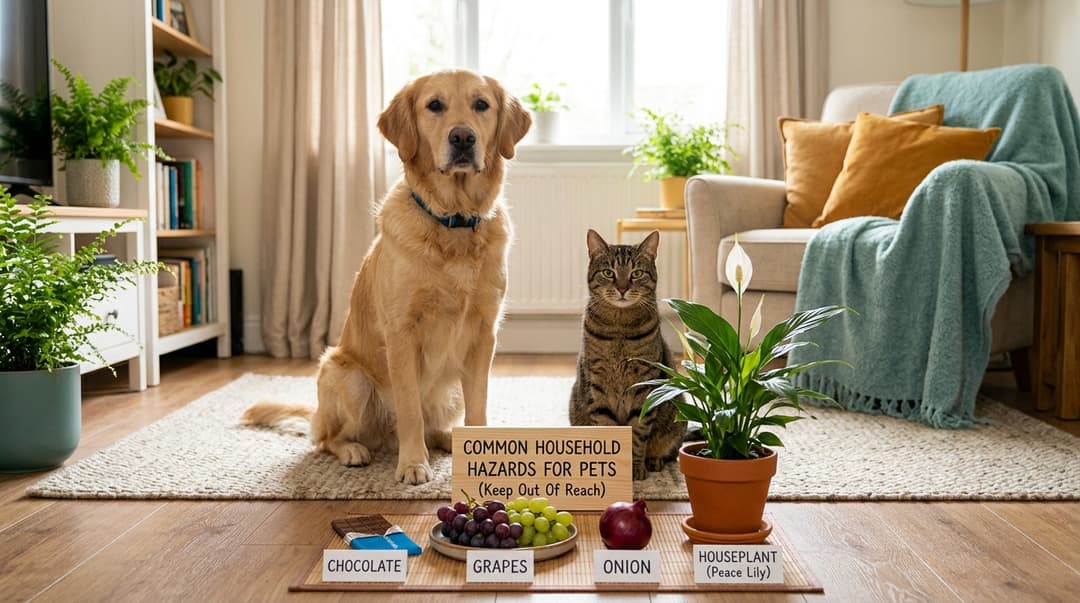
Toxicity calculators — check exposure by weight
dog toxicity calculator: Free toxicity calculators for dogs and cats — chocolate, grapes/raisins, xylitol, onion/garlic,
Open tool
How Old Is Your Dog, Really?
Skip the "multiply by 7" myth. Our dog age calculator uses the size-adjusted formula vets actually reference, based on b
Open tool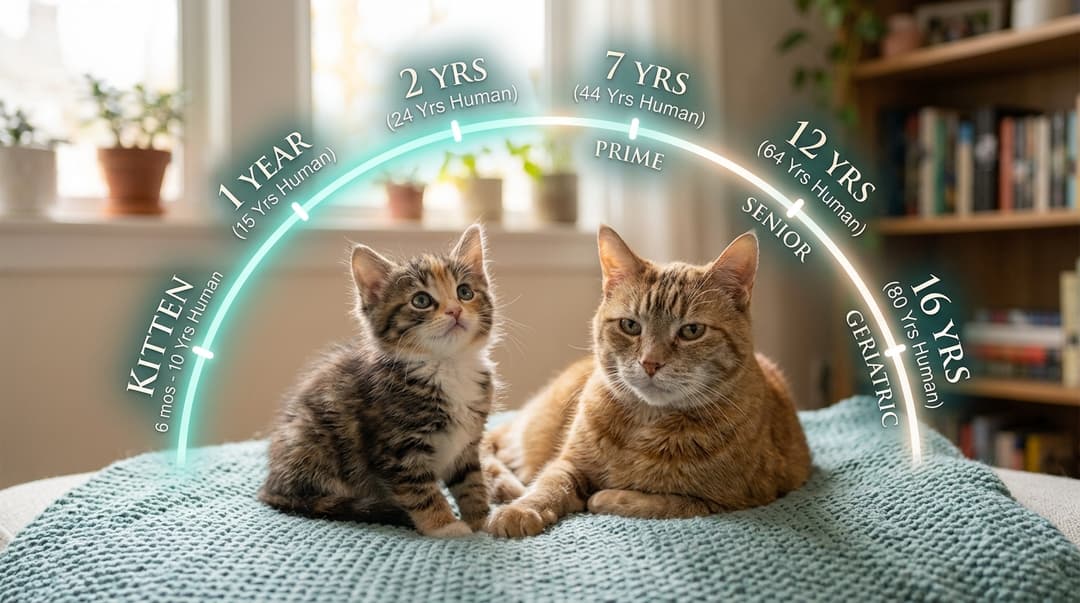
How Old Is Your Cat in Human Years?
cat age calculator: Find out your cat's real human-equivalent age with the vet-referenced formula — not the outdated "mu
Open toolArticles from Insights



Got an edge case the calculator can't handle?
247 active threads about dog nutrition right now. Verified vets and experienced owners answer within hours.