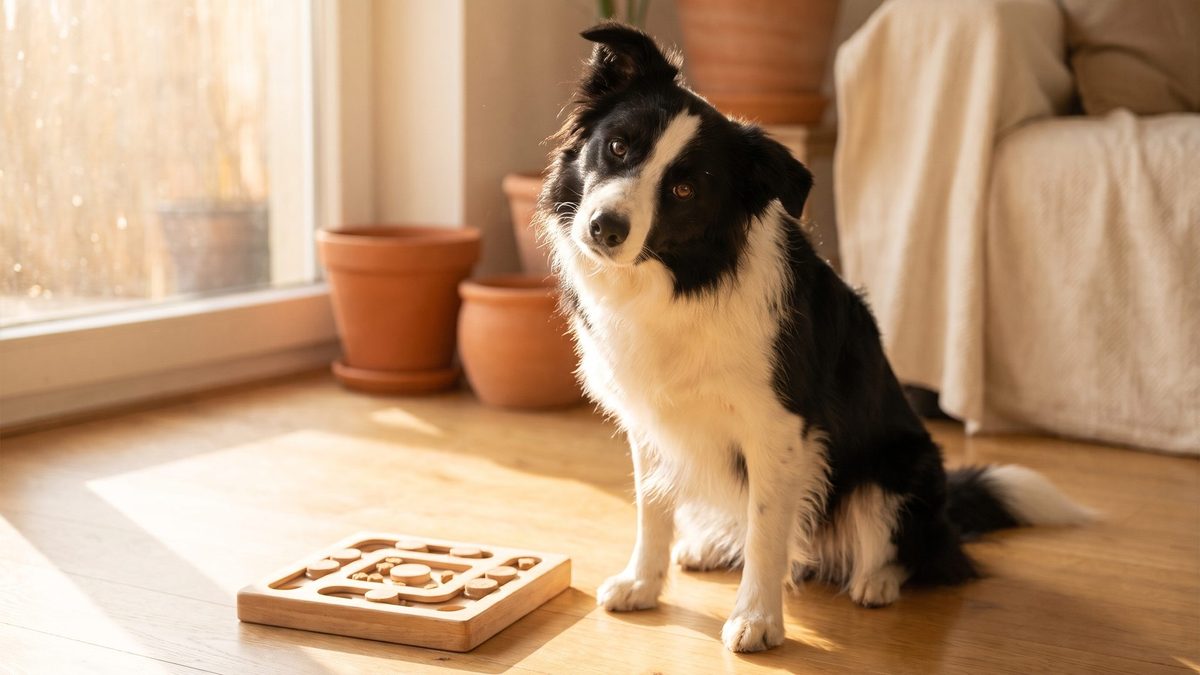
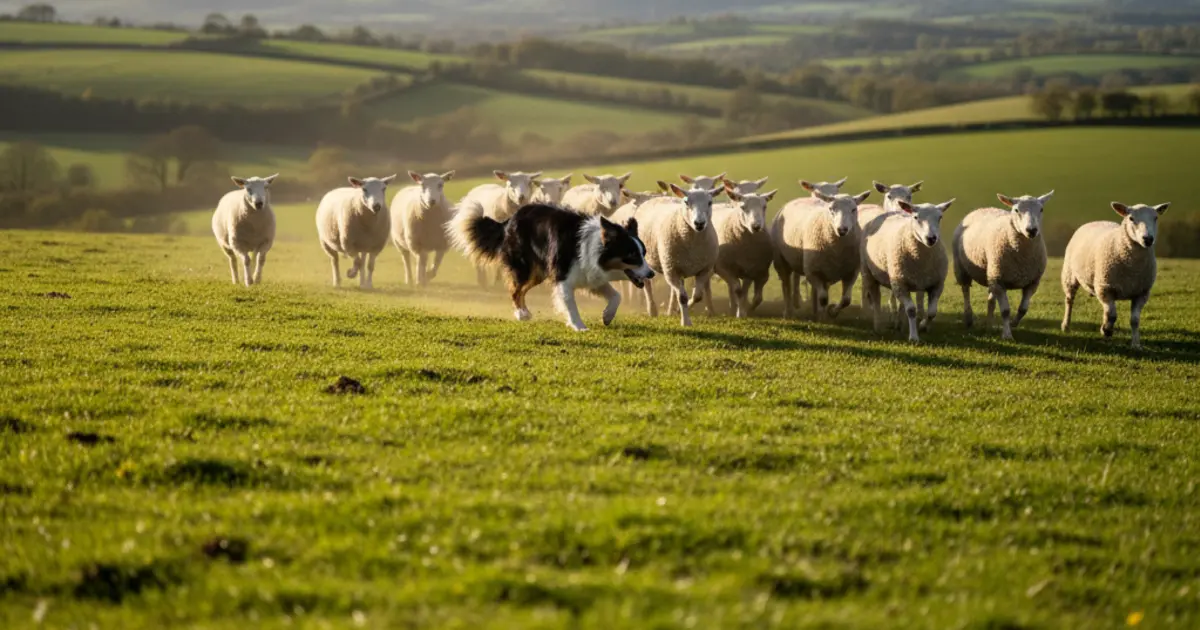
The smartest dog breeds, according to the most widely cited ranking, are the Border Collie, Poodle, German Shepherd, Golden Retriever and Doberman Pinscher. That list comes from psychologist Stanley Coren's book The Intelligence of Dogs, which ranked breeds by how quickly they learn commands and how reliably they obey, based on a survey of obedience judges. It measures trainability, which is only one part of canine intelligence.
Smartest dog breeds: Coren's top 10
| Rank | Breed | Typical strengths |
|---|
| 1 | Border Collie | Herding, agility, learning new tasks fast |
| 2 | Poodle | Eager to please; excels in obedience and tricks |
| 3 | German Shepherd | Working, service and police roles |
| 4 | Golden Retriever | Friendly, trainable, retrieving, guide work |
| 5 | Doberman Pinscher | Alert, loyal, strong learners |
| 6 | Shetland Sheepdog | Herding, agility, sensitive to cues |
| 7 | Labrador Retriever | Service, retrieving and family work |
| 8 | Papillon | Small, quick learner, good in agility |
| 9 | Rottweiler | Strong guarding and working background |
| 10 | Australian Cattle Dog | Herding, stamina, problem solving |
Coren's ranking continues beyond the top 10, with breeds such as the Pembroke Welsh Corgi, Miniature Schnauzer and English Springer Spaniel following. The top group was described as understanding new commands in fewer than five repetitions and obeying a first command most of the time.
What the ranking measures, and what it misses
Coren described three types of dog intelligence:
- Instinctive intelligence: what a breed was bred to do, such as herding, retrieving or tracking.
- Adaptive intelligence: how well a dog solves problems and learns from its environment.
- Working and obedience intelligence: how well a dog learns and follows human commands.
The popular list is based mainly on the third type. A dog that ranks low in obedience is not necessarily less intelligent. Independent breeds such as the Afghan Hound and Basenji sit near the bottom of Coren's list, but that partly reflects breeds that were bred to hunt on their own, not to wait for instructions. Individual dogs also vary a lot within every breed, so treat the ranking as a general tendency, not a prediction.
Research on dog cognition has grown since Coren's book. A 2011 study in the journal Behavioral Processes reported that a Border Collie named Chaser learned the names of over 1,000 objects, showing how much some dogs can learn with consistent training. It is one dog, and it does not mean every Border Collie can do the same.
Smart does not mean easy
Highly trainable breeds often need a lot of exercise and mental work. A bored Border Collie, Australian Cattle Dog or Poodle can invent its own jobs, such as chewing, herding children, barking or digging. Smart dogs learn bad habits as quickly as good ones.
- High-drive working breeds need daily exercise, training and purpose. See our guide to how far to walk your dog by breed and age.
- Retriever breeds such as Labs and Goldens are trainable and friendly but need consistent training in their first years. See Golden Retriever vs Labrador.
- Small smart breeds such as Papillons and Poodles can be excellent in apartments if their minds are kept busy. See best dog breeds for apartments.
Which smart breeds suit which homes
| Your situation | Breeds to consider | Watch out for |
|---|
| Active, outdoor lifestyle | Border Collie, Australian Cattle Dog, Labrador | Needs a lot of exercise and mental work |
| Family with kids | Golden Retriever, Labrador, Poodle | Start training early; supervise young children |
| Apartment | Poodle (miniature or toy), Papillon | Barking, boredom |
| First-time owner | Golden Retriever, Labrador, Poodle | Choose based on your time and energy |
| Training-focused hobbies (agility, obedience) | Border Collie, Shetland Sheepdog, German Shepherd | Intense drive; need structure |
How to make any dog smarter and happier
Intelligence in practice depends a lot on training and enrichment, not just breed.
- Start early. Puppies learn quickly. See our 8-week-old puppy guide and crate training schedule.
- Use short, positive sessions. Five to ten minutes of reward-based training beats long sessions.
- Teach new skills. Tricks, scent games and agility keep a dog's brain active.
- Use puzzle feeders and toys.
- Be consistent. Everyone in the home should use the same cues.
- Socialize. A well-socialized dog is easier to live with.
Intelligence and training in everyday life
In daily life, the "smartest" dog is often the one whose abilities match what you ask of it. A Labrador that happily learns cues but is food-motivated may be easier for a beginner than a sensitive, intense herding dog. Pay attention to what motivates your dog, whether it is food, toys, praise or work, and use that in training. Dogs also go through adolescent phases when they seem to forget everything, so patience and consistency matter more than rank on a list.
Choosing a breed
A smart breed is only a good fit if its energy and drive match your lifestyle. Use our breed selector to compare breeds by size, energy and care needs, and check our dog breed selector guide and compatibility guide before you decide. This guide is general education, and every dog is an individual.
Related guides
Swap experiences with other owners on the PawTalk breeds forum.
This guide is general education from the PawCalculator team, not veterinary advice. Sources: Stanley Coren's The Intelligence of Dogs, the American Kennel Club and a 2011 Border Collie study in the journal Behavioral Processes. Every dog and cat is an individual; talk to your veterinarian about your pet's needs.