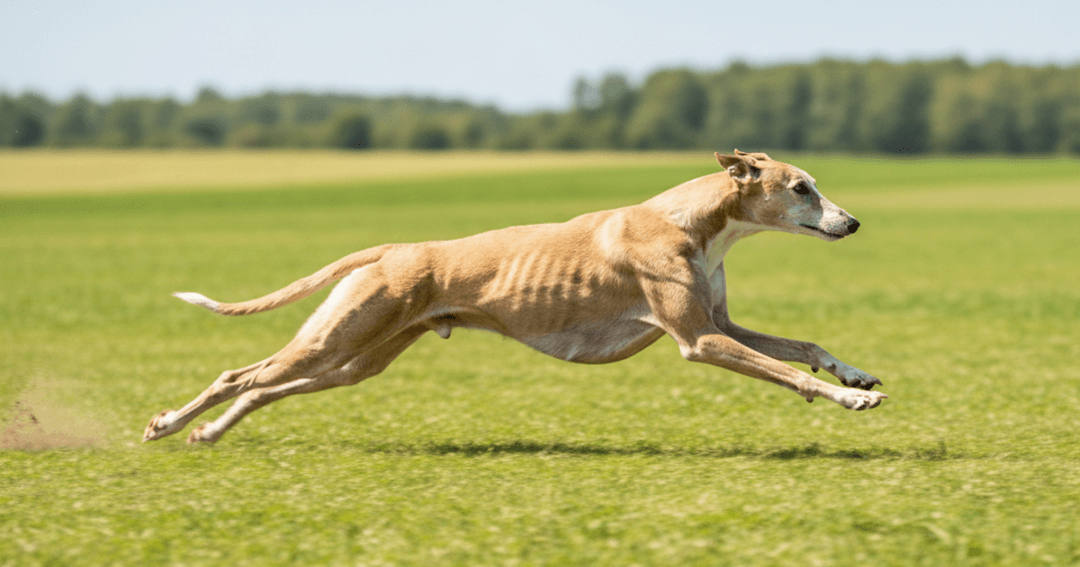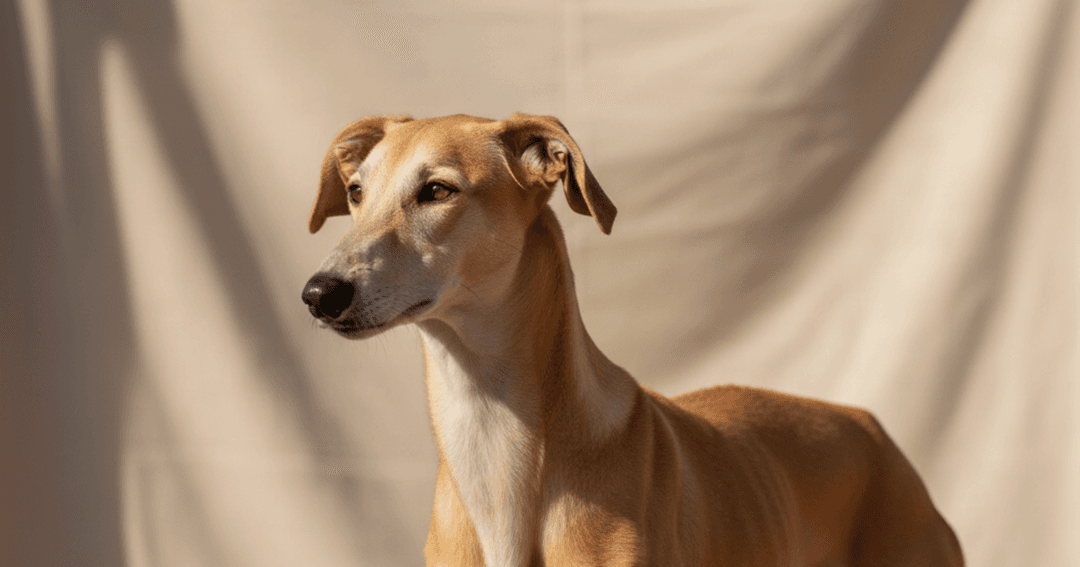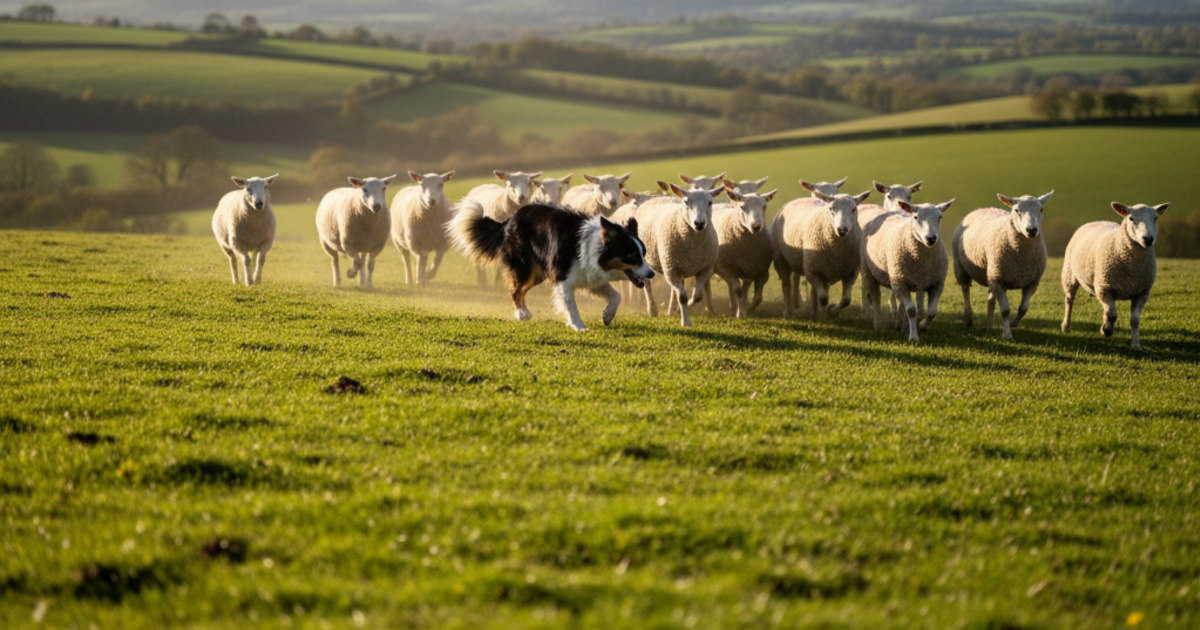
"Sheep dog" covers several herding breeds that were developed to move and manage flocks, including the Border Collie, Old English Sheepdog, Shetland Sheepdog, Australian Shepherd and Bearded Collie. They are intelligent, energetic and trainable, but they need daily exercise, mental work and, in many cases, regular grooming.
If you are searching for a sheep dog breed, you may be picturing the classic farm collie, the shaggy Old English Sheepdog or a small, elegant Sheltie. Herding breeds share an instinct to gather, control and respond to their handler, and that instinct shapes how they live in a home. This guide compares the best-known sheepdog breeds on size, energy, grooming and family suitability, explains how herding dogs differ from livestock guardian dogs, covers training, exercise and health, and helps you choose. Use the breed selector to compare breeds side by side.
Herding dogs vs livestock guardian dogs
People often use "sheep dog" for both groups, but they do different jobs.
| Type | Job | Examples | Style |
|---|---|---|---|
| Herding dogs | Move and control livestock under the handler's direction | Border Collie, Old English Sheepdog, Shetland Sheepdog, Australian Shepherd | Active, responsive and trained to work with a person |
| Livestock guardian dogs | Live with livestock and protect them from predators | Great Pyrenees, Anatolian Shepherd, Maremma Sheepdog | Calm, independent and territorial |
This article focuses on herding breeds, with a short note on guardians at the end.
Quick comparison of popular sheep dog breeds
| Breed | Typical size | Energy | Grooming | Good for |
|---|---|---|---|---|
| Border Collie | About 30-55 lb, 18-22 in | Very high | Moderate | Active owners, dog sports |
| Old English Sheepdog | About 60-100 lb, 21 in or more | Moderate to high | Very high | Families who love grooming, space |
| Shetland Sheepdog (Sheltie) | About 15-25 lb, 13-16 in | Moderate to high | High | Families, smaller homes with exercise |
| Australian Shepherd | About 40-65 lb, 18-23 in | Very high | Moderate | Active families, ranch or sport homes |
| Bearded Collie | About 45-55 lb, 20-22 in | High | High | Active families who enjoy a bouncy dog |
| Briard | About 65-100 lb | Moderate to high | High | Experienced owners, large space |
Sizes are typical ranges and individuals vary.
Border Collie
Often called the world's best herding dog, the Border Collie is extremely intelligent, athletic and intense. It excels at agility, obedience and herding trials, and it needs a job. Without enough exercise and mental work, a Border Collie can become anxious, destructive or obsessive, and may try to herd children or cars. It suits experienced, active owners.
Old English Sheepdog
Known for its shaggy coat and bear-like gait, the Old English Sheepdog is friendly, clownish and loyal. It is large and needs significant grooming, with frequent brushing to prevent mats and regular professional trims for many owners. It is usually good with families but can be boisterous. Exercise needs are moderate to high.
Shetland Sheepdog
The Sheltie looks like a miniature rough collie. It is bright, sensitive and eager to please, and it can be vocal, with a tendency to bark. Shelties do well in families and smaller homes when their exercise and training needs are met. They shed and need regular brushing.
Australian Shepherd
Despite the name, the Australian Shepherd was developed in the United States. It is smart, athletic and loyal, with a strong herding drive. Aussies need a lot of exercise and mental stimulation, and they can nip heels or herd family members. Their coat is moderate to care for, and some have striking merle patterns, which need responsible breeding to avoid health problems.
Bearded Collie
The Beardie is a bouncy, cheerful and affectionate herding dog with a long, shaggy coat. It is energetic and sociable, and it needs regular brushing. It does well with active families that enjoy outdoor activity.
Briard
The Briard is a large, loyal French herding and guarding breed with a long, flowing coat. It is protective and intelligent and benefits from experienced handling and early socialization.
Livestock guardian breeds in brief
Breeds such as the Great Pyrenees, Anatolian Shepherd and Maremma Sheepdog are bred to live with and protect flocks. They tend to be calm, independent and protective, and they can bark at night. They are not typical herding dogs, and they need space, fencing and an owner who understands guardian temperament.
Living with a herding breed
Herding dogs often show instincts that can surprise new owners:
- Herding family members, by nipping heels or circling
- Chasing moving objects such as cars, bikes and joggers
- Barking and alertness
- Sensitivity to motion and sound
- Need for a task, even simple ones such as fetch, training or puzzle games
Good outlets include:
- Daily brisk walks, runs or hikes
- Fetch, frisbee and flirt-pole games
- Agility, obedience, rally and herding classes
- Nose work and tracking
- Puzzle feeders and trick training
Training and socialization
- Start socialization early with people, dogs, sounds and places.
- Use positive reinforcement. Herding dogs are sensitive and respond well to rewards.
- Teach impulse control, such as settle on a mat and wait at doors.
- Redirect herding behavior with toys and cues rather than punishment.
- Provide structure. These dogs thrive on routine.
- Keep sessions short and varied to avoid boredom.
Grooming
Needs range from moderate to intensive.
- Double-coated breeds (Border Collie, Aussie, Sheltie) shed seasonally, and need brushing several times a week.
- Long-coated breeds (Old English Sheepdog, Bearded Collie, Briard) need thorough brushing to the skin and often professional grooming.
- All breeds need nail trims, ear checks and tooth brushing.
Health considerations
Herding breeds have some shared and breed-specific issues:
- Hip and elbow dysplasia in many breeds
- MDR1 gene mutation in many herding breeds, including Collies, Australian Shepherds and Shelties, which makes dogs sensitive to certain drugs. Ask your vet about testing.
- Collie eye anomaly and other eye conditions
- Epilepsy in some lines
- Hypothyroidism and autoimmune disease in some breeds
- Deafness in merle and white-patterned dogs in some lines
Choose breeders who health-test, and ask about the parents' results.
Feeding a herding dog
Energy needs vary widely with size and activity. Feed a complete-and-balanced diet for your dog's life stage, measure portions and keep your dog lean.
Worked example
A 20 kg (44 lb) neutered adult Border Collie with an active lifestyle.
- Resting energy: RER = 70 × 20^0.75 = 70 × 9.46 = about 662 kcal.
- Typical neutered adult: 662 × 1.6 = about 1,059 kcal per day.
- Active working or sport dog: 662 × 1.8 = about 1,192 kcal per day, and more for heavy work.
- If the food is 3,900 kcal per kg: 1,192 ÷ 3.9 = about 306 g per day.
- Two meals of about 153 g each.
- Treat budget: about 119 kcal, or 10% of 1,192, which is helpful for training sessions.
- Weigh every 2-4 weeks and adjust by about 10% as needed.
Use the dog calorie calculator to estimate your dog's needs.
Choosing the right sheep dog breed
- Be honest about your activity level. Border Collies and Australian Shepherds need far more than a short daily walk.
- Consider grooming time and cost. Long-coated breeds take real effort.
- Think about size and space.
- Consider kids and other pets. Herding instincts can affect interactions.
- Check for training time and experience.
- Meet adults of the breed and talk to owners and breeders.
- Consider rescues. Many herding breeds and mixes end up in shelters because their energy overwhelmed their owners.
When to call your vet
Contact your vet if your dog limps, has trouble rising, shows seizures, eye changes, repeated ear infections, weight changes, lethargy or skin problems. Ask about MDR1 testing before using certain medications. For suspected poisoning, call the ASPCA Animal Poison Control Center at 888-426-4435 or the Pet Poison Helpline at 855-764-7661 (fees may apply).
The bottom line
Sheep dog breeds are brilliant, loyal and demanding. Pick the one that matches your activity level, home and grooming tolerance, then give it a job. Compare options with the breed selector, and plan feeding with the dog calorie calculator.
Frequently asked questions
PawCalculator Editorial
We combine veterinary references, published guidelines, and calculator-grade modeling. This article is for education, not a substitute for an exam.
+ Follow on PawTalk