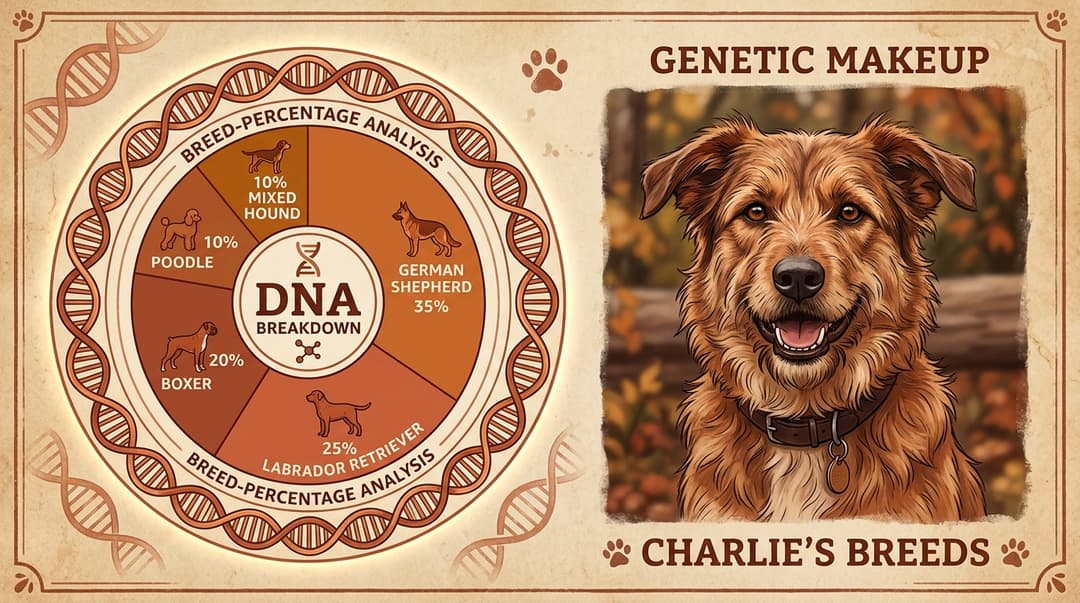
What's the Breed Mix of Your Dog?
Your inputs
Results update live as you type.
Your results
Live — updates as you change inputs.
Likely breed matches
33% trait match
#1 Golden Retriever
#2 Labrador Retriever
33% trait match
#3 Border Collie
33% trait match
Trait-based estimate — not genetic percentages.
DNA tests ($70–150) provide actual ancestry breakdowns.
Veterinary reference only
Not a percentage breakdown — only DNA testing can produce that.
Keep going with a related calculator.
What's the Breed Mix of Your Dog?
A trait-based percentage estimate can suggest a likely dominant breed influence, but it can't produce the confident percentage breakdowns ("38% Labrador, 22% Poodle...") that only actual DNA testing provides — commercial dog DNA tests, running roughly $70-150 depending on the panel size and company, analyze genetic markers directly against a reference database of breed profiles. This page gives a trait-based starting estimate and explains what a DNA test would add if you want precision, particularly useful for identifying breed-specific health risks tied to your dog's actual ancestry.
How to use this calculator
Select size and coat type. The calculator suggests a likely dominant breed influence based on how strongly those traits correlate with specific breed groups — it does not attempt to output a precise percentage split, since trait-based tools genuinely can't do that reliably.
What DNA testing adds beyond this estimate
| This calculator | A DNA test |
|---|---|
| Trait-based inference | Direct genetic marker analysis |
| Likely dominant influence | Confident percentage breakdown across generations |
| Free | $70–150 typically |
| No health-marker screening | Often includes breed-linked health risk markers |
Understanding your results
Read the result as "probably influenced by," not "X% of this breed" — the confident percentage breakdowns you see advertised by DNA testing companies come from comparing actual genetic markers against a reference database, which is a fundamentally different (and more precise) method than inferring from visible traits. Where this tool is still useful: it's a free starting point, and if a dominant influence it suggests carries known breed-specific health risks (certain cancers, hip dysplasia, cardiac conditions are the common categories), that's worth a heads-up conversation with your vet even before you decide whether a DNA test is worth the $70–150 it typically costs.
Percentage estimates from DNA tests aren't infinitely precise either. Even genetic testing has margin of error, especially for ancestry several generations back — a "12% Beagle" result reflects the test's reference database and algorithm, not an exact pedigree record, though it's meaningfully more precise than trait inference.
Health-risk screening is often the strongest reason to upgrade to a DNA test. If your dog's suggested dominant breed influence carries known elevated risk for a specific condition, a DNA test's health marker panel (included with many commercial tests) can flag that risk directly rather than just confirming ancestry.
What to do with a suggested breed influence
Once this tool suggests a likely dominant influence, the most useful next step is researching that specific breed's known traits and health predispositions rather than treating the result as a final answer to file away. If the suggested influence is a herding breed, for example, understanding typical herding-breed traits (high exercise and mental stimulation needs, potential for nipping/chasing behaviors rooted in herding instinct) can genuinely inform training and enrichment decisions even without DNA confirmation, since these traits often show up regardless of exact percentage. If the suggested influence carries a well-documented health predisposition — certain terrier breeds and specific cancers, large working breeds and hip dysplasia, brachycephalic-adjacent breeds and breathing sensitivity — proactively mentioning that possibility to your vet, even from a trait-based guess, can inform which preventive screenings are worth prioritizing earlier rather than waiting for symptoms.
Choosing a DNA test if you decide to upgrade
If the trait-based estimate here motivates you to get an actual DNA test, a few factors are worth comparing across providers beyond price alone. Reference database size matters more than most other specs — a company with a larger, more geographically diverse breed database generally produces more granular and reliable results, particularly for detecting minor ancestry components that a smaller database might miss entirely. Whether the panel includes health-marker screening (not just breed identification) is the other major differentiator, and for many owners it's the more valuable half of the test, since it can flag specific genetic health risks directly rather than just inferring elevated risk from breed ancestry. Turnaround time and whether results include a full multi-generational breakdown versus just a dominant-breed summary are secondary considerations worth checking against your specific reason for testing — curiosity alone has different requirements than screening for actionable health information.
When to consult a professional
For health, dosage, or nutrition decisions, always confirm calculator output with your veterinarian. This tool provides reference estimates, not medical advice.
Questions about this calculator
Not reliably — percentage breakdowns require analyzing actual genetic markers, which only DNA testing can do; trait-based tools can suggest a likely dominant influence but not a confident percentage split.
The math, openly documented.
Inputs
Enter the details that affect your estimate.
weight · age · breed
Normalize
Validate ranges and convert units when needed.
lbs ↔ kg
Calculate
Veterinary or industry-standard formulas applied.
result = f(inputs)
Results
Clear outputs with context and disclaimers.
display + notes
More from Breeds

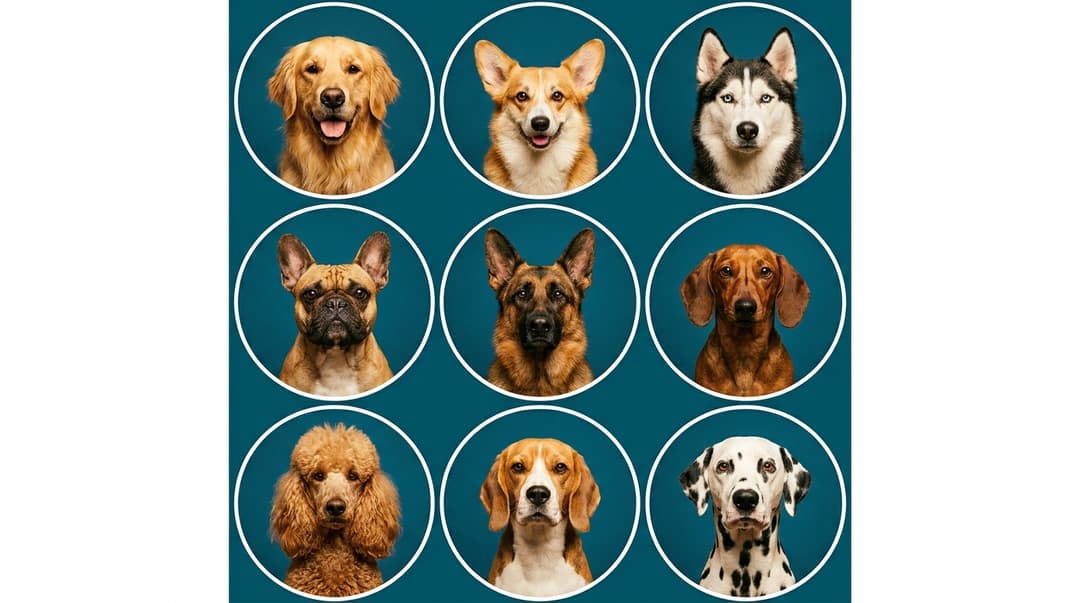
What Breeds Make Up Your Dog?
dog breed identifier: A trait-based identifier quiz for mixed-breed dogs — size, coat, ear shape, and behavior patterns,
Open tool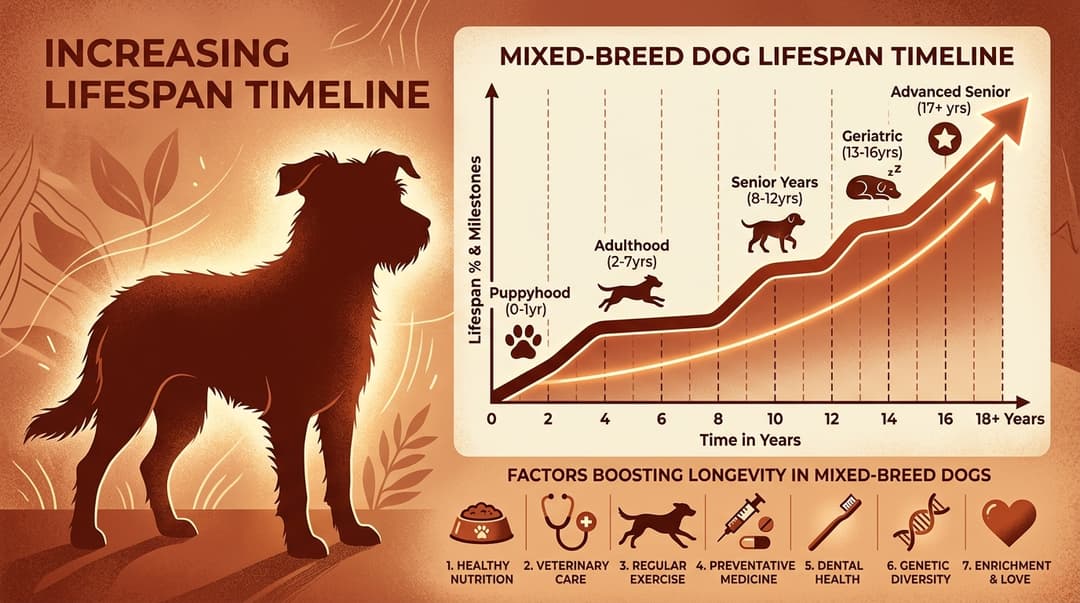
How Long Will Your Mixed-Breed Dog Live?
mixed breed dog life expectancy calculator: Mixed-breed dogs often outlive purebreds of similar size — here's what actua
Open toolArticles from Insights


Got an edge case the calculator can't handle?
247 active threads about dog nutrition right now. Verified vets and experienced owners answer within hours.