Why "Good With Kids" Isn't a Breed Fact
Ask ten people which breeds are "good with kids" and you'll get ten confident, overlapping, occasionally contradictory lists. Labradors. Golden Retrievers. Beagles. Boxers. The lists aren't wrong, exactly — they're just answering the wrong question. A breed tells you a tendency, not a guarantee. Individual temperament, socialization history, and how a specific introduction is handled matter more than the label on the adoption paperwork.
That's the gap a compatibility check is actually built to close: it starts from breed-level tendencies (energy, bite inhibition history, prey drive, independence) and layers individual signals on top — because the friendliest breed on paper can still be a bad match for your household, and a breed with a rougher reputation can be the calmest dog in the room.
What Breed Tendencies Actually Predict
Breed groups were mostly shaped around a job, not a personality type, and the job leaves fingerprints that show up generations later.
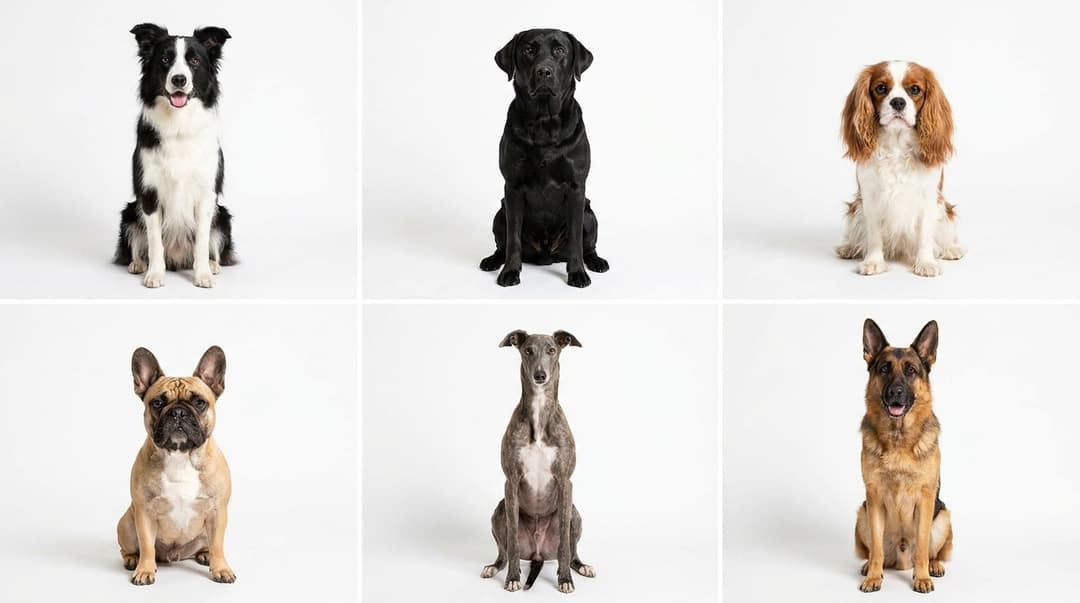
Herding breeds (Border Collies, Australian Shepherds, Corgis) were bred to control movement — which can translate into nipping at running children's heels, not out of aggression but out of instinct doing exactly what it was selected for.
Terriers were bred to chase and dispatch small, fast-moving animals. That drive doesn't distinguish between a rat and a family cat or a smaller dog, which matters a lot if compatibility with existing pets is the actual question.
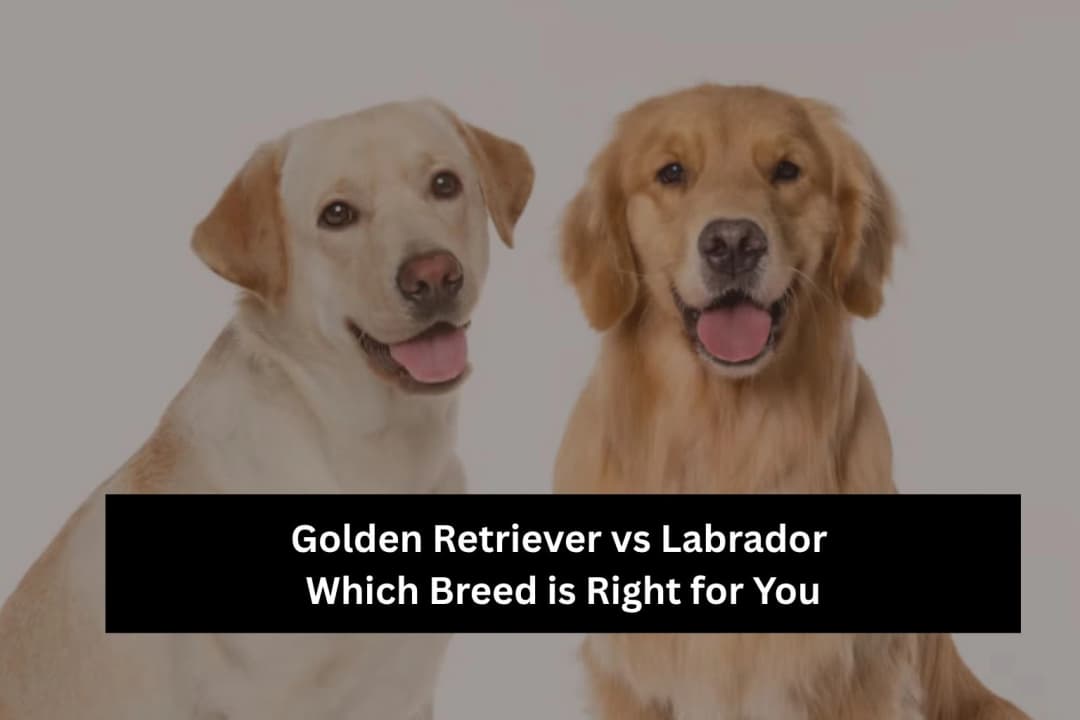
Retrievers and many sporting breeds were selected for a soft mouth and a strong desire to work with people, which is a big part of why they show up so often on "good with kids" lists — but a sporting breed with too little exercise can become mouthy and jumpy out of pent-up energy rather than temperament.
Guardian breeds (many mastiffs, livestock guardian breeds) were bred to make independent decisions about threats, which can mean more wariness around unfamiliar children or visiting pets rather than automatic friendliness.
None of this is destiny. It's a starting probability, and the Dog Breed Selector is a reasonable place to check where a breed you're considering tends to land on these tendencies before you meet an actual dog.
The Questions a Breed Label Can't Answer
Once you're past "what does this breed tend toward," the real compatibility questions are specific to the dog and the household, not the breed:
How does this particular dog react to sudden movement and noise? A toddler is unpredictable in exactly the ways a breed profile can't capture — sudden shrieking, grabbing, running. Some individual dogs within any breed handle this calmly; others don't, regardless of what the breed is "supposed" to be like.
What's this dog's history with other animals, specifically? A dog that's lived peacefully with cats its whole life is a very different bet than a same-breed dog with zero exposure, even if both are labeled "good with other pets" on a shelter profile.
Is the existing pet's temperament also part of the equation? Compatibility runs both directions. A calm, confident resident cat tolerates a lot more than an anxious one, and an older resident dog with poor patience for puppy energy changes the calculus regardless of the newcomer's breed.
What does bite inhibition history actually look like? Has this dog been startled and reacted with a growl versus a snap versus nothing at all? Bite history (or its absence) tells you more than breed does about actual risk with children.
Answering these requires watching the specific dog, not reading about the breed — which is exactly why the Compatibility Checker exists as a separate step from a breed quiz: it's meant to combine what the breed profile suggests with the individual signals that actually determine how a specific dog behaves in your specific home.
If You Don't Know the Breed Mix
A lot of compatibility questions come up for mixed-breed dogs and shelter adoptions where the paperwork simply says "mixed breed" or guesses at a couple of breeds from appearance. If you're working from a photo-based guess rather than anything confirmed, the Dog Breed Identifier Quiz walks through a trait-based approach — size, coat, ear shape, and behavior patterns — that's a genuinely useful starting point before you lean too hard on a visual guess that may be wrong.
Knowing the likely mix doesn't replace watching the individual dog, but it does help you know which tendencies to actually watch for. A dog that's part herding breed is worth watching more closely around running kids specifically; a dog that's part terrier is worth a slower, more supervised introduction to a resident cat.
How to Actually Run a Compatibility Introduction
With kids: Keep the first meeting short, calm, and supervised at all times — no exceptions, regardless of how friendly the dog seems on paper. Let the dog approach at its own pace rather than having a child rush toward it. Watch specifically for stiffening, lip licking, yawning, or turning away — these are early stress signals that come well before a growl, and they're the actual signal to end the interaction, not a growl itself.
With other pets: Introductions go better slow than fast. Scent swapping before a face-to-face meeting, a neutral first location rather than the resident pet's core territory, and short supervised sessions that end on a calm note before anyone gets overstimulated all reduce the odds of a bad first impression setting the tone for the whole relationship.
Give it real time, not one afternoon. A single calm meeting is a good sign, not a verdict. Many compatibility problems and many compatibility successes both take a week or two of living together to fully show themselves, especially with cats.
Red Flags Worth Taking Seriously
Most nervousness during an introduction resolves with time and doesn't mean incompatibility. A smaller set of signals is worth pausing on rather than pushing through:
- A fixed, hard stare at a child or pet that doesn't break
- Repeated lunging or stiff-legged approaches rather than loose, relaxed movement
- Resource guarding that appears immediately, before any real conflict over resources has even happened
- A dog that won't disengage or redirect even when you actively call it away
None of these are automatically disqualifying on their own, but they're reasons to slow down, get guidance from a trainer or behaviorist, and avoid unsupervised time together until you understand what's driving the reaction.
Recommended Tools
- Compatibility Checker — Check how a given breed profile tends to get along with kids and other pets.
- Dog Breed Selector — Match breed-level tendencies to your household before you meet a specific dog.
- Dog Breed Identifier Quiz — A trait-based starting point when a mixed-breed dog's ancestry is a guess.
- Mixed-Breed Life Expectancy Calculator — Useful context on longevity when you're weighing a mixed-breed adoption long-term.
- Dog Training Cost Calculator — Budget for professional help if an introduction needs more structure than a DIY approach.
The Bottom Line
Breed tendencies are a genuinely useful starting filter, not a verdict on any individual dog. The dog in front of you — its specific history, its specific reactions, its specific comfort level with your specific kids or pets — is what actually determines compatibility, and that only shows up through careful, supervised introductions, not through a breed name.
Frequently asked questions
PawCalculator Editorial
We combine veterinary references, published guidelines, and calculator-grade modeling. This article is for education, not a substitute for an exam.
+ Follow on PawTalk