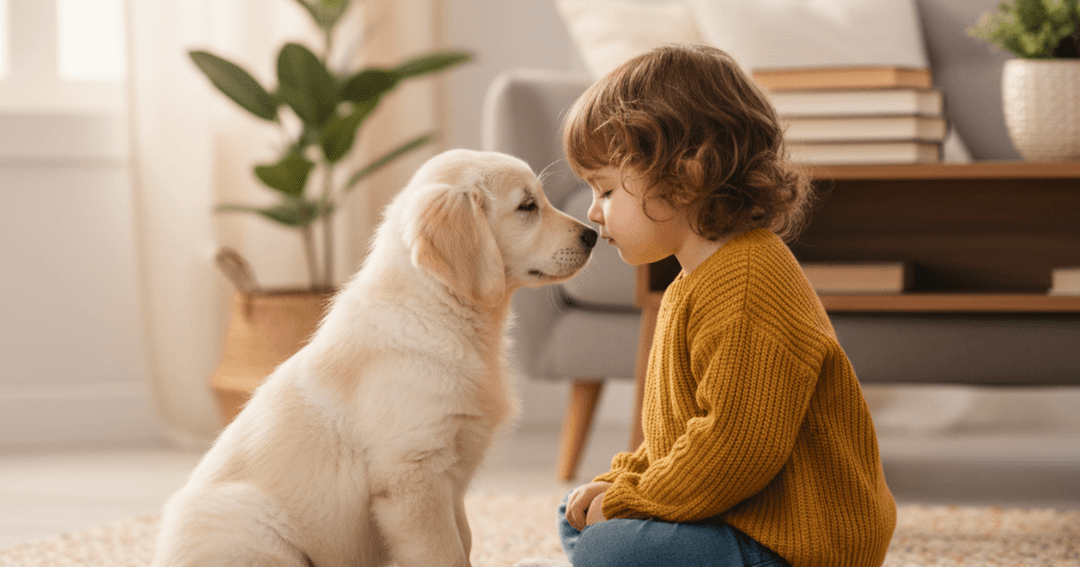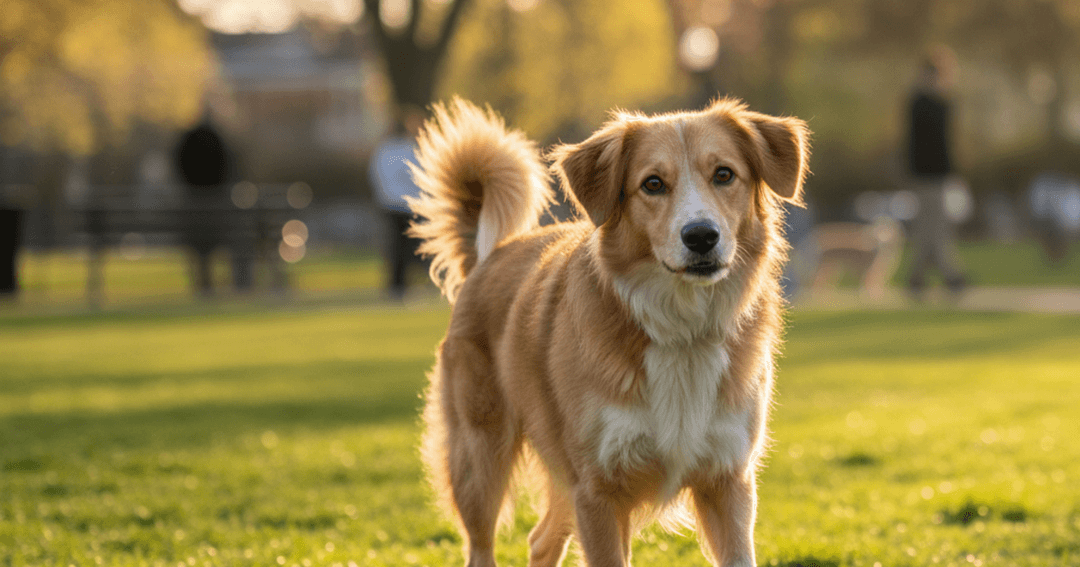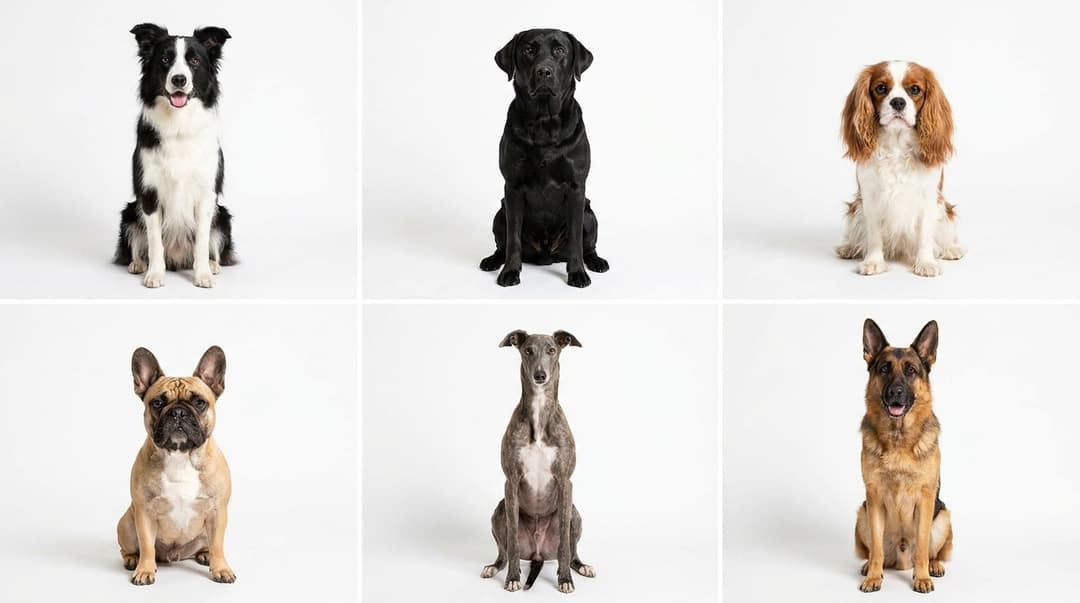
The question sounds simple. It isn't.
"Best for families" gets thrown at every breed list on the internet, usually attached to a golden retriever photo and a paragraph about how they're "gentle and loving." That's not wrong. It's also not useful if you have a four-year-old who screams at high pitch, a house with no yard, and a partner who's mildly allergic.
Breed matters. But breed is a starting point, not a guarantee. A Labrador raised in isolation with no socialisation can be unpredictable around children. A well-socialised Staffordshire Bull Terrier - a breed you won't find on most "family dog" lists - can be extraordinary with kids. Individual temperament, training history, and how you introduce the dog to your family count for as much as genetics.
That said, some breeds carry traits that make the whole project easier. Lower startle response. Higher pain tolerance. Genuine enjoyment of chaotic energy rather than just tolerance of it. Those are the ones worth focusing on.
Here's an honest breakdown - including what the breed lists usually leave out.
Labrador Retriever
Labs top every family dog list for a reason that goes beyond marketing. They were bred to work alongside humans all day without complaint - retrieving game, returning to hand, doing it again. That working history produced a dog with unusually high frustration tolerance and a genuine desire to engage with people.
With kids specifically: Labs tend to have a high pain threshold, soft mouths, and an instinct to redirect rather than react. A toddler grabbing an ear is less likely to provoke a Lab than a more sensitive breed.
What the lists don't tell you: The puppy phase in Labs runs long - two to three years of genuine high energy and destructive chewing. A Lab puppy in a house with young children is a lot. If you're getting a Lab, consider an adult rescue where the temperament is already known.
Also: Labs eat compulsively. Food aggression isn't common, but resource guarding around a food bowl is more common than owners expect. Teach children early not to approach any dog while eating.
Best fit: Active families comfortable with fur everywhere, a long puppy phase, and daily exercise requirements. Excellent with children of any age once mature.
Golden Retriever
The difference between a Golden and a Lab is subtle but real. Goldens are slightly softer emotionally - more attuned to household mood, more likely to retreat when overwhelmed rather than power through. Some families find this a feature; others find it means the dog needs more management around chaotic, loud environments.
Where Goldens genuinely excel is with children who are learning how to interact with dogs. The breed tends to signal discomfort clearly and early - a look away, a body turn, moving to another room - before escalating. That communication style is valuable when you're teaching a six-year-old to read a dog's body language.
What the lists don't tell you: Golden Retrievers have a statistically elevated cancer rate. This isn't a reason not to get one, but it's a reason to have pet insurance from day one and to take lumps seriously earlier than you might with other breeds.
Heavy shedding is also relentless, not "moderate." Two brushings a week minimum, plus seasonal blowouts.
Best fit: Families who want an emotionally intuitive, trainable dog and can commit to grooming, exercise, and proactive health monitoring.
Beagle
Beagles bring something Labs and Goldens don't: pack mentality. They were bred to run in groups, which means they're naturally oriented toward group living. Multiple children, a busy household, people coming and going - Beagles often thrive in environments that would overwhelm more sensitive breeds.
They're also small enough that an accidental knock is less likely to injure a toddler, but sturdy enough that a toddler is less likely to injure them. That size window - 20 to 30 pounds - is genuinely useful with young children.
What the lists don't tell you: Beagles follow their nose to the exclusion of everything else, including recall commands. Off-leash in an unfenced area is not a Beagle activity. They also have a howl - not a bark, a proper hound howl - that carries through walls and across properties.
Beagles are also escape artists. Any outdoor space needs to be genuinely secure, not just fenced.
Best fit: Families with a securely fenced yard, school-age children, and tolerance for noise and stubbornness in exchange for a sociable, hardy, low-maintenance coat.
Boxer
Boxers are unusual in that they don't really grow up. A five-year-old Boxer still plays with puppy-level enthusiasm. Families with kids who match that energy often describe Boxers as the perfect dogs. Families who wanted something calmer describe them as exhausting.
The protective instinct in Boxers is worth understanding correctly. They're not automatically aggressive - a well-socialised Boxer is friendly with strangers. But they're alert and aware of where their family is.
What the lists don't tell you: Boxers are brachycephalic (short-snouted), which creates limitations in heat and intense exercise. Summer walks need careful timing. They also have a shorter lifespan than many breeds their size and elevated rates of certain cancers and heart conditions.
Not ideal for first-time dog owners without support.
Best fit: Active families with older children (6+) who want a loyal, protective, playful dog and have time for structured exercise.
Collie (Rough or Smooth)
Collies are smarter than most owners are prepared for. That intelligence means they need mental engagement, not just physical exercise.
With children, Collies are generally gentle and responsive to emotional tone, which can make them excellent companions for kids who want to train and interact regularly.
What the lists don't tell you: Rough Collie coats are high maintenance. Brushing two to three times weekly is essential. Smooth Collies are lower maintenance if grooming is a concern.
Collies can also be vocal.
Best fit: Families with time for training and enrichment, and a realistic grooming plan.
Newfoundland
Newfoundlands occupy a specific niche: patient, physically robust, and often very tolerant with young children.
The size that enables this patience is also the practical challenge. Males can exceed 130 pounds. They need space, substantial food, regular grooming, and heat-conscious management.
What the lists don't tell you: They usually have a shorter lifespan than many families expect, and giant-breed healthcare costs can be significant.
Best fit: Families with space, a cooler climate, and budget for large-dog care.
Standard Poodle
Standard Poodles are often underestimated as family dogs. They are trainable, athletic, and typically lower-shedding, which can help households managing allergies.
They learn quickly and generally do well in homes where children participate in training.
What the lists don't tell you: Non-shedding does not mean low maintenance. Coats require professional grooming every 6-8 weeks. Some Standards are also noise-sensitive and benefit from gradual acclimation in very loud homes.
Best fit: Families with allergy concerns and commitment to training plus regular grooming.
Mixed Breed Rescues
Adult mixed breed rescues are one of the most practical family options.
With a puppy - purebred or mixed - you're making educated guesses. With an adult rescue that has lived in foster care with children, you often have direct behavioural observations to work with.
The downsides are real: some rescues have history-based triggers or anxieties. Quality rescue organisations with behaviour assessments reduce that risk substantially.
Best fit: Families wanting a known quantity and open to matching by temperament rather than breed label.
Breeds to Think Carefully About
This isn't a banned list. It's a realistic trait-environment mismatch list for young-child homes.
Chihuahuas and toy breeds: Small body size increases accidental injury risk from toddler handling, which can trigger defensive behaviour.
German Shepherds: Excellent dogs in capable homes, but they need extensive socialisation and consistent handling.
High-drive herding breeds (Border Collie, Australian Shepherd): May herd children via circling, barking, or heel nipping if not managed.
Akita, Chow Chow, and other primitive guarding breeds: Independent and less tolerant of unpredictable handling in many cases.
The Non-Breed Factors That Matter More Than Most People Think
Age of your children. Suitability changes dramatically between toddlers and older kids.
Your real activity level. Match the dog to your actual routine, not your aspirational one.
Supervision quality. No breed should be unsupervised with very young children.
Training commitment. Every breed on this list improves with structured training and declines without it.
Use the PawCalculator Breed Selector to filter across breeds by household setup, child age, activity level, and allergy concerns.
Teaching Children the Basics
Even very patient breeds have limits. Teaching child-dog interaction skills reduces incident risk for both child and dog.
Core rules:
- Never approach a dog that's eating, sleeping, or in its crate
- Let a dog sniff first; avoid reaching over the head
- If the dog walks away, interaction ends
- Avoid hugging around the neck
- Don't chase a dog that's trying to leave
- Learn early stress signals (stiff body, hard stare, tucked tail)
A growl is information. It should trigger separation and assessment, not punishment.
What's the safest breed for a home with a baby?
Temperament-tested adult dogs are generally more predictable than puppies. Breed helps, but supervision and management matter more.
Are small dogs worse with kids?
For toddlers, small dogs are often at higher injury risk from rough handling. For older children with good handling skills, many small breeds do well.
Puppy or adult dog for a family?
Adult dogs usually offer more predictable size, energy, and temperament.
We already have a breed not on this list and now have a baby. What now?
Focus on structured introductions, management barriers (like gates), and maintaining the dog's routine. Professional trainer support can help.
Use the Breed Selector and Compatibility Checker to match breeds to your specific household. Calculator outputs are starting points - always meet the individual dog before committing.
Partner picks for this guide
As an Awin affiliate, Paw Calculator may earn a commission from qualifying purchases. Prices and availability can change.


Frequently asked questions
PawCalculator Editorial
We combine veterinary references, published guidelines, and calculator-grade modeling. This article is for education, not a substitute for an exam.
+ Follow on PawTalk