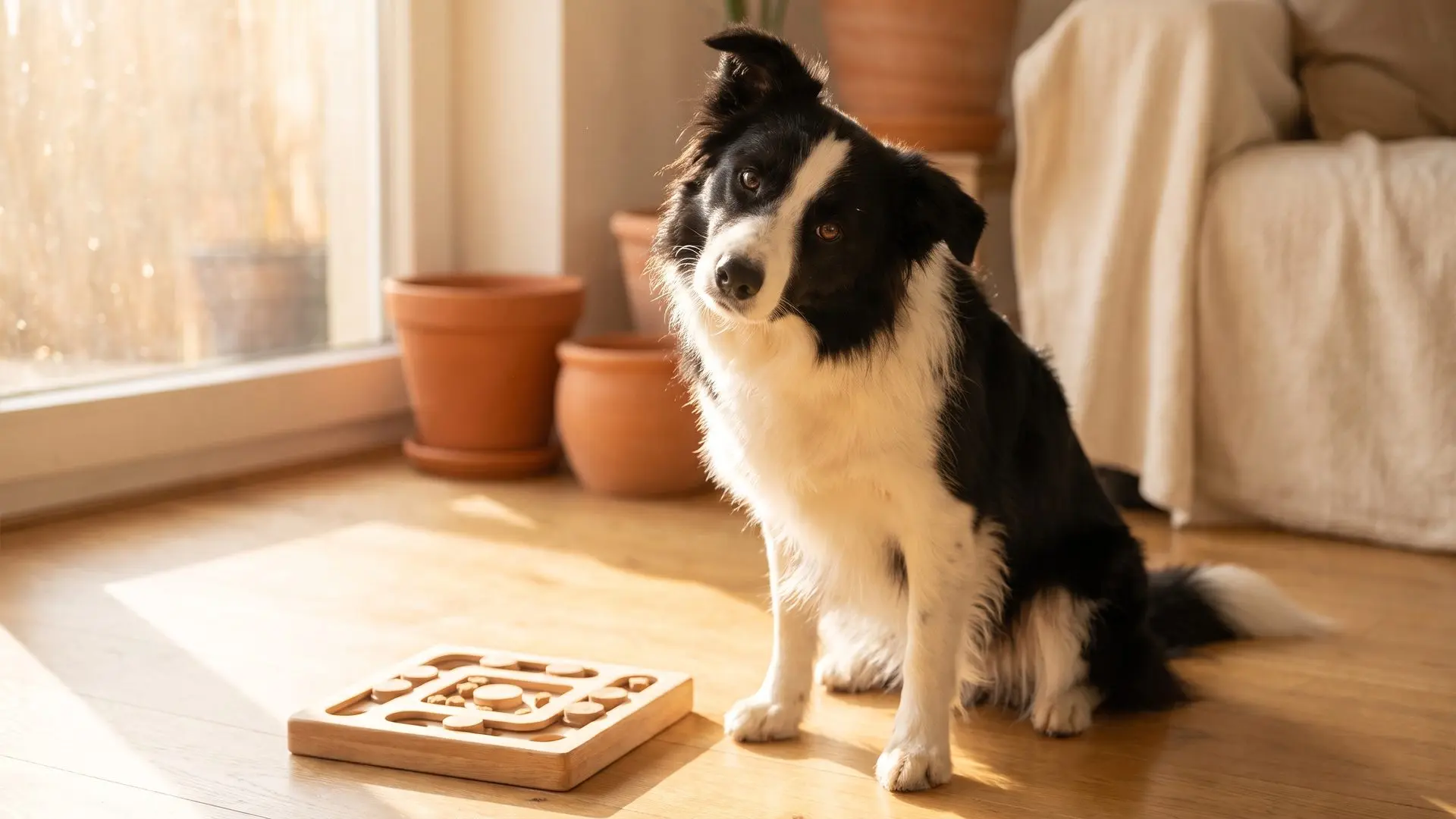
The most expensive dog breeds to buy are often giant, rare or imported breeds, with reputable breeders asking from about $1,500 to $5,000 or more. The more important number is the cost of owning the dog. Large breeds eat and medicate more, flat-faced breeds often need more veterinary care, and high-maintenance coats raise grooming bills, so a pricey puppy and a pricey dog are not always the same thing.
Breeds that are often expensive to buy
Prices vary by breeder, region, bloodline and demand, and there is no official price list. These breeds are commonly cited as higher-priced from reputable breeders in the US:
| Breed | Why it tends to cost more |
|---|
| Tibetan Mastiff | Rare and very large; small litters and high care costs |
| French Bulldog | Popular, and litters are often delivered by C-section |
| English Bulldog | Popular; breeding often needs veterinary help |
| Samoyed | Popular and demanding to raise well |
| Rottweiler | Large, with health-tested breeding lines |
| Akita | Rare in some regions; large |
| Chow Chow | Rare in some areas; heavy coat |
| Saluki and other sighthounds | Rare, with limited breeders |
| Irish Wolfhound | Giant and rare; short lifespan and high care costs |
| Cavalier King Charles Spaniel | Health testing raises breeder costs |
A reputable breeder invests in health testing, vet care and socialization, which is a reason for higher prices. Be cautious of unusually cheap puppies, since they may come from puppy mills. See best dogs for first-time owners if you are still choosing a breed.
The costs that matter after you bring the dog home
Food. Giant breeds can eat several times as much as small dogs. Our dog food calculator shows daily amounts by weight.
Veterinary care. Flat-faced breeds, such as Bulldogs and Frenchies, are prone to breathing problems, skin fold infections and eye or spine problems, according to the AVMA and the American Kennel Club. Large and giant breeds are prone to joint issues and some cancers. These conditions can bring larger vet bills. Our vet cost estimator helps estimate care costs.
Grooming. Breeds with long or thick coats, such as Samoyeds and Poodles, often need regular professional grooming. See dog grooming costs.
Insurance. Premiums often reflect breed risk, so a breed prone to costly conditions can cost more to insure. See is pet insurance worth it.
Medication, boarding and gear. Larger dogs need bigger crates, beds and higher medication doses, and some boarding facilities charge more.
Cost by breed trait, not just breed
| Trait | Cost impact |
|---|
| Giant size | High food, medication and gear costs; shorter lifespan |
| Flat face | Higher risk of breathing, eye and skin issues |
| Heavy or long coat | Regular grooming bills |
| Rare breed | Higher purchase price; fewer breeders |
| High energy | Training, daycare or walker costs |
| Long-lived small breed | Dental care and age-related care over many years |
Is a cheap puppy cheaper?
Not always. A low purchase price can hide health problems from poor breeding or lack of testing. Rescued and mixed-breed dogs often cost less to adopt and may avoid some breed-specific risks, though no dog is risk-free. See our adoption cost guide and mixed breed vs purebred life expectancy.
How to avoid overpaying
- Meet breeders in person, see parents and ask for health test results.
- Avoid sellers who deliver puppies in parking lots or only communicate online.
- Compare adoption options and breed-specific rescues.
- Get a vet check within the first few days.
- Budget for the breed's typical health risks.
- Ask about contracts and health guarantees.
Reading a breeder's price
A fair price should reflect the cost of health testing the parents, quality food, vaccines, veterinary exams, microchipping, socialization and often a written contract with a return policy. Ask what is included. A price that is much lower than others for the same breed may mean skipped testing, while a very high price does not guarantee quality. Ask for documentation, speak to previous buyers and contact your own vet for advice before paying a deposit.
Also consider whether you need a purebred at all. Shelters and breed-specific rescues often have dogs of every size and age, and adoption fees are usually far less than breeder prices. If you do buy, remember that the purchase price is the smallest cost over a dog's lifetime. A large dog living ten years can cost many times more in food, care and gear than the puppy did to buy.
Costs unique to giant and flat-faced breeds
Giant breeds often need more anesthetic and medication, larger kennels and extra care for joints. Flat-faced breeds can need help breathing in hot weather, and some owners pay for surgery to open narrow airways. Ask your vet and breeder what health problems are common in your chosen breed and what they cost to manage.
Estimate your breed's cost
Use our dog cost calculator and breed selector to compare options. Our dog cost per year guide breaks down the budget, and the pet care costs hub links to related costs.
Related guides
Swap experiences with other owners on the PawTalk advice forum.
This guide is general education from the PawCalculator team, not veterinary or financial advice. Cost ranges are typical US ballparks for 2026 and vary by region, clinic and provider, so confirm with local quotes. Sources: the American Kennel Club, the AVMA and published breeder price ranges.