Why Dog Grooming Costs All Over the Map
Ask five dog owners what they pay for grooming and you'll get five wildly different numbers, and none of them are wrong. A short-haired Beagle and a matted Old English Sheepdog are not the same job, even though both technically get "groomed." Size determines how long a groomer spends on you; coat type determines how hard that time is; and where you live determines what an hour of a skilled groomer's time is worth in the first place.
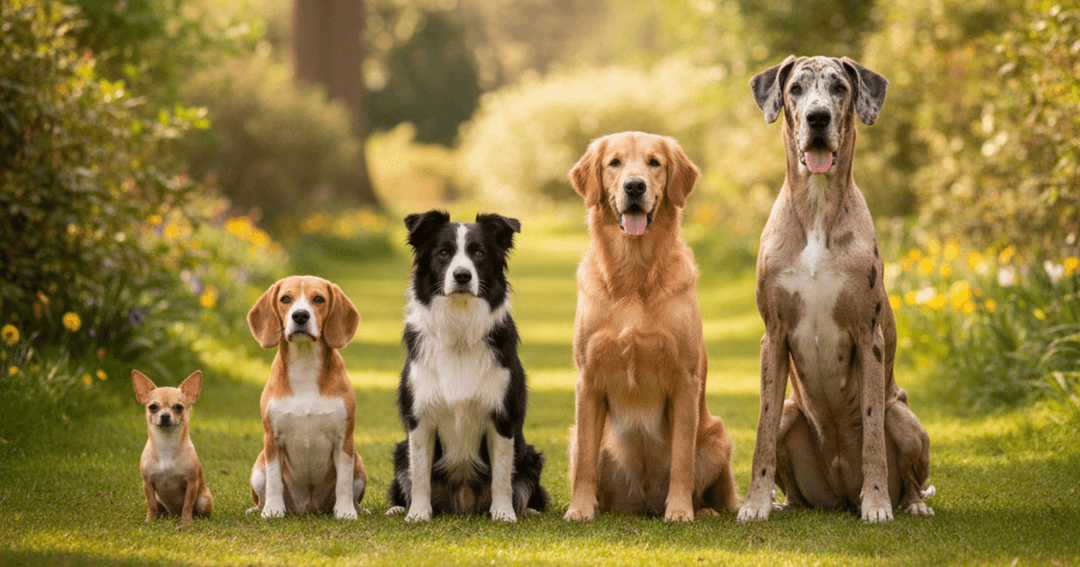
The three biggest levers are size, coat, and location, in roughly that order. A 90-pound double-coated dog in a major coastal city can easily cost four times what a 12-pound short-haired dog costs in a smaller town, and that gap is almost entirely explainable by those three factors rather than one salon simply being a rip-off.
Dog Grooming Cost by Size and Coat Type
These are national averages for a full groom — bath, brush-out, haircut, nail trim, ear cleaning, and sanitary trim. Double-coated and curly-coated breeds run higher because they take real skill and time to do correctly without damaging the coat.
| Dog Size / Coat | Typical Full Groom Cost | Notes |
|---|
| Small, short coat (Chihuahua, Beagle) | $35–$55 | Fastest job, minimal coat work |
| Small, long/curly coat (Shih Tzu, Poodle) | $55–$85 | Detangling and precise scissor work add time |
| Medium, short coat (Lab, Boxer) | $50–$75 | Mostly bath, blow-out, nails |
| Medium, double coat (Corgi, Aussie) | $65–$100 | Deshedding is the real time cost here |
| Large, short coat (Boxer, Vizsla) | $70–$100 | Volume of bathing/drying, not complexity |
| Large, double coat (Golden Retriever, Husky) | $90–$150 | Heaviest deshedding and blow-dry time |
| Giant breed (Newfoundland, Great Pyrenees) | $120–$200+ | Size alone adds real labor and equipment strain |
Mixed-breed dogs get quoted off whichever category their coat and size most resemble — a groomer isn't pricing off the AKC standard, they're pricing off how long you'll actually be on the table. If you're not sure which coat category your own mixed-breed dog realistically falls into, our Breed Selector can help narrow down the closest match based on size and coat type before you call around for quotes.
A base groom rarely includes everything you might assume. Common add-ons and their typical range: teeth brushing ($10–$15), de-shedding treatment beyond standard brushing ($15–$40 depending on size), flea and tick treatment ($15–$25), nail grinding instead of clipping ($10–$15), and de-matting when a coat has gone past the point of a normal brush-out ($20–$60+, sometimes billed hourly since it's genuinely harder on both the dog and the groomer).
That last one is worth calling out specifically: severe matting sometimes means a groomer recommends shaving down to the skin rather than fighting through mats, both for the dog's comfort and because pulling on tight mats near the skin can cause real injury. If your groomer suggests this, it's not an upsell — it's usually the more humane option once matting has gotten bad enough.
Salon vs. Mobile Grooming
Mobile grooming vans run higher per visit — typically $15–$40 more than an equivalent salon appointment — but they buy back something salons can't: no car ride, no waiting room full of other stressed dogs, and one-on-one attention from a single groomer for the whole visit instead of your dog spending hours in a kennel between steps. For anxious dogs, seniors, or dogs with mobility issues, that premium is often worth it even before factoring in the convenience of not leaving your driveway.
Salon grooming is usually the better value if your dog handles the environment fine, since salons can run multiple dogs through in a day and price accordingly. It's also generally easier to find last-minute availability at a salon than to get a mobile van scheduled on short notice.
How Often You Actually Need It
This is where a lot of the annual cost math goes wrong — people either over-groom short-haired dogs or under-groom double-coated ones. A short-haired dog with minimal shedding often does fine with a groom every 8-12 weeks, mostly for nails and a bath. A double-coated or curly-coated dog usually needs something closer to every 4-6 weeks, both to manage shedding and to keep a curly coat from matting between visits, since mats form fast once a coat gets past a certain length.
Stretching that interval to save money on curly or double coats almost always backfires — a coat that's gone eight weeks past due often needs a more expensive de-matting session or a shave-down, which costs more overall than just keeping to schedule would have.
Cutting Costs Without Cutting Corners
A few things actually move the number without compromising your dog's coat health: brushing at home between visits (even 5 minutes, a few times a week, meaningfully reduces mat formation and de-shedding time at the groomer), booking off-peak appointment times when some salons discount slightly, and asking about loyalty punch cards, which many independent groomers offer even if they don't advertise them.
What doesn't actually save money long-term: stretching appointments out on a double or curly coat, or choosing the cheapest quote without asking what's included — a bargain groom that skips ear cleaning or a proper de-shed often costs more the next time around once things have built up.
Recommended Tools
- Dog Grooming Cost & Frequency Calculator — Get a personalized estimate based on your dog's size and coat type.
- Cat Cost Calculator — See the full lifetime cost picture if you're budgeting for multiple pets.
- Adoption Cost Calculator — Planning a new dog? Factor grooming into the full first-year budget.
- Pet Sitter Rate Calculator — Another recurring cost worth budgeting alongside grooming.
- Vet Cost Estimator — Regular grooming can catch skin issues early, which helps keep vet visits down too.
Get a Number That Actually Fits Your Dog
National averages are a starting point, not your actual quote — your dog's specific coat condition, your region's cost of living, and how far a mat situation has gotten all move the price. Run your dog's details through the calculator for a range that's closer to what you'll really pay.
→ Use the Dog Grooming Cost Calculator