Why Litter Box Cleaning Frequency Actually Matters
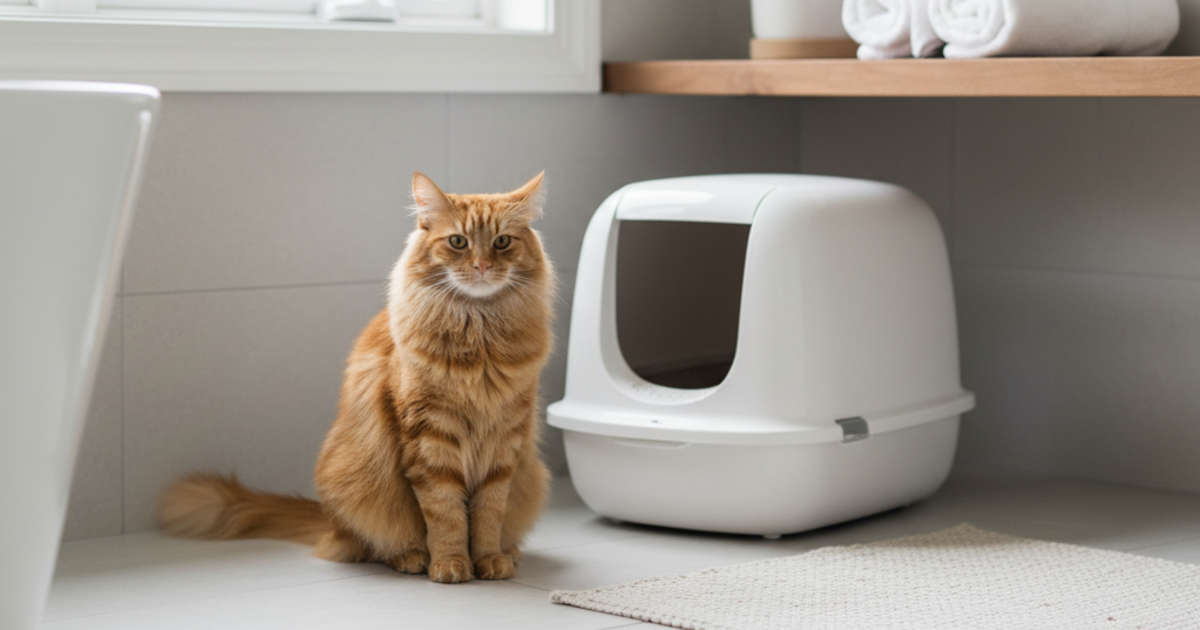
Cats are far pickier about a dirty litter box than most owners give them credit for, and it's not just about the smell reaching your nose first. A cat's sense of smell is many times more sensitive than a human's, so a box that seems fine to you at breakfast can already read as unacceptable to your cat. That gap between what you notice and what your cat notices is where most litter box problems actually start — not from a lack of care, but from a cleaning schedule built around human senses instead of feline ones.
Get the schedule wrong in either direction and you pay for it. Too infrequent, and you risk a cat refusing the box entirely and finding somewhere else in the house instead. Too frequent, and you're burning through litter and time you don't need to spend. The right schedule depends on two things that change the math completely: how many cats are sharing the box, and what kind of litter is in it.
The Real Cleaning Schedule (Not the One on the Bag)
Litter bags tend to print a single generic number that assumes one cat and ideal conditions. Real households vary a lot more than that. Here's a more realistic breakdown by cat count and litter type:
| Cats | Daily Scooping | Clumping Clay Full Change | Crystal/Silica Full Change | Natural (Pine/Corn/Wheat) Full Change |
|---|
| 1 cat | Once daily | Every 1-2 weeks | Every 3-4 weeks | Every 1-2 weeks |
| 2 cats | Once or twice daily | Every 4-7 days | Every 2-3 weeks | Weekly |
| 3+ cats | Twice daily | Every 2-4 days | Every 1-2 weeks | Every 4-5 days |
These are starting points, not hard rules — a particularly odor-sensitive household, a cat with a stronger-than-usual urine smell, or hot, humid weather can all push you toward the more frequent end even within the same category.
Daily Scooping: The Non-Negotiable Part
Regardless of which litter you use or how many cats you have, solid waste and urine clumps need to come out at least once a day, and twice a day is genuinely worth it in a multi-cat home. This is the single biggest lever for keeping a cat using the box consistently — far more than the full-change frequency below. A box that gets scooped religiously but only fully changed every few weeks will almost always outperform one that gets a deep clean weekly but sits unscooped for two days in between.
Litter Type Changes the Full-Change Math
Clumping clay is the most common litter type and needs the most frequent full changes, because even good clumping leaves urine residue soaking into the base layer over time. For one cat, every one to two weeks is typical; add cats and that interval shrinks fast.
Crystal or silica litter works differently — it's designed to absorb and dry out liquid waste rather than clump it, which is why it can stretch to three or four weeks for a single cat before needing a full change. The tradeoff is that crystal litter usually costs more per bag, so the time savings come with a real price tag.
Natural litters — pine pellets, corn, wheat, walnut shell — vary more by brand, but as a category they tend to need more frequent full changes than clay, since many don't clump as tightly and the whole substrate saturates faster with regular use.
The Litter Box Math: How Many Boxes You Actually Need
Cleaning frequency only gets you halfway there if you don't also have enough boxes. The standard guidance from vets and cat behaviorists is one box per cat, plus one extra — so a two-cat household needs three boxes, not two. That extra box matters more than it sounds like it should; it gives cats an alternative when one box is temporarily occupied or feels less appealing, which meaningfully cuts down on accidents elsewhere in the house. If litter is just one line in a bigger multi-cat (or multi-pet) budget you're trying to work out, the Multi-Pet Household Cost Calculator combines it with food, vet care, and grooming across every animal in the house.
Location matters as much as count. Boxes clustered together in one corner of the laundry room don't function as separate options to a cat the way boxes spread across different rooms or floors do. If you're dealing with more than one cat and only have space to cluster boxes, at minimum keep them a few feet apart rather than touching.
Signs You're Not Cleaning Often Enough
A few reliable tells that your schedule needs tightening: your cat starts perching on the edge of the box instead of stepping fully in, they dig excessively before or after using it, they start covering less thoroughly (or not at all, out of apparent disinterest), or you notice a strong ammonia smell the moment you walk into the room rather than only right next to the box. Any of these is worth treating as feedback rather than a personality quirk.
When Litter Box Avoidance Signals Something More
Sometimes a cat avoiding the box has nothing to do with cleanliness. Sudden avoidance paired with straining, frequent trips with little or no urine produced, vocalizing while trying to go, or visible blood in the urine can point to a urinary tract infection or, in male cats especially, a urethral blockage — which is a genuine emergency, not a wait-and-see situation. If your cat's habits change suddenly and the box itself is clean, that's a same-day call to the vet, not a cleaning problem to troubleshoot first.
Automatic Litter Boxes: Do They Change the Schedule?
Self-cleaning boxes handle the daily scooping automatically, which is their main appeal, but they don't remove the need for a full dump, wash, and refill on roughly the same interval as a manual box. The rake mechanism and sensors also need their own periodic cleaning, since waste residue and litter dust build up on the moving parts over time — skip that and you end up with a machine that's technically running but not actually keeping the box as clean as it looks.
Recommended Tools
- Litter Box Calculator — Get a personalized cleaning schedule based on your cat count and litter type.
- Litter Cost Calculator — Compare monthly costs across clumping, crystal, and natural litter types.
- Cat Food Calculator — Portion size affects waste volume, which affects how fast a box fills up.
- Cat BMI Calculator — Weight changes can shift litter habits too, so it's worth tracking alongside box behavior.
- Cat Age Calculator — Older cats sometimes need easier box access or more frequent cleaning as mobility changes.
Get a Schedule That Fits Your Household
The averages above are a solid starting point, but your actual schedule depends on your specific cat count, litter type, and how sensitive your household is to odor. Run your numbers through the calculator for a cleaning schedule built around your setup instead of a generic one.
→ Use the Litter Box Calculator