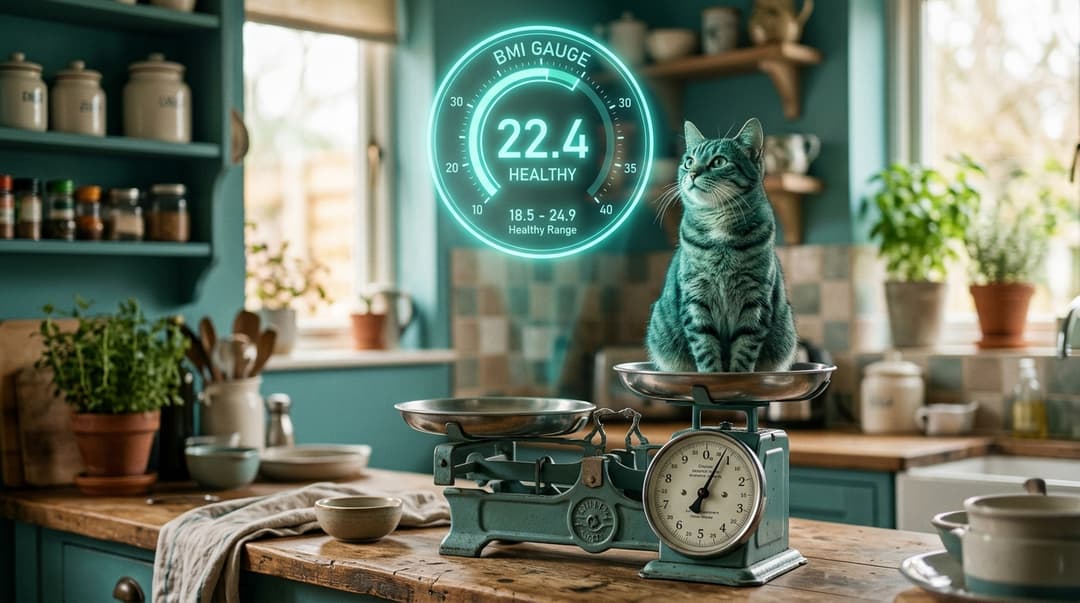
Is Your Cat Overweight? Here's the Real Way to Check
Your inputs
Results update live as you type.
Your results
Live — updates as you change inputs.
Body condition score
8/9
BCS (9-point scale)
Keep going with a related calculator.
Is Your Cat Overweight? Here's the Real Way to Check
"Cat BMI" isn't a formal veterinary metric the way human BMI is — there's no widely validated height/weight ratio for cats, since body shape varies too much by breed and frame. What vets actually use is the same 9-point body condition score (BCS) system applied to dogs, adapted for feline anatomy: checking for a visible waist behind the ribs when viewed from above, an abdominal tuck from the side, and how easily ribs can be felt under a thin layer of fat. Roughly 60% of US cats are estimated to be overweight or obese by veterinary body-condition surveys, and because cats mask discomfort well, owners frequently underestimate their cat's condition. This calculator combines a weight-range estimate with a BCS-style questionnaire rather than a single invented "cat BMI" number.
How to use this calculator
Answer three physical checks: how easily you can feel the ribs under a light fat layer, whether a waist is visible behind the ribs from above, and whether there's an abdominal tuck from the side. These three checks together produce a body condition score, the same system vets use in an exam room.
The 9-point body condition scale for cats
| Score | What it looks like |
|---|---|
| 1–3 | Ribs, spine, and pelvic bones visible; minimal muscle mass — underweight |
| 4–5 | Ribs easily felt with slight fat covering, visible waist, visible tuck — ideal |
| 6–7 | Ribs felt only with firm pressure, waist barely visible from above — overweight |
| 8–9 | Ribs very difficult to feel, rounded abdomen with no tuck, fat pad under the belly — obese |
Safe weight-loss pace by starting BCS
| Current BCS | Safe weekly loss rate | Notes |
|---|---|---|
| 6/9 | ~1% of body weight/week | Modest, sustainable reduction |
| 7/9 | ~1–1.5% of body weight/week | Monitor appetite closely |
| 8–9/9 | ~1–2% of body weight/week, vet-supervised | Faster loss meaningfully raises hepatic lipidosis risk |
Understanding your results
Because roughly 60% of US cats are estimated to be overweight or obese, a result in the 6–9 range is common — but common doesn't mean low-risk; excess weight in cats is linked to diabetes, joint disease, and reduced lifespan. If your cat scores overweight, avoid a sudden calorie cut: cats that lose weight too quickly are at real risk of hepatic lipidosis (fatty liver disease), so any weight-loss plan should target a gradual, vet-guided rate of loss rather than an aggressive one.
Why cats hide weight gain so effectively. Cats' relatively small size means gradual gain adds up slowly in visible terms, and their independence (compared to a dog needing daily walks where a struggle might be noticed) removes another natural check most owners rely on. A cat carrying 20% excess weight can still move around the house without obvious difficulty, which is exactly why body condition score — not "does my cat seem fine" — is the more reliable check.
Appetite loss during a diet is a different problem than the diet itself. If your cat stops eating the reduced portion rather than adjusting to it, that's a vet-visit trigger regardless of where you are in a weight-loss plan — sustained appetite loss in a cat needs evaluation, not patience.
Doing the physical checks accurately on a cat specifically
Assessing body condition on a cat has a few feline-specific wrinkles worth knowing before you start, since cats' body language and coat behavior differ enough from dogs that a technique borrowed directly from canine BCS checks can mislead. Many cats tense up or flatten their body posture when handled in ways they're not used to, which can make the waist and tuck checks look different than they would with the cat relaxed and standing naturally — doing the check when your cat is calm, ideally during a moment they're already comfortable being touched (after a meal, during normal petting) rather than as an isolated handling session, tends to give a more representative read. The primordial pouch — a normal, breed-independent flap of loose skin many cats have along their lower belly — is frequently mistaken for excess fat by owners doing a body condition check for the first time; it's present even in lean, healthy cats to varying degrees, so its presence alone isn't a body-condition red flag the way a genuinely rounded, firm abdomen with no waist definition is.
Why cat weight management differs meaningfully from dog weight management
If you're used to thinking about weight management from a dog-ownership background, it's worth explicitly recalibrating for cats rather than assuming the same general approach transfers directly. The most important difference is the pace ceiling: while a dog's calorie deficit can be adjusted fairly aggressively within reason, a cat's safe weight-loss rate is capped by real physiological risk (hepatic lipidosis) in a way that makes "just cut back more if it's not working fast enough" actively dangerous advice for cats specifically. The second major difference is that exercise plays a much smaller role in feline weight management than in canine weight management — most cats can't be reliably exercised on the kind of schedule a dog walk provides, which means diet does nearly all of the work for cats, whereas a dog's plan can lean on both diet and activity. Keeping both of these differences in mind is what separates an effective cat weight-management plan from one that's really just a scaled-down dog plan that happens to also apply to a cat.
When to consult a professional
For health, dosage, or nutrition decisions, always confirm calculator output with your veterinarian. This tool provides reference estimates, not medical advice.
Questions about this calculator
Not a standardized one — unlike humans, cat body shape and frame size vary too much across breeds (a Maine Coon and a Siamese at the same weight look completely different) for a single height/weight ratio to be meaningful.
The math, openly documented.
Inputs
Enter the details that affect your estimate.
weight · age · breed
Normalize
Validate ranges and convert units when needed.
lbs ↔ kg
Calculate
Veterinary or industry-standard formulas applied.
result = f(inputs)
Results
Clear outputs with context and disclaimers.
display + notes
More from Health
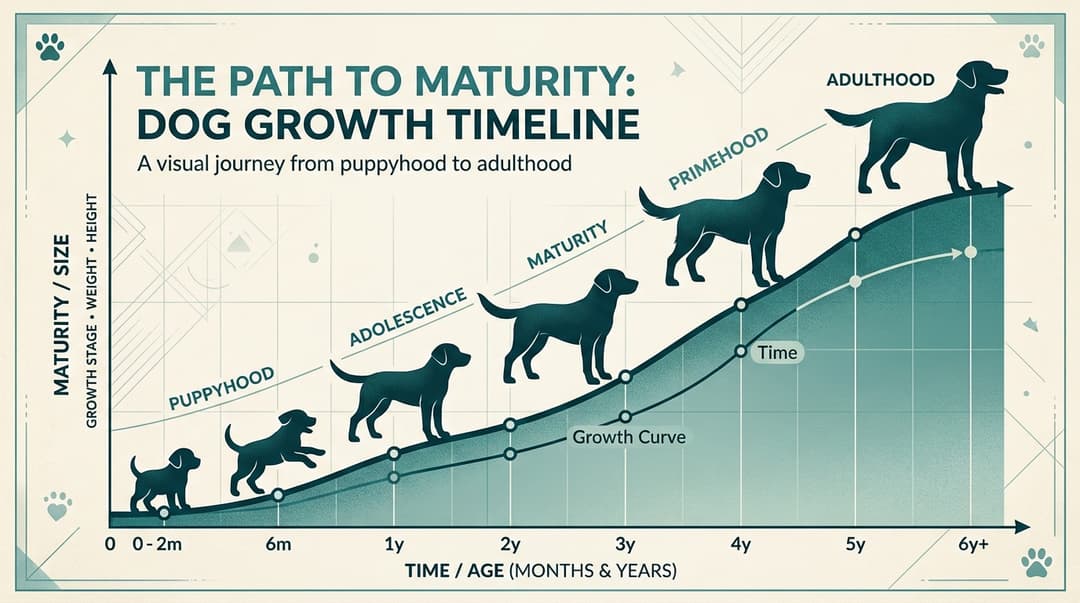
Is Your Puppy Growing on Track?
dog growth calculator: Plot your puppy's weight against expected breed-size growth curves to spot whether growth is trac
Open tool
When Will Your Cat Have Her Kittens?
cat pregnancy calculator: Estimate your cat's kittening date and track gestation week by week — cat pregnancies run shor
Open tool
Track Your Dog's Heat Cycle
dog heat cycle calculator: Estimate your dog's heat cycle stages and fertile window based on cycle history — most female
Open toolArticles from Insights



Got an edge case the calculator can't handle?
247 active threads about dog nutrition right now. Verified vets and experienced owners answer within hours.