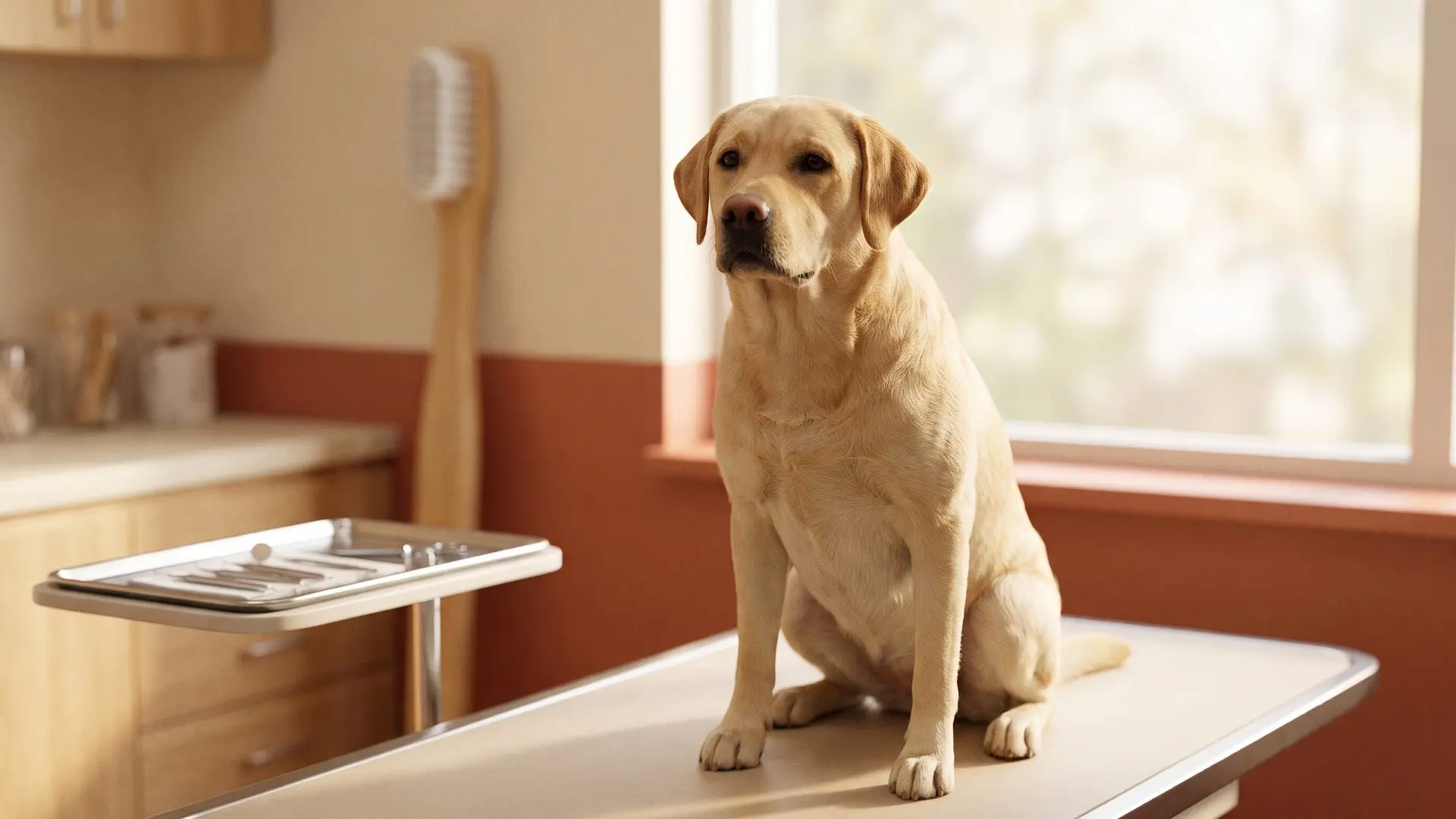
A typical dog costs roughly $1,500 to $3,500 a year to own once you add food, routine vet care, preventives, grooming, supplies and insurance, and the first year is often higher. Cats usually cost less. Those are ballpark ranges, not quotes. Prices change a lot by city, breed, size and clinic, so use this page as a map and the linked guides for detail.
Typical pet costs in 2026 at a glance
| Cost | Typical US range | Guide |
|---|
| Dog neuter or spay | About $200 to $900, less at low-cost clinics | Dog neuter and spay cost in 2026 |
| Dog teeth cleaning | About $300 to $800, $1,000 to $2,500 or more with extractions | Dog teeth cleaning cost in 2026 |
| Dog boarding | About $35 to $85 per night | Dog boarding cost per night in 2026 |
| Dog walker | About $15 to $30 per 30-minute walk | Dog walker cost in 2026 |
| Dog owner yearly total | About $1,500 to $3,500 | How much does a dog cost per year? |
| Routine vet visit | See the guide | How much does a vet visit cost in 2026? |
| Grooming | See the guide | Dog grooming cost in 2026 |
| Training | See the guide | How much does dog training cost? |
| Adoption fees | See the guide | Pet adoption costs: full breakdown |
| Vaccines | See the guide | How much do dog vaccines cost? |
| Cat ownership | See the guide | How much does it cost to own a cat? |
These ranges are typical US estimates compiled from commonly published clinic and service pricing. Always ask for a written estimate from your own vet or provider.
The four kinds of pet costs
One-time costs. Adoption or purchase, spay or neuter, microchip, the first set of vaccines, a crate or carrier, bed, bowls, leash and harness. These land mostly in the first months. Our Pet adoption costs: full breakdown guide covers what to expect.
Yearly costs. Food, routine vet exams, flea, tick and heartworm prevention, vaccine boosters, grooming, licenses, toys and insurance. Food is usually the biggest recurring cost for large dogs.
Occasional costs. Dental cleanings, training classes, boarding or pet sitting for trips, and replacing gear. They do not happen every month but should be in the budget.
Surprise costs. Illness, injury, swallowed objects and emergency visits. These are the costs that break budgets. Many owners keep an emergency fund or look at insurance. See is pet insurance worth it and puppy insurance.
What changes the price most
- Where you live. Big cities and high-cost regions often charge noticeably more for vet care, grooming and boarding than small towns.
- Size. Bigger dogs need more food, more medication by weight and longer anesthesia, so many procedures cost more.
- Breed. Flat-faced breeds, giant breeds and some purebreds are more likely to need expensive care. See the most expensive dog breeds and what they really cost.
- Age. Puppies and seniors usually cost more in vet bills than healthy adults.
- Type of provider. Nonprofit and low-cost clinics, vet schools and group classes can cut costs.
How to budget for a pet
- Start with the calculators. Our dog cost calculator and vet cost estimator estimate costs from your pet's details. For several pets, use the multi-pet cost calculator.
- Add a monthly pet fund. Put a fixed amount aside for vet bills and trips, even before you need it.
- Separate must-haves and nice-to-haves. Vaccines and prevention are must-haves. Premium grooming may not be.
- Compare insurance and a savings fund using the pet insurance calculator.
- Ask for estimates before procedures, and ask what is included, such as bloodwork, pain medication and follow-up visits.
Ways to save without cutting corners
Preventive care costs far less than treating advanced disease, so keep up with exams, vaccines, dental care and weight control. Low-cost vaccine and spay or neuter clinics run by shelters and humane societies exist in many areas. Vet school clinics may offer reduced prices. Buying food in larger bags, learning basic grooming, and teaching your dog to walk well on a leash can lower recurring costs. Do not skip needed care to save money, and do not delay treatment for an emergency.
Cats versus dogs
Cats usually cost less because they need no walking, boarding is often cheaper and many are fine at home alone for short trips. They still need food, litter, vaccines, vet exams, dental care and, in many cases, insurance. See our guide to how much it costs to own a cat and the real cost of a multi-pet household.
A simple monthly pet budget
Turn the yearly ranges into a monthly number so it is easier to plan. A dog costing $1,500 to $3,500 a year works out to roughly $125 to $290 a month. Split it into buckets: food and supplies, routine vet and prevention, services such as grooming or walking, and a savings or insurance bucket for surprises. Many owners find it easiest to automate a transfer into a separate account on payday so the money is there when a bill arrives.
Review the budget after big life changes: a new puppy, a senior diagnosis, a move to a more expensive city, or a change in work hours that means you need a walker. Prices in your area may be higher or lower than the ranges here, so replace them with real quotes from your own vet and local providers as you collect them.
Travel and sitting costs
Trips add costs for boarding or sitters, and traveling with a pet can add airline fees and carriers. See pet sitter rates for 2026 and traveling with pets.
Related guides
Swap experiences with other owners on the PawTalk advice forum.
This guide is general education from the PawCalculator team, not veterinary or financial advice. Cost ranges are typical US ballparks for 2026 and vary by region, clinic and provider, so confirm with local quotes. Sources: published price ranges from clinics and pet-service providers, the AVMA and the AAHA.