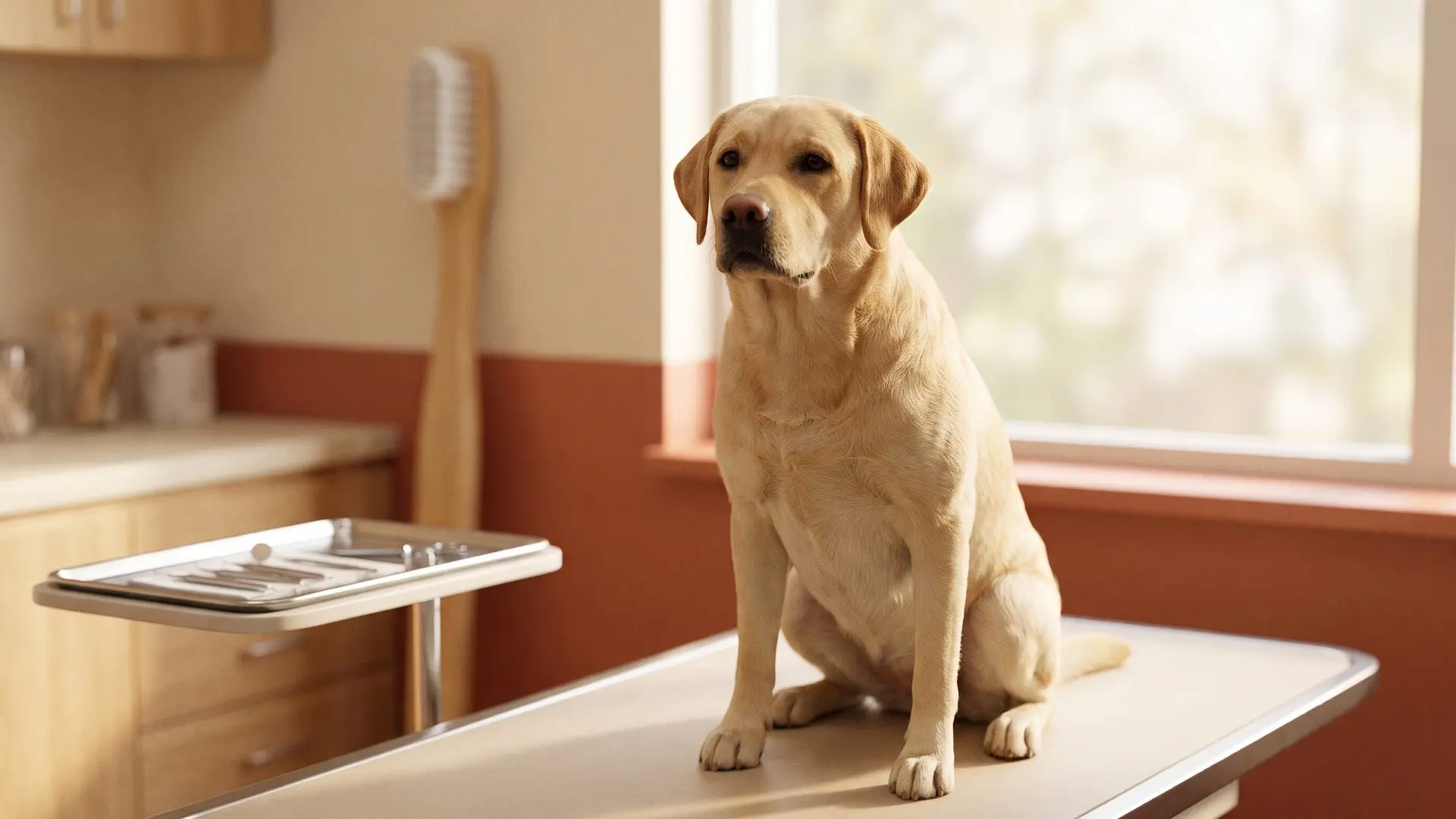
Neutering a dog typically costs about $200 to $600 at a private vet clinic, and spaying a female dog about $300 to $900, with large dogs and big-city clinics at the upper end. Low-cost and nonprofit clinics often charge about $50 to $250. These are ballpark figures, not quotes. The best way to get a real price is to ask for a written estimate that lists what is included.
Dog spay and neuter cost at a glance
| Setting | Typical neuter (male) | Typical spay (female) |
|---|
| Low-cost or nonprofit clinic | About $50 to $250 | About $75 to $300 |
| Private vet, small dog | About $200 to $400 | About $300 to $600 |
| Private vet, large dog | About $300 to $600 | About $450 to $900 |
| Laparoscopic spay (where offered) | Not applicable | Often higher than a standard spay |
| With complications (cryptorchid, heat, pregnancy, obesity) | Can add several hundred dollars | Can add several hundred dollars |
Ranges are typical US estimates and vary widely by region and clinic.
Why spaying costs more than neutering
A male neuter involves removing the testicles through a small incision. A spay removes the ovaries and usually the uterus through an abdominal incision. It is a longer, more involved surgery, so it generally costs more. If the surgery is done while a female is in heat or pregnant, or on an overweight or large-breed dog, the price can rise because the procedure is harder and may need extra time or staff.
A cryptorchid dog, where one or both testicles have not descended, needs a more complex surgery, and costs are often higher.
What is usually included and what is extra
Ask exactly what your quote covers. Common line items include:
- Exam and pre-surgery bloodwork: often $50 to $150, sometimes bundled.
- Anesthesia and monitoring: may be part of the surgery fee or listed separately.
- IV catheter and fluids: recommended by many clinics.
- Pain medication: to send home, often $20 to $60.
- E-collar or cone: often $10 to $30.
- Microchip and vaccines: sometimes offered at the same visit for an extra fee.
- Recheck visit: often included.
A low quoted price may leave out items that another clinic includes, so compare the full estimate, not just the headline number. Our vet cost estimator can help you see how procedure costs fit into a yearly budget.
What affects the price
- Weight. Anesthesia and medication are dosed by weight, and large dogs need more.
- Sex. Spays cost more than neuters.
- Age and health. Older dogs may need extra bloodwork or monitoring. Dogs in heat or pregnant cost more.
- Location. Urban and high-cost areas charge more.
- Clinic type. Nonprofit, shelter and vet school clinics often cost less than private practices.
- Technique. Laparoscopic spays are usually priced higher than traditional ones.
How to lower the cost safely
- Look for low-cost clinics. Many humane societies, shelters and nonprofits offer spay and neuter programs, often with income-based pricing. Ask local rescues and shelters.
- Check vet school clinics, which may provide reduced pricing.
- Ask about bundled packages, such as vaccines and a microchip on the same visit.
- Check whether your adoption included it. Many shelters spay or neuter before adoption, and some offer vouchers.
- Do not cut corners on safety. Choose a clinic that monitors anesthesia, provides pain control and explains aftercare.
When to spay or neuter
Timing depends on breed, size and health, and recommendations have changed over time. The AAHA has published guidance that varies by size, and research suggests that timing may affect joint and cancer risk in some large breeds. This is a conversation to have with your veterinarian, who can consider your dog's breed, health, lifestyle and the risk of unplanned litters. Our How much do dog vaccines cost? guide and puppy care guide help with the rest of the early-life schedule.
Does pet insurance cover spay and neuter?
Standard insurance policies generally cover accidents and illnesses, not elective surgery. Some wellness or preventive add-ons may reimburse part of the cost. If you are considering insurance for your puppy, read the policy terms carefully. See our guides to pet insurance and puppy insurance.
What recovery costs
Most dogs recover within about 10 to 14 days. Budget for pain medication, a cone and a recheck. Complications are uncommon, but swelling, discharge, opening of the incision or lethargy need a call to your vet. Unplanned issues can add to the bill, which is why many owners keep an emergency fund.
Recovery at home and costs to expect
For about two weeks after surgery your dog should be kept calm: leash walks only, no running, jumping or rough play, and no licking the incision. If your dog will not tolerate a standard cone, ask your vet about a soft collar or recovery suit, which can cost a little more but may be more comfortable. Check the incision daily for swelling, discharge, redness or opening, and call your vet if anything looks off.
Keep the follow-up visit if one is scheduled. Some clinics include a recheck in the quoted price, and others charge for it. Ask about this upfront so there are no surprises, and keep the estimate in writing so you can compare your final bill.
Questions to ask your vet
- What is the total price, and what does it include?
- Is bloodwork required or optional?
- Which anesthetic and pain-control protocol do you use?
- What is the best age for my dog's breed and size?
- What is the aftercare plan and what happens if complications arise?
Related guides
Swap experiences with other owners on the PawTalk health forum.
This guide is general education from the PawCalculator team, not veterinary or financial advice. Cost ranges are typical US ballparks for 2026 and vary by region, clinic and provider, so confirm with local quotes. Sources: the AVMA, the AAHA and published clinic pricing ranges.