The Real Cost of a Multi-Pet Household (What a Second or Third Pet Actually Adds)
"It's basically free, they can just share." That's the assumption a lot of people make right before bringing home a second dog or a third cat — and it's usually wrong in one direction or another. Some costs really do get cheaper per pet. Others barely change at all. The honest answer is that a multi-pet household doesn't cost double, or half, or any single multiplier — it depends entirely on which expense you're looking at.
This guide breaks down what actually happens to your budget when you add another pet, so you can plan for it instead of getting surprised by it.
Why Multi-Pet Costs Don't Scale in a Straight Line
Pet expenses fall into two rough categories: per-pet costs and shared costs.
- Per-pet costs scale almost exactly with headcount — food, litter, vaccines, and grooming each additional animal needs its own portion, its own box, and its own vet visit.
- Shared costs barely move — a bag of treats lasts about as long whether there's one dog snacking from it or two, and a single carpet cleaner, leash rack, or crate storage bin covers the whole household.
The mistake most new multi-pet owners make is budgeting as if every cost is a shared cost. The mistake seasoned owners avoid is knowing which line items to multiply and which to leave alone.
Food: Close to a Straight Multiplier
Food is the most predictable per-pet cost in the entire budget, because portions are driven by body weight and life stage, not by how many other animals share the house. A second medium dog eating a similar-quality food will add close to a full second food bill — there's no bulk discount built into the biology.
Where you can save is buying strategy: larger bags cost less per pound, and feeding two dogs of similar size the same formula means one bag instead of two different ones. Working out your actual combined total (rather than eyeballing two separate portions) is exactly what the Multi-Pet Household Cost Calculator is built for — it combines food, vet care, litter, and grooming across every pet in the house into one monthly and annual number, instead of making you add up several single-pet estimates by hand.
Vet Care and Vaccines: Fully Per-Pet
This is the category people underestimate most. Vaccines, wellness exams, parasite prevention, and dental cleanings are billed per animal, every time, with essentially no multi-pet discount at most clinics. Two cats means two exam fees and two sets of core vaccines on two different (often staggered) schedules.
If you're trying to time out what a full first-year vaccine schedule costs per pet before you commit to a second one, the Vaccination Cost Calculator breaks first-year and annual costs down by core versus lifestyle-dependent vaccines, so you can multiply with real numbers instead of a guess.
Pet Insurance: One of the Few Places You'll Actually See a Discount
Insurance is one of the rare categories where adding a pet doesn't cost a full second premium. Most major pet insurers offer a multi-pet discount, typically in the 5-10% range per additional policy, since underwriting and administrative costs are lower when a household already has one active policy. It's still a genuine added monthly cost, just a slightly smaller one than the first pet's premium. The Pet Insurance Calculator lets you compare plan costs against a pet's expected care so you can see where that discount actually lands for your situation.
Litter: A Multi-Cat Household's Biggest Line-Item Jump
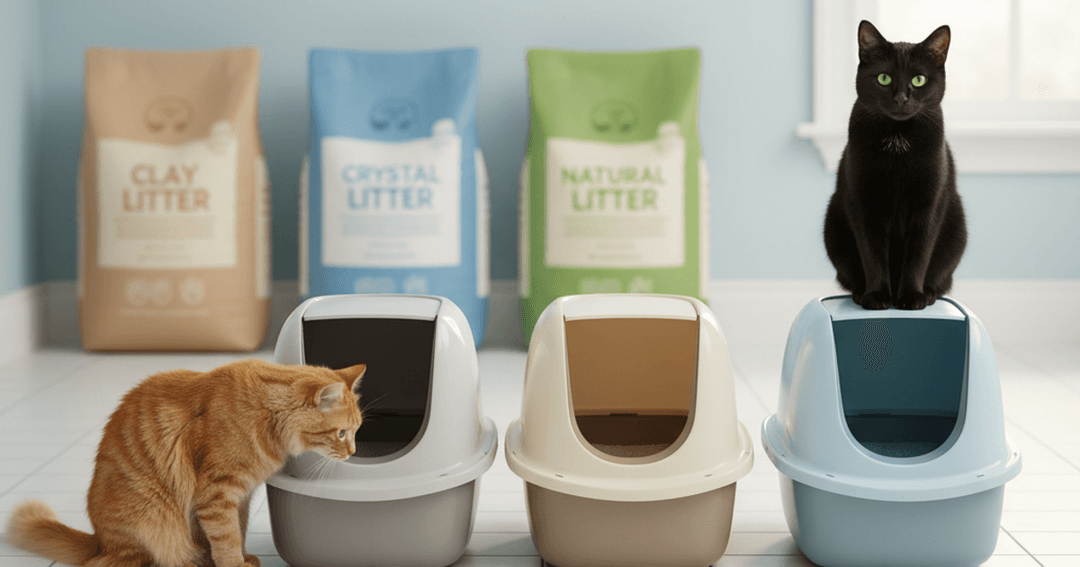
For multi-cat homes specifically, litter is where the "just add one more" assumption breaks down fastest. The general rule vets and shelters recommend is one litter box per cat, plus one extra — so two cats really means three boxes, not two, and litter consumption rises accordingly, both from volume and from more frequent full changes to keep multiple cats using the boxes reliably. The Litter Cost Calculator compares monthly costs across clumping clay, crystal, and natural litter types adjusted for how many cats you have, which is worth checking before you assume litter cost just doubles — clumping type changes the math as much as cat count does.
Grooming: Per-Pet, With Coat Type Doing Most of the Work
Professional grooming is billed per animal and priced by coat type and size rather than by household size, so a second long-haired dog adds close to a full second grooming bill while a second short-haired cat barely moves the number. The Dog Grooming Cost & Frequency Calculator estimates what professional grooming should cost by coat type and how often you actually need it, which matters more in a multi-dog home since coat-type mismatches (one short-haired, one double-coated) can mean wildly different grooming budgets under the same roof.
Pet Sitting and Boarding: Often Cheaper Per Pet, Not Cheaper Overall
This is one of the few categories where multi-pet households genuinely come out ahead per animal. Most professional pet sitters charge a lower rate for each additional pet in the same household during the same visit, since one visit covers feeding, medication, and check-ins for all of them at once rather than requiring separate trips. The total bill is still higher than for one pet, just not proportionally — the Pet Sitter Rate Calculator factors in number of pets, visit length, and local cost-of-living to give a fair-rate estimate for exactly this scenario.
Training: Per-Pet, With a Slight Discount for Group Formats
Private and board-and-train programs are billed individually per dog, with cost driven by the dog's specific behavior needs rather than household size. Group class formats sometimes offer a modest sibling discount for enrolling two dogs from the same home, but it rarely offsets the added cost meaningfully. The Dog Training Cost Calculator compares group classes, private in-home training, and board-and-train pricing, which is useful for spotting where a second dog's training budget will actually land.
Upfront Costs: Adoption Fees Rarely Discount, Supplies Sometimes Do
Adoption or purchase fees are essentially always charged per animal with no household discount — shelters and breeders price each pet on its own. Where you do save is on durable supplies you already own: a crate, carrier, or grooming table sized for your first pet often works for a second of similar size, and a leash rack or food storage bin serves the whole household rather than needing to be duplicated. The Adoption Cost Calculator estimates the full first-year budget — supplies, vet, food, and extras — for a single pet, which is a useful baseline to compare against what a second pet will actually add versus what you can reuse.
A Rough Way to Think About the Total
As a general shape, most multi-pet households find that per-pet costs (food, vet care, litter for cats, grooming) add roughly 70-90% of a "second full pet budget," while shared costs (insurance admin savings, sitting visit discounts, reused durable supplies) shave a meaningful amount off what a naive doubling would suggest. The exact figure depends heavily on species, coat type, and whether the pets are similar in size — two cats of the same breed cost far less to add than a cat plus a large dog with very different needs.
Rather than estimating each category separately and adding them up by hand, the Multi-Pet Household Cost Calculator combines food, vet care, litter, and grooming across every pet in your household into one monthly and annual total, so you get a real number for your specific mix of animals instead of a rough industry average.
The Bottom Line
A second or third pet is never "free" to add, but it's also rarely a straight doubling of your existing pet budget. Food, vet care, and litter scale close to per-pet; insurance, pet sitting, and some supplies come with genuine multi-pet savings. Knowing which category you're looking at — before you bring the new pet home — is what keeps the budget realistic instead of either overestimating and getting cold feet, or underestimating and getting an unpleasant surprise three months in.
PawCalculator Editorial
We combine veterinary references, published guidelines, and calculator-grade modeling. This article is for education, not a substitute for an exam.
+ Follow on PawTalk