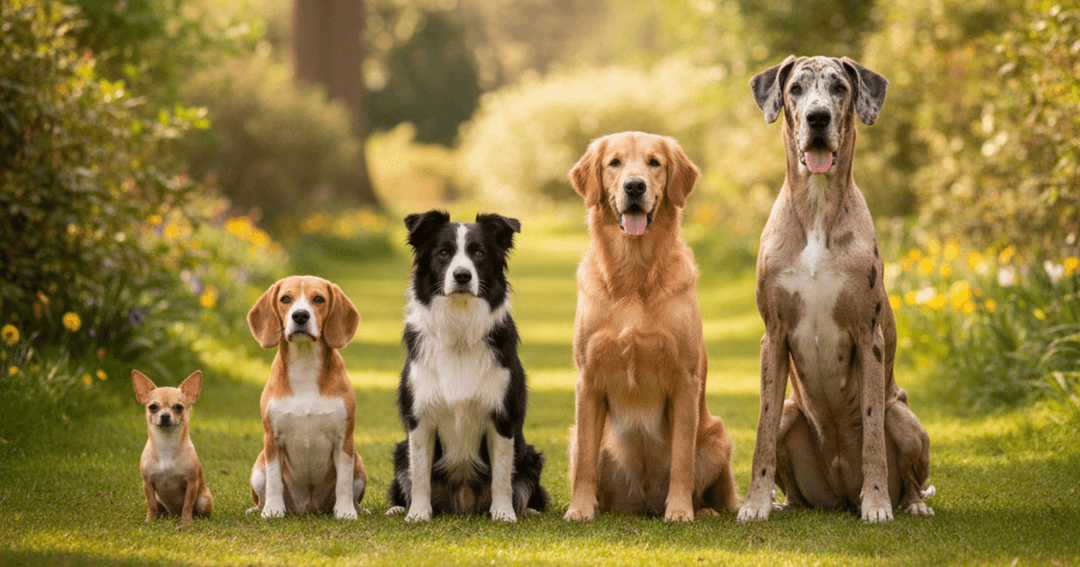
Size is the wrong thing to optimise for.
Most apartment dog guides lead with small breeds, as if a 10-pound dog is automatically a better apartment resident than a 60-pound one. It isn't. A Jack Russell Terrier - 15 pounds, high-energy, vocal, and bred to bolt after prey - is a worse apartment dog than a Greyhound - 65 pounds, quiet, and content to spend 18 hours a day horizontal on a couch.
The traits that actually determine how well a dog works in an apartment are: noise level (neighbours matter), energy expenditure (can it be adequately exercised without a yard), adaptability to small space (does it pace, or does it settle), and separation tolerance (most apartment dogs spend significant time alone).
Size is a factor only where building rules or physical space make it one. Otherwise, start with temperament and energy.
The Variables That Actually Matter
Barking tendency. This is the single most neighbour-relevant trait in apartment living. A quiet 70-pound Greyhound causes no problems. A vocal 12-pound Miniature Pinscher with alert-barking tendencies causes significant problems. Any breed profile that doesn't address vocalisation honestly is incomplete.
Energy level and exercise requirements. High-energy breeds can live in apartments - but only if their exercise needs are genuinely met outside the apartment. A Border Collie in an apartment with an owner who runs 10km daily can work. The same dog with a sedentary owner is a welfare issue regardless of living space. Be honest about your actual exercise routine, not your aspirational one.
Separation tolerance. Most apartment dogs are alone for 6-8 hours during work days. Breeds prone to separation anxiety - Vizslas, Velcro breeds generally, many working dogs - don't manage this without significant training and often not at all. This matters more in apartments than in houses because a dog in distress in an apartment is a dog in distress within earshot of neighbours.
Adaptability. Some dogs are rattled by lifts, corridors, strangers on the landing, ambient noise from other units, and the general density of urban environments. Some aren't. Adaptability is partly breed, partly individual temperament, partly early socialisation.
Breeds That Genuinely Work in Apartments
Greyhound / Italian Greyhound
The counterintuitive apartment dog. Greyhounds are famous for speed and associated in most people's minds with racing - the opposite of apartment-appropriate. The reality: Greyhounds are sprinters, not endurance athletes. They run hard for short bursts and then rest for the remaining 22 hours of the day. Most retired racing Greyhounds are among the calmest, quietest, least destructive large dogs available.
They need a good run or two daily - either off-lead in a securely fenced area (essential, as the prey drive means recall is unreliable) or long fast walks. But between exercise, they're genuinely low-maintenance: low shedding, quiet, non-destructive, and comfortable in a flat.
What to know: Greyhounds are sensitive to cold (minimal body fat and short coat) and need a coat in winter. Many don't know stairs or lifts when adopted - the introduction needs to be gradual.
Italian Greyhounds are the miniature version - same temperament, more fragile physically, better for buildings with weight restrictions.
French Bulldog
French Bulldogs have become one of the most popular urban dogs in the world, and for fairly logical reasons: they're quiet, affectionate, low-energy, and physically compact. They don't need extensive exercise. They're happy with a couple of short walks daily. They don't alert-bark at every sound in the corridor.
What to know - and this is important: French Bulldogs are brachycephalic. Their compressed airways create real health limitations. They cannot tolerate heat - in summer they need air-conditioned environments, and outdoor exercise in warm weather must be brief and timed for cooler parts of the day. They snore, sometimes loudly. They're prone to respiratory distress during exercise and surgery carries higher anaesthetic risk.
They also have significant hereditary health issues as a breed - spinal problems, skin fold infections, eye conditions. The cost of ownership in vet bills is substantially higher than it looks at purchase. Buy only from breeders health-testing for BOAS (brachycephalic obstructive airway syndrome) and spine health.
Cavalier King Charles Spaniel
Cavaliers are affectionate, adaptable, quiet, and genuinely happy in small spaces. They don't have strong prey drive. They're not particularly alert barkers. They attach closely to their people, which means they're excellent companions for owners who work from home or part-time but can be challenging for owners absent for long stretches (separation anxiety is a real risk in the breed).
What to know: Cavaliers have significant breed health concerns - mitral valve disease affects most of the breed to some degree by age 8-10, and syringomyelia (a neurological condition related to skull shape) affects a meaningful proportion. Health-tested breeding matters here more than with many breeds. Ask for cardiac clearances on both parents.
Basenji
The Basenji is unusual enough to be worth including specifically: it's a breed that doesn't bark. It produces a yodelling sound occasionally but is effectively silent for apartment purposes. Add to this a moderate size (around 22-24 pounds), low shedding, and cat-like self-grooming behaviour, and the Basenji ticks a lot of apartment boxes.
What to know: Basenjis are independent, can be difficult to train, and have genuine prey drive - recall is often unreliable. They need secure areas for off-lead exercise. They can be destructive if under-stimulated. This is not a first-time dog owner breed despite being listed in many "easy apartment dog" guides.
Bichon Frise
Small, low-shedding, quiet, and adaptable. The Bichon Frise manages apartment life well and gets along with virtually everyone - other dogs, children, strangers. Exercise needs are moderate - daily walks and some indoor play are sufficient.
What to know: The low-shedding coat grows continuously and requires professional grooming every 6-8 weeks. This is an ongoing cost that owners often underestimate. Bichons are also prone to separation anxiety - they were bred for companionship and don't tolerate long isolation well.
Shih Tzu
Similar profile to the Bichon: small, low-shedding, calm, content in limited space. Shih Tzus were bred specifically for indoor companionship in imperial Chinese households - small apartments are genuinely their natural habitat. They're not particularly vocal, not energetic, and not demanding of outdoor exercise beyond daily walks.
What to know: Brachycephalic, with the associated heat sensitivity and health considerations - less severe than French Bulldogs but still present. Coat requires regular brushing or kept short in a puppy cut.
Whippet
Similar to the Greyhound in temperament profile but smaller - 25-40 pounds - and more widely permitted in buildings with size restrictions. Same basic deal: fast in bursts, sedentary between exercise, quiet, non-destructive, low-maintenance coat.
Whippets are more playful and interactive than Greyhounds, more affectionate with their people, and somewhat more adaptable to irregular schedules. They're also more sensitive emotionally - harsh treatment sets them back in ways a Lab wouldn't notice.
What to know: Need a coat in cold weather. Prey drive means off-lead requires a securely fenced area.
Pug
Calm, quiet, low-exercise, and compact. Pugs have been urban companion dogs for centuries. They don't need much space, don't need much exercise, and are generally tolerant of the sounds and stimuli of apartment living.
What to know: Brachycephalic, with all the associated considerations. Heat sensitivity is significant - summer in a non-air-conditioned flat is genuinely dangerous for a Pug. They're also prone to obesity (they'll eat without obvious limit) and the associated joint and respiratory compounding. Spinal issues and eye conditions are common.
Breeds That Often Don't Work in Apartments - And Why
Beagles: The howl. Beagles are scent hounds with a vocal range that travels through walls and floors with remarkable efficiency. They're otherwise fine in small spaces, but the noise profile makes them genuinely difficult for shared-wall living unless extraordinarily well-trained and well-exercised.
Huskies and Malamutes: High exercise requirements, heavy shedding, vocal (howling specifically), and bred for cold and space. There are Husky owners in apartments who make it work, but it takes serious commitment and significant daily exercise. Not recommended as a default choice.
Border Collies and Australian Shepherds: The combination of extremely high exercise needs and intense mental stimulation requirements makes these breeds poorly suited to apartment life unless the owner is genuinely meeting those needs externally. An under-stimulated Border Collie in a flat is miserable and destructive.
Jack Russell Terriers: High energy, vocal, tenacious, and bred to work independently - all traits that create difficulty in small shared spaces. Better suited to owners with outdoor access and tolerance for the terrier personality.
Dachshunds: Often recommended for apartments due to small size. The caveat: many Dachshunds are vocal alert barkers, and back problems (IVDD) mean that stairs and jumping from furniture require active management throughout the dog's life.
Practical Apartment Dog Ownership
Exercise before you leave. A dog that has been walked before you go to work settles better alone than one waiting for its first walk of the day. Morning exercise is the single highest-impact change most apartment dog owners can make.
Mental enrichment matters as much as physical exercise. Puzzle feeders, Kongs filled with frozen food, training sessions, sniff walks - mental stimulation in a small space is achievable and significantly reduces the restlessness that produces problem behaviour.
Noise-proof your dog before your neighbours complain. Desensitise to lift sounds, corridor activity, and neighbour noise during the puppy or early adoption period. Dogs that weren't exposed early react more to ambient building noise as adults.
Consider a dog walker for long work days. Most apartment dogs manage 4-5 hours alone reasonably well. 8+ hours daily is too long for most breeds without a midday break - both for welfare and for the practical reality of bathroom needs.
Use the PawCalculator Breed Selector to filter breeds by energy level, size, shedding, and noise tendency - the most relevant variables for apartment living.
Do landlords have the right to ban dogs by size? In most jurisdictions, yes - landlords can set pet policies including size and breed restrictions. These vary widely. Always check your specific lease and building rules before choosing a breed. Some buildings ban breeds by name regardless of individual dog temperament.
Is it cruel to keep a large dog in a flat? Not if exercise needs are genuinely met outside. A Greyhound in a well-exercised flat has a better life than a Labrador in a house with a garden but no daily walks. The dog's welfare is determined by exercise, enrichment, and relationship with its owner - not the square footage of the home.
What's the quietest dog breed for apartments? Basenjis (genuinely don't bark), Greyhounds and Whippets (very quiet), Shih Tzus and Cavaliers (low vocal tendency). Avoid hound breeds generally for noise, and avoid terriers unless you know the individual dog's vocal habits.
My apartment doesn't allow dogs over 10kg. What are my options? French Bulldog, Bichon Frise, Shih Tzu, Cavalier King Charles Spaniel, Pug, Italian Greyhound, Basenji (just under limit), Whippet (marginal - 11-15kg typically). All are legitimate apartment breeds within that weight range.
How much exercise does an apartment dog actually need daily? Depends entirely on the breed. A Greyhound needs two 20-30 minute runs or fast walks. A Bichon Frise needs 30-45 minutes of walking and indoor activity. A French Bulldog needs 20-30 minutes split across two short walks. Check breed-specific requirements rather than assuming small dog equals low exercise.
Use the Dog Walking Calculator to get a recommended daily exercise amount for your specific breed, age, and apartment situation.
Partner picks for this guide
As an Awin affiliate, Paw Calculator may earn a commission from qualifying purchases. Prices and availability can change.


Frequently asked questions
PawCalculator Editorial
We combine veterinary references, published guidelines, and calculator-grade modeling. This article is for education, not a substitute for an exam.
+ Follow on PawTalk