There is no single official rarest dog breed, but breeds such as the Norwegian Lundehund, Otterhound, Azawakh, Chinook, Skye Terrier and several others have very small populations, from a few hundred to a few thousand dogs worldwide. Rare breeds can be wonderful, but they often come with limited breeders, long waiting lists, small gene pools and specific health risks.
Ask ten dog experts for the rarest breed and you may get ten answers. That is because rarity can be measured in different ways: the number of puppies registered each year with a kennel club, the total population worldwide, or whether a breed is recognized by major registries at all. Some breeds are rare because they were developed for a specific local job that has largely disappeared. Others nearly went extinct during wars or social change and have been slowly rebuilt by dedicated breeders. This guide explains how rarity is measured, introduces 12 breeds with small populations, compares their size, lifespan and temperament, covers the pros and cons of owning a rare breed and offers advice on finding one responsibly. To compare breeds against your lifestyle, try the breed selector.
How is breed rarity measured?
| Measure | What it means | Limitation |
|---|---|---|
| Annual registrations | Number of puppies registered each year with a kennel club such as the AKC or UK Kennel Club | Only counts registered dogs in one country |
| Vulnerable native breed lists | Breeds with very low registrations, such as the UK Kennel Club's list | Based on UK numbers |
| Global population | Estimated total number of dogs of the breed | Hard to measure accurately |
| Recognition status | Whether the breed is recognized by major clubs | Some breeds are rare partly because they are unrecognized |
Because numbers shift over time, any list of "rarest" breeds is a snapshot, and the figures below are approximate.
12 rare dog breeds
1. Norwegian Lundehund
Developed to hunt puffins on Norwegian sea cliffs, the Lundehund has six toes on each foot, extra flexible joints and an unusual ability to bend its head backward. The breed nearly vanished after a distemper outbreak and changes in puffin hunting, and the population remains small, with serious inbreeding concerns.
- Size: about 20-30 lb (9-14 kg)
- Lifespan: often 12-15 years
- Temperament: alert, energetic, playful
- Health note: prone to Lundehund syndrome, a digestive disorder that needs careful management
2. Azawakh
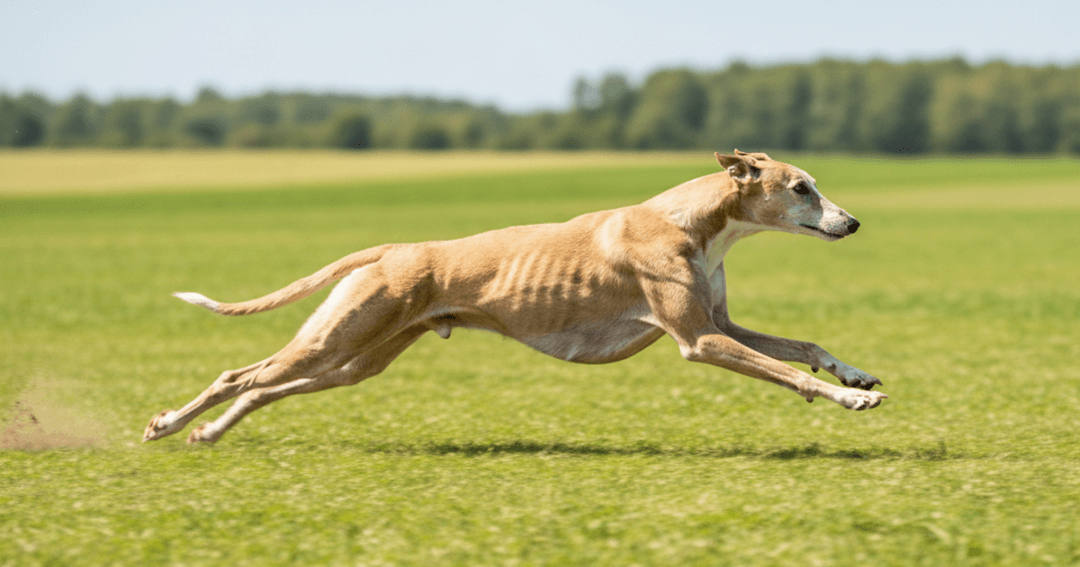
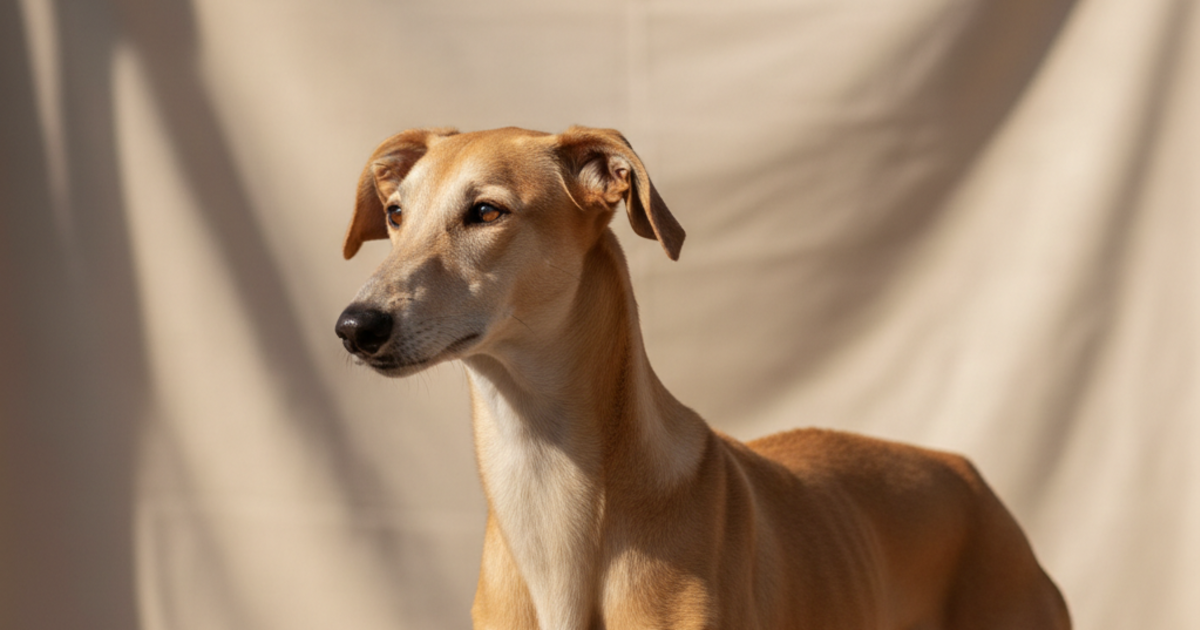
A lean, elegant sighthound from the Sahel region of West Africa, bred by nomadic peoples to guard and hunt. Azawakhs are fast, aloof with strangers and fiercely devoted to their families.
- Size: 33-55 lb (15-25 kg), tall and slim
- Lifespan: about 10-13 years
- Temperament: reserved, loyal, protective
- Notes: thin coat, sensitive to cold
3. Otterhound
A large, shaggy scent hound developed in England to hunt otters. Otterhounds have a rough double coat, webbed feet and a loud, melodic bay. The population is small enough to be listed as vulnerable.
- Size: 65-115 lb (29-52 kg)
- Lifespan: about 10-12 years
- Temperament: friendly, boisterous, scent-driven
- Health note: hip dysplasia and bloat risk
4. Chinook
Bred in New Hampshire in the early 1900s as a sled dog and the state dog of New Hampshire, the Chinook is a friendly, athletic working breed that dropped to a very small population at one point.
- Size: 50-90 lb (23-41 kg)
- Lifespan: about 12-15 years
- Temperament: gentle, intelligent, eager to please
- Health note: hip dysplasia, seizures in some lines
5. Skye Terrier
A long, low terrier with a flowing coat from Scotland's Isle of Skye. Skye Terriers are famously loyal to one family and wary of strangers, and have a very small number of puppies registered annually.
- Size: 25-40 lb (11-18 kg)
- Lifespan: about 12-14 years
- Temperament: dignified, loyal, reserved
- Notes: coat needs regular grooming
6. Mudi
A versatile Hungarian herding dog that is still little known outside its homeland. Mudis are intelligent, energetic and excel at herding, agility and obedience.
- Size: 18-29 lb (8-13 kg)
- Lifespan: about 12-14 years
- Temperament: alert, active, trainable
- Notes: needs plenty of exercise and mental work
7. Sloughi
A North African sighthound often compared with the Azawakh, valued by the Berber peoples for speed and loyalty. Sloughis are sensitive, elegant and reserved with strangers.
- Size: 35-50 lb (16-23 kg)
- Lifespan: about 12-16 years
- Temperament: gentle, sensitive, loyal
- Notes: needs a secure, fenced area for sprinting
8. Lagotto Romagnolo (less rare today, but still uncommon)
An Italian water retriever turned truffle-hunting dog with a curly, waterproof coat. Its popularity has been growing, but it remains uncommon compared with mainstream breeds.
- Size: 24-35 lb (11-16 kg)
- Lifespan: about 15-17 years
- Temperament: affectionate, energetic, great nose
- Health note: some lines have storage disease and epilepsy
9. Peruvian Inca Orchid
A hairless sighthound from Peru with a history stretching back centuries. Hairless and coated varieties exist, and the breed is quite rare outside its homeland.
- Size: 18-55 lb (8-25 kg), in three sizes
- Lifespan: about 11-13 years
- Temperament: loyal, alert, quiet
- Notes: hairless dogs need skin protection from sun and cold
10. Thai Ridgeback
An ancient Thai breed with a distinctive ridge of hair running backward along its spine. Thai Ridgebacks are athletic, independent and quite rare outside Thailand.
- Size: 35-75 lb (16-34 kg)
- Lifespan: about 12-13 years
- Temperament: intelligent, independent, protective
- Notes: need early socialization and experienced handling
11. Catalburun (Turkish Pointer)
A Turkish hunting dog with a split nose, found mostly in Turkey and very uncommon elsewhere. It is a strong scenting dog with a close bond to its owner.
- Size: 40-65 lb (18-29 kg)
- Lifespan: about 12-14 years
- Temperament: loyal, energetic, protective
- Notes: rare outside Turkey, with few breeders worldwide
12. Löwchen
A small "little lion dog" whose traditional lion clip made it famous. It was once listed as one of the rarest breeds in the world, though numbers have recovered somewhat.
- Size: 9-18 lb (4-8 kg)
- Lifespan: about 13-15 years
- Temperament: cheerful, affectionate, playful
- Notes: needs regular grooming
Quick comparison
| Breed | Weight | Lifespan | Temperament |
|---|---|---|---|
| Norwegian Lundehund | 20-30 lb | 12-15 yrs | Alert, playful |
| Azawakh | 33-55 lb | 10-13 yrs | Reserved, loyal |
| Otterhound | 65-115 lb | 10-12 yrs | Friendly, boisterous |
| Chinook | 50-90 lb | 12-15 yrs | Gentle, trainable |
| Skye Terrier | 25-40 lb | 12-14 yrs | Dignified, loyal |
| Mudi | 18-29 lb | 12-14 yrs | Alert, active |
| Sloughi | 35-50 lb | 12-16 yrs | Gentle, sensitive |
| Lagotto Romagnolo | 24-35 lb | 15-17 yrs | Affectionate, energetic |
| Peruvian Inca Orchid | 18-55 lb | 11-13 yrs | Loyal, quiet |
| Thai Ridgeback | 35-75 lb | 12-13 yrs | Independent, protective |
| Catalburun | 40-65 lb | 12-14 yrs | Loyal, energetic |
| Löwchen | 9-18 lb | 13-15 yrs | Cheerful, playful |
Weights and lifespans are approximate and vary by line and individual. Use the lifespan calculator for a general idea of longevity.
Pros of owning a rare breed
- Unique appearance and traits that few people have seen
- Often strong connection to the breed's original purpose, which can be rewarding for the right owner
- Dedicated breeders and clubs who care about the breed
- Helping preserve an endangered or vulnerable breed
Cons and challenges
- Limited availability. Few breeders, long waiting lists and possibly travel or shipping.
- Higher cost, sometimes with import fees.
- Small gene pools. Inbreeding can increase the risk of inherited disease.
- Less veterinary familiarity. Your vet may know little about the breed's specific issues, such as sighthound anesthesia sensitivity.
- Fewer resources, such as trainers and groomers with breed experience.
- Special needs. Many rare breeds were developed for specific jobs and need a lot of exercise, space or training.
- Not always a good fit for first-time owners.
Rare is not the same as better
Rarity does not guarantee good health, temperament or quality. Beware of sellers who market ordinary dogs as "rare" colors or types to inflate prices, such as claims about "rare" merle or blue coats. Rare coat colors can be linked to health problems in some breeds. A "rare breed" label also does not mean a dog is a good match for your home.
How to find a rare breed responsibly
- Research the breed thoroughly, including temperament, exercise needs, grooming and health risks.
- Contact the national breed club, which can point you to responsible breeders and rescues.
- Look for health testing of both parents, and ask for results.
- Visit the breeder, meet the parents and see where puppies are raised.
- Expect a waiting list and questions about your home.
- Avoid puppy mills and brokers, which may exploit rare breeds.
- Consider breed-specific rescues, which may have adult dogs available.
- Ask about a return policy and lifetime support.
Worked example: matching a rare breed to your lifestyle
Suppose you live in an apartment, work from home and want a quiet, clean dog.
- Löwchen: small, cheerful and adaptable, with moderate exercise needs but regular grooming.
- Sloughi or Azawakh: quiet indoors but need space to sprint, and a secure fence.
- Mudi: very active and in need of work to do, probably not ideal for a small apartment without lots of exercise.
- Otterhound: large and vocal, better suited to a home with space.
- Norwegian Lundehund: compact, energetic and specialized in diet and care.
Use the breed selector to compare size, energy and care needs for your own situation.
Feeding and care for rare breeds
Needs vary by breed, but a few principles apply.
- Feed a complete-and-balanced diet for life stage and size, and measure portions.
- Ask the breeder and your vet about breed-specific nutritional issues, such as the Lundehund's digestive sensitivities.
- Choose a vet who is willing to learn about your breed, and share breed club resources.
- Plan for exercise and enrichment that suits the breed's original purpose.
When to call your vet
Contact your vet for any persistent vomiting, diarrhea, lethargy, limping or changes in appetite. For rare breeds, let your vet know the breed so they can consider known risks and sensitivities, including anesthesia protocols for sighthounds.
The bottom line
There is no single official rarest dog breed, but breeds such as the Norwegian Lundehund, Azawakh, Otterhound and Chinook have very small populations. Rare can be rewarding, but it also means limited breeders, small gene pools and special care needs. Research thoroughly and compare options with the breed selector.
Frequently asked questions
PawCalculator Editorial
We combine veterinary references, published guidelines, and calculator-grade modeling. This article is for education, not a substitute for an exam.
+ Follow on PawTalk