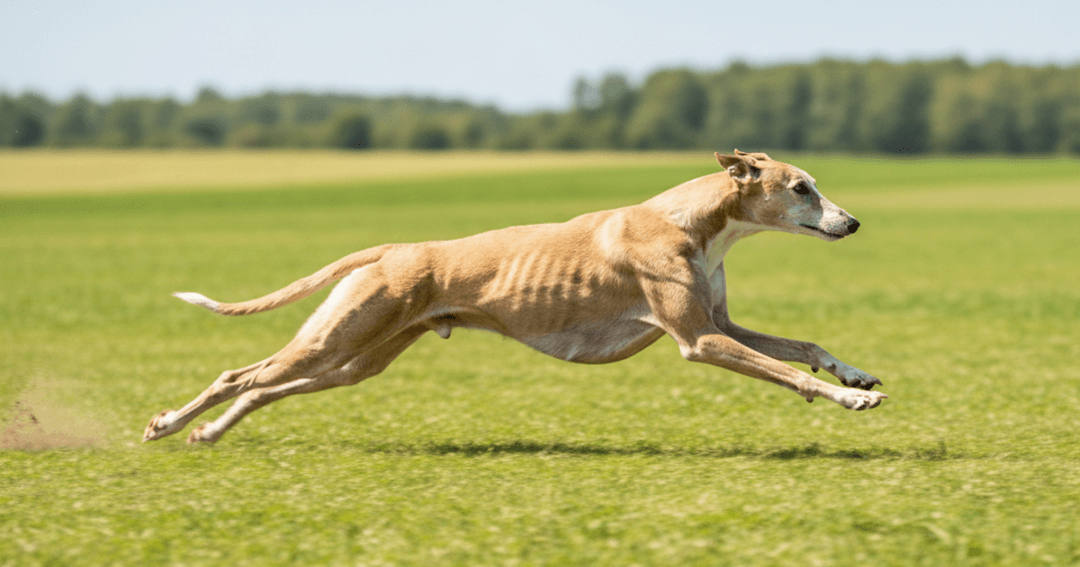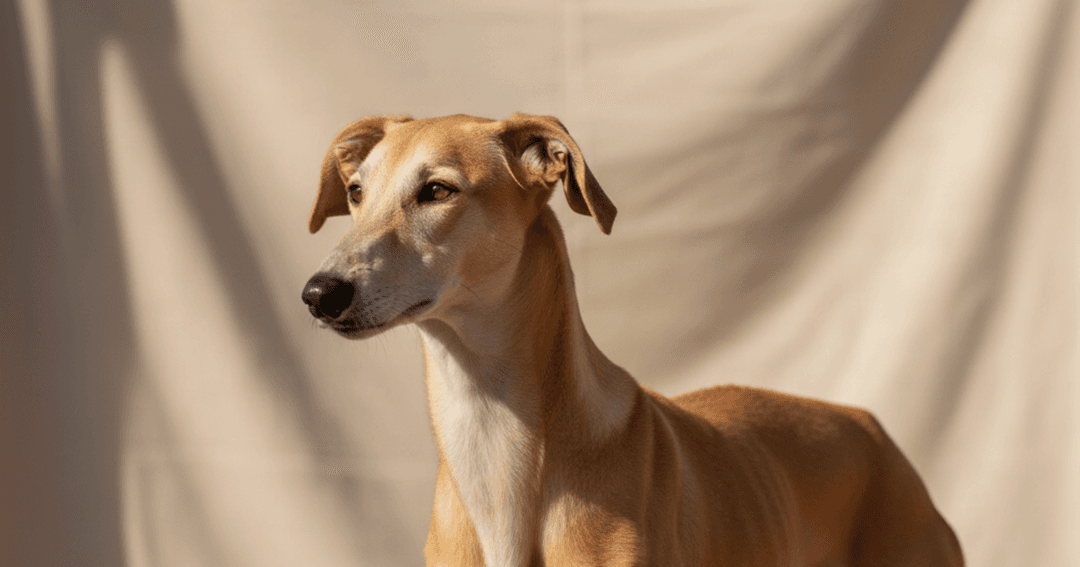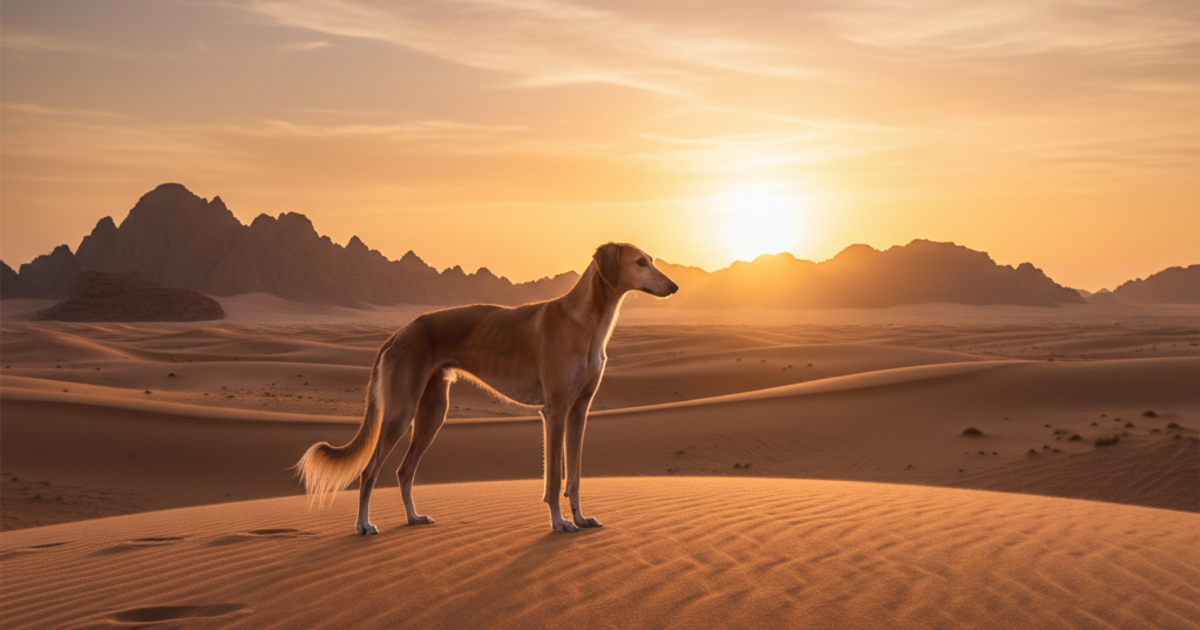
There is no single proven oldest dog breed, but DNA studies place the Saluki, Afghan Hound, Basenji, Akita, Shiba Inu, Chow Chow and a few others among the "basal" breeds that split off earliest from the wolf-like ancestors of dogs. The very first dogs were not breeds at all; they were wolf-descended village dogs that lived alongside people more than 15,000 years ago.
People love to ask which breed is the oldest, but the honest answer has two parts. Dogs themselves are ancient, domesticated from wolves at least 15,000 years ago and possibly much earlier. Breeds, in the modern sense of registered populations with standard looks, are mostly young, created in the last few hundred years. A small group of breeds, however, carry genetic signatures that trace back deep in time and look much like the dogs depicted in ancient art. This guide explains what scientists know about the first dogs, which breeds are considered the oldest, the evidence behind each, how these breeds differ from modern ones and what living with an ancient breed is like. If you are curious about how long different breeds live, try the lifespan calculator.
Dog vs breed: why "first breed" is tricky
A breed is a group of dogs bred for consistent traits and, usually, tracked in a stud book. Most breeds as we know them were developed in the 1800s with the rise of dog shows and kennel clubs. The first dogs, in contrast, were free-living village dogs that slowly diverged from wolves as people and wolves shared resources. So there was no "first breed of dog" in the sense of a named, standardized type; there were early dog populations that spread with human migrations.
What DNA says about the oldest breeds
A well-known 2004 study in the journal Science analyzed DNA from 85 breeds and grouped them by genetic relatedness. Breeds that clustered closest to wolves, which researchers called the basal or ancient group, included:
| Breed | Region of origin | Notes |
|---|---|---|
| Basenji | Central Africa | Barkless, cat-like grooming, ancient hunting dog |
| Saluki | Middle East | Sighthound depicted on ancient Egyptian tombs |
| Afghan Hound | Afghanistan | Elegant sighthound with a long coat |
| Akita | Japan | Large spitz-type, long history in Japan |
| Shiba Inu | Japan | Small, bold Japanese spitz |
| Chow Chow | China | Distinctive blue-black tongue |
| Shar-Pei | China | Wrinkled skin, ancient Chinese origins |
| Siberian Husky | Siberia | Sled dog of the Chukchi people |
| Alaskan Malamute | Alaska | Powerful sled and freight dog |
| Samoyed | Siberia | Fluffy white herding and sled dog |
| Lhasa Apso | Tibet | Monastery companion |
| Tibetan Terrier | Tibet | Companion and herder |
| Pekingese | China | Imperial palace dog |
| Shih Tzu | Tibet/China | Companion breed |
Later research expanded this picture. A larger 2012 and 2017 dataset showed that these breeds are "ancient" in the sense of having been relatively isolated, rather than because the breed as we see it today is older. Their lineages were less mixed by Victorian breeders than most European breeds.
Which breed is truly the oldest?
Different sources point to different breeds, and the claim usually depends on how you define "oldest".
- Saluki. Often called the oldest known breed. Dogs resembling Salukis appear in Sumerian carvings from about 7000 BC and Egyptian tomb art. The Saluki's slender sighthound shape has changed little in appearance for thousands of years.
- Basenji. Genetically one of the most distinct breeds, and many consider it a very early lineage. Dogs like it appear in Egyptian art and in central Africa.
- Akita and other Asian spitz-types. Genetic work suggests Asian breeds sit close to the root of dog diversity.
- Samoyed and Siberian Husky. These northern breeds shared environments with indigenous peoples for centuries and kept an ancient genetic profile.
- New Guinea Singing Dog and Australian Dingo. These are not recognized breeds in the usual sense but are among the most ancient free-living dog lineages.
- Greyhound. Often cited in art and writing from ancient times, though modern greyhounds are a product of recent breeding.
The honest summary: the Saluki and Basenji have the strongest popular claim, backed by art and genetics, while many Asian and Arctic breeds are also very old lineages.
The first dogs
The earliest clear dog remains come from sites in Europe and Siberia dating to more than 14,000-15,000 years ago, and some researchers argue for earlier domestication. A well-publicized 2020 study of ancient DNA found that dogs share a common origin with a now-extinct population of wolves, and that domestication likely happened once or in connected stages in Eurasia. Early dogs were scavengers, helpers in hunting and guards, and gradually became companions.
Early dogs differed from modern breeds in several ways:
- Medium size, often like a modern village dog or dingo
- Prick ears and a curled or sickle tail in many cases
- Short or medium coats in varied colors
- Strong scavenging and hunting instincts
How ancient breeds differ from modern ones
- Independence. Many ancient breeds, such as the Basenji, Chow Chow and Akita, are aloof, independent and less eager to please than gundogs or herders.
- High prey drive. Sighthounds like the Saluki and Afghan will chase small animals instinctively.
- Cat-like habits. The Basenji is known for grooming itself, yodeling instead of barking and being quite clean.
- Hardiness. Many have simple, efficient builds, and some are relatively long-lived for their size.
- Challenging training. They respond best to patient, positive, consistent training and early socialization.
- Strong guarding or pack instincts. Spitz types can be vocal and territorial.
Lifespan and health of ancient breeds
Smaller ancient breeds often live 12-16 years, while larger ones such as the Akita and Malamute usually live 10-13 years. Each breed has its own health risks:
- Basenji: Fanconi syndrome (a kidney disorder), hemolytic anemia, eye problems
- Saluki and Afghan Hound: sensitivity to anesthesia, heart conditions, cancer
- Akita: hip dysplasia, autoimmune disease, thyroid disease
- Shiba Inu: allergies, patellar luxation, glaucoma
- Chow Chow: hip dysplasia, entropion, heat sensitivity
- Siberian Husky and Malamute: eye problems, hip dysplasia, zinc deficiency
- Shar-Pei: skin infections, familial Shar-Pei fever
Choosing a breeder who health-tests and asking a vet about breed-specific risks both help. Use the lifespan calculator for a rough idea of how long your dog may live.
Worked example: matching an ancient breed to a lifestyle
Suppose you want an ancient breed and have an active lifestyle with a fenced yard.
- Saluki or Afghan Hound: need a fenced yard and regular sprinting, quiet indoors, strong prey drive around small animals.
- Basenji: moderate size, high energy, clean, loves puzzles, needs secure fencing and puppy-proofing.
- Shiba Inu: compact, bold and independent, needs recall training and a secure leash habit.
- Akita or Malamute: strong, large dogs for experienced owners with space and time.
- Husky: very high energy and an escape artist, needs lots of daily exercise.
Use the breed selector to compare breed traits against your home and routine.
Are ancient breeds good pets?
They can be wonderful, but many are not first-dog material. They tend to be more independent, so they reward owners who enjoy a thoughtful, patient approach. Early socialization, secure fencing, mental stimulation and consistent routines go a long way. Always meet adult dogs of the breed, and speak to breeders or rescues about temperament before committing.
Feeding ancient breeds
Needs vary by size and activity, but a few points apply broadly.
- Feed a complete-and-balanced diet suited to life stage and size.
- Measure portions. Spitz breeds with thick coats can look heavier than they are, so check body condition by feel.
- Watch for sensitivities. Some breeds, like Shar-Peis and Shibas, are prone to skin allergies.
- Provide mental enrichment such as puzzle feeders and sniff games.
When to call your vet
See your vet if your dog shows lethargy, limping, repeated vomiting, skin problems, eye changes, increased thirst and urination, or sudden behavior changes. Sighthounds need special anesthesia protocols, so mention the breed before any procedure.
The bottom line
No one can crown a single oldest dog breed with certainty, but the Saluki and Basenji lead the popular and genetic arguments, and many Asian and Arctic breeds carry very old lineages. The first dogs were wolf-descended village dogs rather than breeds, and the breeds we know today are mostly recent. Explore breeds that suit your life with the breed selector and check typical lifespans with the lifespan calculator.
Frequently asked questions
PawCalculator Editorial
We combine veterinary references, published guidelines, and calculator-grade modeling. This article is for education, not a substitute for an exam.
+ Follow on PawTalk