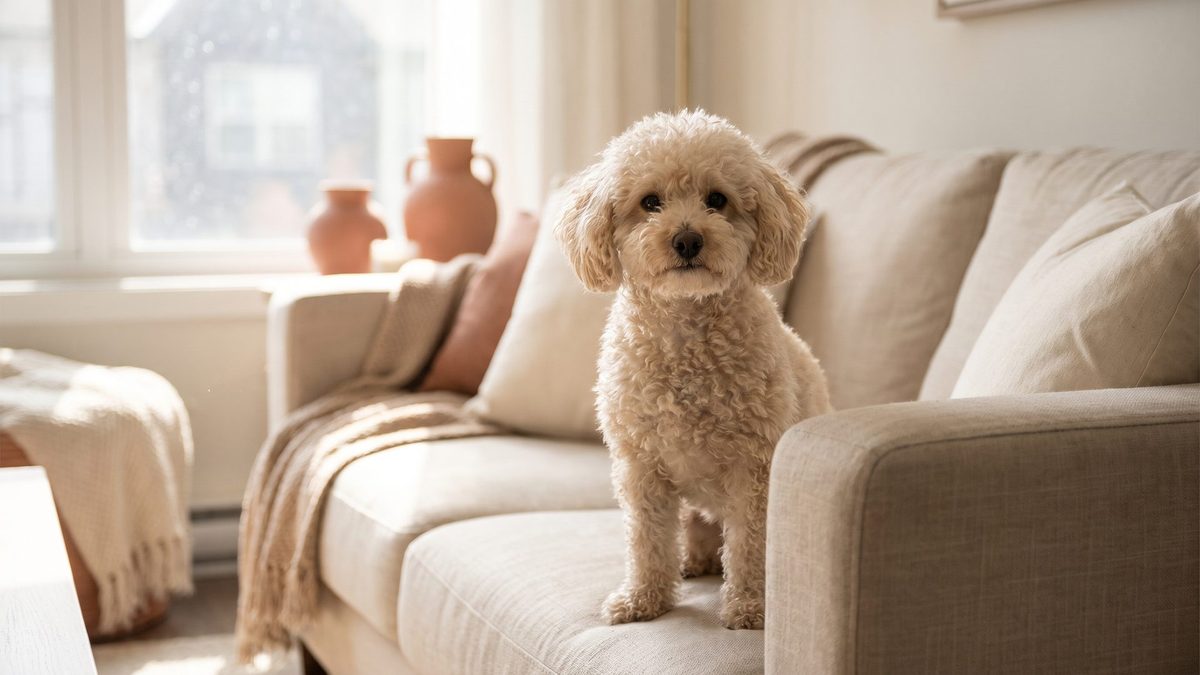
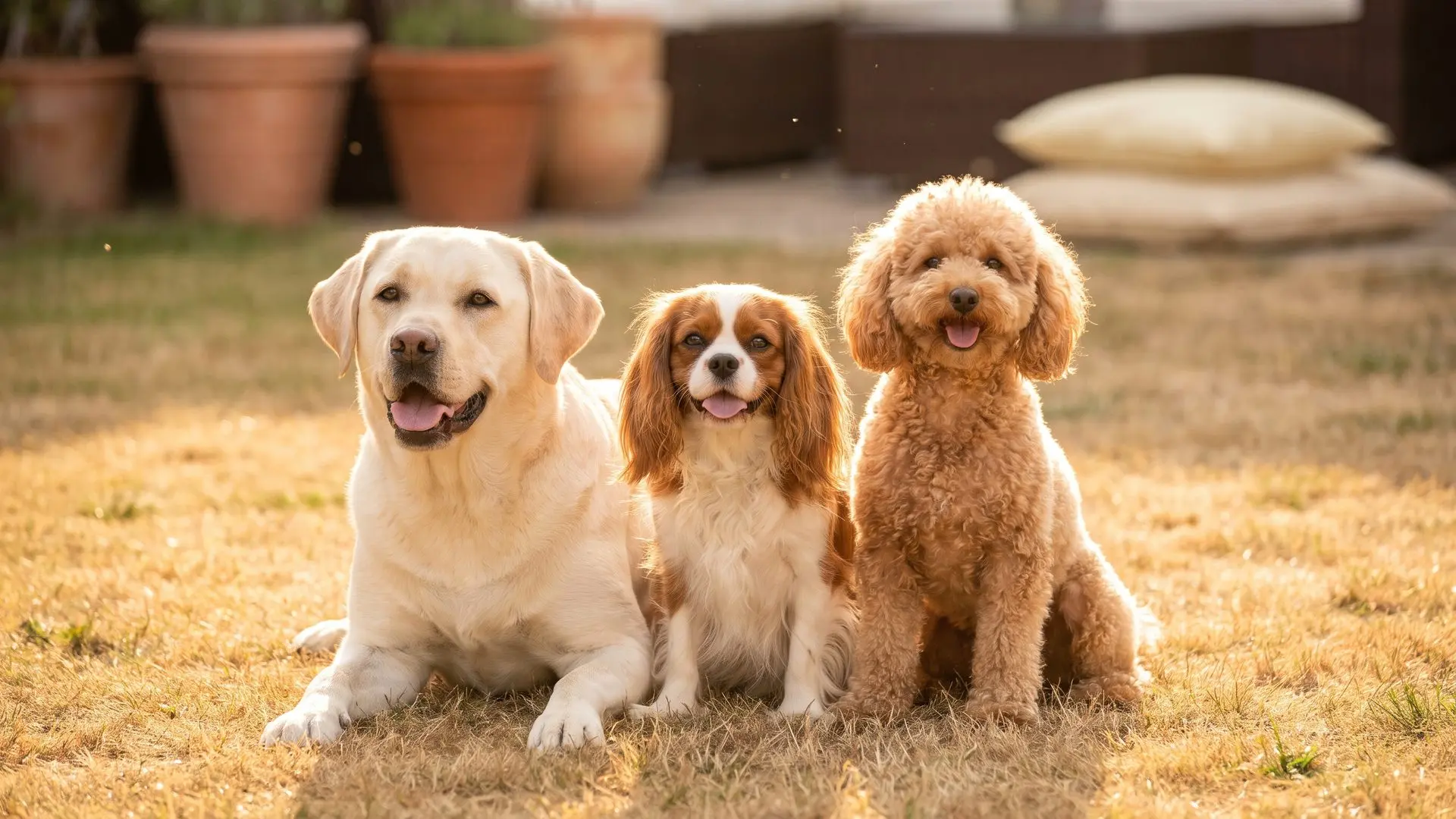
No dog breed is completely non-shedding or truly hypoallergenic, but some shed very little. The most commonly recommended low-shedding breeds include Poodles, Bichon Frises, Portuguese Water Dogs, Schnauzers, Maltese, Yorkshire Terriers, Shih Tzus, Havanese and Soft Coated Wheaten Terriers. They usually have hair-type coats that grow continuously and need regular grooming instead of dropping fur around the house.
Low-shedding dog breeds at a glance
| Breed | Size | Coat and grooming |
|---|
| Poodle (toy, miniature, standard) | Small to large | Curly; professional grooming every 4 to 8 weeks |
| Bichon Frise | Small | Curly; frequent brushing and trimming |
| Portuguese Water Dog | Medium to large | Curly or wavy; regular clipping |
| Miniature and Standard Schnauzer | Small to medium | Wiry; brushing and trimming |
| Maltese | Small | Long silky coat; daily brushing |
| Yorkshire Terrier | Small | Fine silky coat; regular brushing and trims |
| Shih Tzu | Small | Long coat; daily brushing or short trim |
| Havanese | Small | Silky coat; frequent brushing |
| Soft Coated Wheaten Terrier | Medium | Soft, wavy coat that mats easily |
| Lagotto Romagnolo | Medium | Curly; regular trimming |
Low shedding does not mean low maintenance. Breeds that shed little often need regular brushing and professional grooming to prevent mats, which adds cost. See our guide to dog grooming costs.
Why "hypoallergenic" is a myth
Dog allergies are mainly caused by proteins found in dog saliva, dander and urine, not just hair. A major dog allergen is a protein called Can f 1. Hair spreads dander around, so a dog that sheds less may spread less in your home, but every dog produces allergens. Studies published in 2011 and 2012 compared homes with so-called hypoallergenic breeds to others and did not find a reliable difference in allergen levels. That is why veterinary and allergy groups avoid calling any breed hypoallergenic.
Some allergic people tolerate certain dogs better than others, and it can vary dog by dog, not breed by breed. If you or a family member has allergies:
- Spend time with the specific dog before you commit, ideally several visits.
- Talk to an allergist about testing and treatment options.
- Keep the dog out of bedrooms and use HEPA filters.
- Bathe and brush regularly. Ask your vet about frequency.
- Wash bedding and vacuum often.
Shedding versus drooling and dander
Hairless and low-shedding dogs still have skin, dander and saliva. Short-haired breeds may shed more tiny hairs than you notice. Double-coated breeds, such as Huskies and Golden Retrievers, "blow their coat" heavily once or twice a year. Cutting or shaving a double-coated dog is generally not recommended unless advised by a vet or groomer, because the coat helps regulate temperature.
Pros and cons of low-shedding breeds
Pros
- Less hair on furniture and clothes
- Often suit people who dislike fur around the house
- Some are small and suit apartments
Cons
- Frequent grooming and trims, often with professional costs
- Matting if brushing is skipped
- Some breeds are high energy or need lots of training
- Prices for some breeds can be high. See the most expensive dog breeds
Which low-shedding dog is right for you?
- Apartment or small home: Maltese, Havanese, Bichon Frise, miniature Poodle. See best dog breeds for apartments.
- Active family: Standard Poodle, Portuguese Water Dog. See best dog breeds for families with kids.
- First-time owner: Poodle, Bichon Frise, Havanese. See best dogs for first-time owners.
- Allergy-sensitive household: test time with the dog and consult an allergist.
Mixes like labradoodles
Poodle crosses such as Labradoodles and Goldendoodles are marketed as low shedding, but coat type varies within a litter. A puppy may inherit a shedding coat. If low shedding matters, ask the breeder about coat testing and meet adult dogs from earlier litters.
Everyday tools for managing shed hair
Even with a low-shedding breed, a little routine helps. Brush your dog several times a week with a comb suited to the coat, and schedule professional grooming on a regular cycle. Pick up loose hair with a rubber broom or lint roller, and use a vacuum with a HEPA filter if allergies are a concern. Washable covers on furniture and a dedicated dog bed make cleaning easier.
If you prefer a short, easy coat, consider that some smooth-coated dogs shed tiny hairs constantly. Visit a groomer or breeder and ask to handle a grown dog's coat to see how much hair comes off. Seeing adult dogs of the breed is the best way to judge shedding, because puppy coats change as they mature.
Questions to ask a breeder or rescue
Ask how the parents' coats behave, how often they are groomed and what grooming costs in your area. Ask whether anyone with allergies has lived with the dogs. A reputable breeder or rescue will give honest answers and will not promise that a puppy is allergy-proof.
Finally, remember that temperament and energy matter as much as coat. A low-shedding dog that does not suit your routine will cost you more in stress and training than the hair it saves, so choose the whole dog, not just the coat.
Find your match
Use our breed selector to filter breeds by size, energy and grooming needs, and read the dog breed selector guide for more. This guide is general education, not medical advice about allergies.
Related guides
Swap experiences with other owners on the PawTalk breeds forum.
This guide is general education from the PawCalculator team, not veterinary advice. Sources: the American Kennel Club, the AVMA and allergy research published in 2011 and 2012. Every dog and cat is an individual; talk to your veterinarian about your pet's needs.