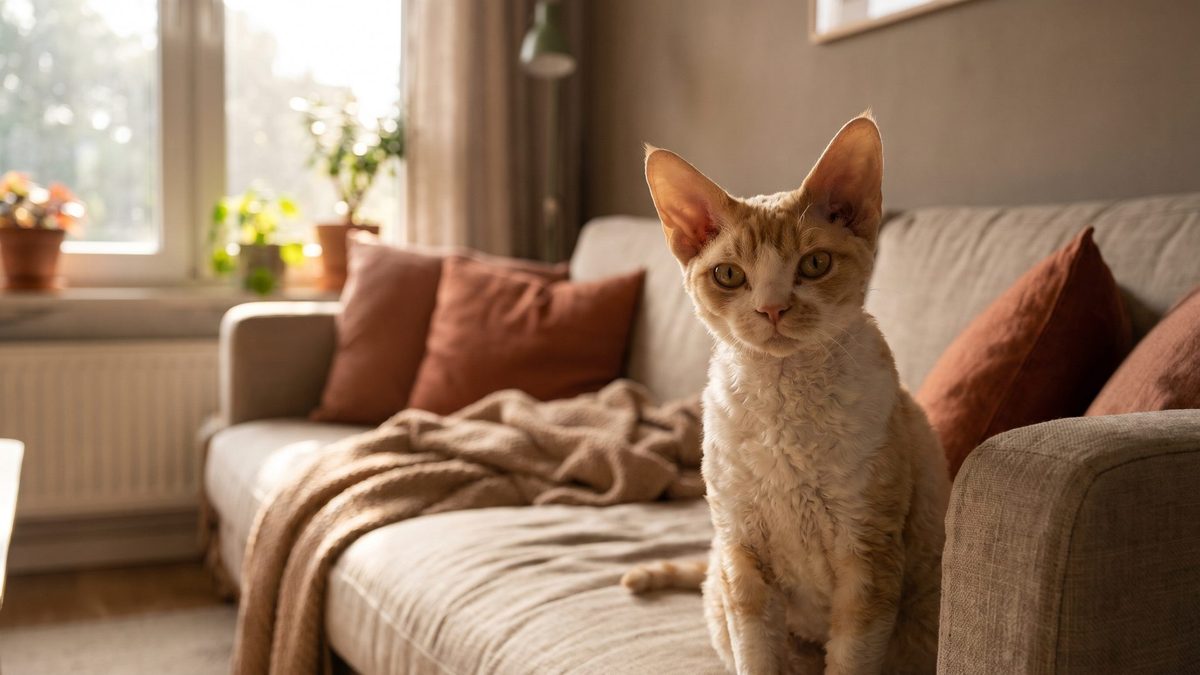
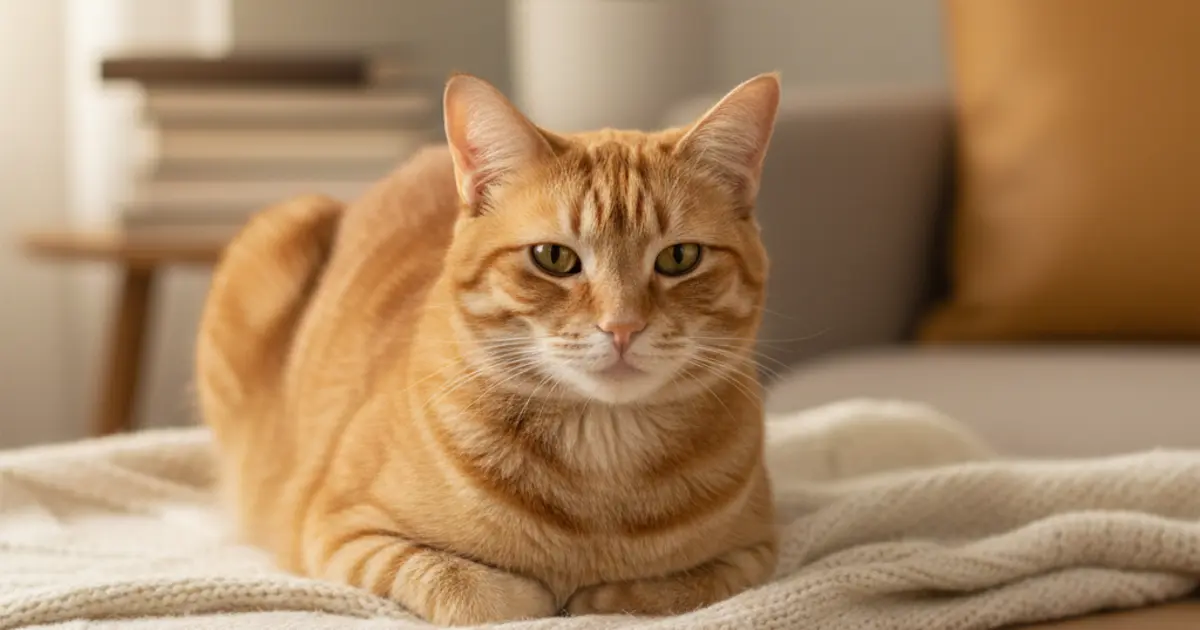
No cat breed is completely non-shedding, but some shed far less or leave less hair around the house. Commonly recommended low-shedding cats include the Sphynx, Devon Rex, Cornish Rex, Siberian, Oriental Shorthair and Bengal. Cats with short or very fine coats often leave less visible hair, while hairless cats still produce skin oils and allergens that need regular care.
Cat breeds that shed less
| Breed | Coat | What to expect |
|---|
| Sphynx | Hairless or fine down | Needs regular bathing to remove skin oils |
| Devon Rex | Short, fine, wavy coat | Sheds little; delicate coat, prone to greasy skin |
| Cornish Rex | Very short, soft coat | Sheds little; likes warmth |
| Siberian | Long, dense coat | Heavy seasonal shedding, yet often tolerated by allergic people |
| Oriental Shorthair | Short, fine coat | Sheds lightly; social and vocal |
| Bengal | Short, dense pelt | Sheds lightly; very active |
| Burmese | Short, glossy coat | Low grooming; sociable |
| Russian Blue | Short, plush double coat | Moderate shedding; reserved but affectionate |
Shedding varies by individual, season and health. Even breeds listed as low shedding can drop hair, and indoor cats shed year-round because of artificial light and heating.
Shedding versus allergies
Cat allergies come mainly from a protein called Fel d 1, produced in cat saliva and skin glands. Cats spread it to their fur while grooming, and it travels on dander. That means hair length alone does not determine allergy risk. A hairless cat still produces allergens, and the amount produced varies between individual cats. There is no strong scientific evidence that any breed is guaranteed hypoallergenic, even though some allergic owners report that they cope better with certain breeds such as the Siberian.
If you have allergies:
- Spend time with the specific cat before committing, ideally multiple visits.
- Talk to an allergist about testing and options.
- Keep the cat out of the bedroom and use HEPA filtration.
- Wash bedding and vacuum regularly.
- Wipe or bathe as advised by your vet or breeder.
How to reduce shedding in any cat
Healthy skin and coat start with good care.
- Brush regularly. Daily or weekly brushing removes loose hair before it lands on furniture. Long-haired cats may need more.
- Feed a complete, balanced diet. Poor nutrition can affect coat quality. Use our cat food calculator to check portions, and see how much to feed a cat.
- Keep your cat at a healthy weight. Overweight cats may struggle to groom. See signs you are overfeeding your cat.
- Check for health issues. Sudden or excessive shedding, bald patches or itchy skin can signal parasites, allergies, stress or illness. See a vet. This guide is general education, not veterinary advice.
- Hydrate. Fresh water supports skin and coat health.
Coat colors and patterns
Coat color does not determine shedding, though some owners notice that dark hair shows more on light surfaces. For more about coat color and patterns, see our cat coat color and pattern guide.
Costs to plan for
Low-shedding does not always mean low maintenance or low cost. Hairless and Rex cats may need bathing, skin care and protection from cold and sun. Purebred kittens from reputable breeders often cost more than adoption fees. Use our cat calorie calculator to plan food and see our cost of owning a cat guide.
Dogs that shed little
If you are comparing dogs and cats, see our guide to dog breeds that don't shed, which covers similar grooming and allergy considerations.
Grooming a low-shedding cat
Short or fine coats still need care. Rex cats can get greasy skin and ear wax buildup, and Sphynx cats need regular baths because there is no fur to absorb skin oils. Ask your vet or breeder how often to bathe and which products are safe. Avoid overbathing, which can dry the skin, and always use cat-safe shampoo.
Long-haired cats that shed less, such as the Siberian, still need brushing to prevent mats. Introduce grooming early and keep sessions short and positive with treats. Trim nails regularly and check ears and teeth during grooming time.
Keeping the home comfortable
Hairless and thin-coated cats get cold easily and can sunburn, so provide warm beds and keep them indoors. A rubber squeegee or damp cloth removes hair from upholstery, and washing blankets weekly cuts allergens. A quality air filter in the main living area helps if someone in the home is sensitive. If you are allergic and want a cat, talk with an allergist about immunotherapy and whether a cat is realistic for your household.
Adopting an adult cat
Many shelter cats have short, sleek coats that shed little, and meeting an adult cat lets you test how you react before committing. Ask the rescue if you can foster for a trial period.
Choosing a cat
A cat's personality, energy and health often matter more than coat. Consider adopting an adult cat whose behavior you can see. Shelters have many cats of all coat types, and some have short or fine coats that shed little. Use our breed selector to compare breeds, and check the breed selector guide for more.
Related guides
Swap experiences with other owners on the PawTalk breeds forum.
This guide is general education from the PawCalculator team, not veterinary advice. Sources: the Cat Fanciers' Association, the AVMA and allergy research on the cat protein Fel d 1. Every dog and cat is an individual; talk to your veterinarian about your pet's needs.