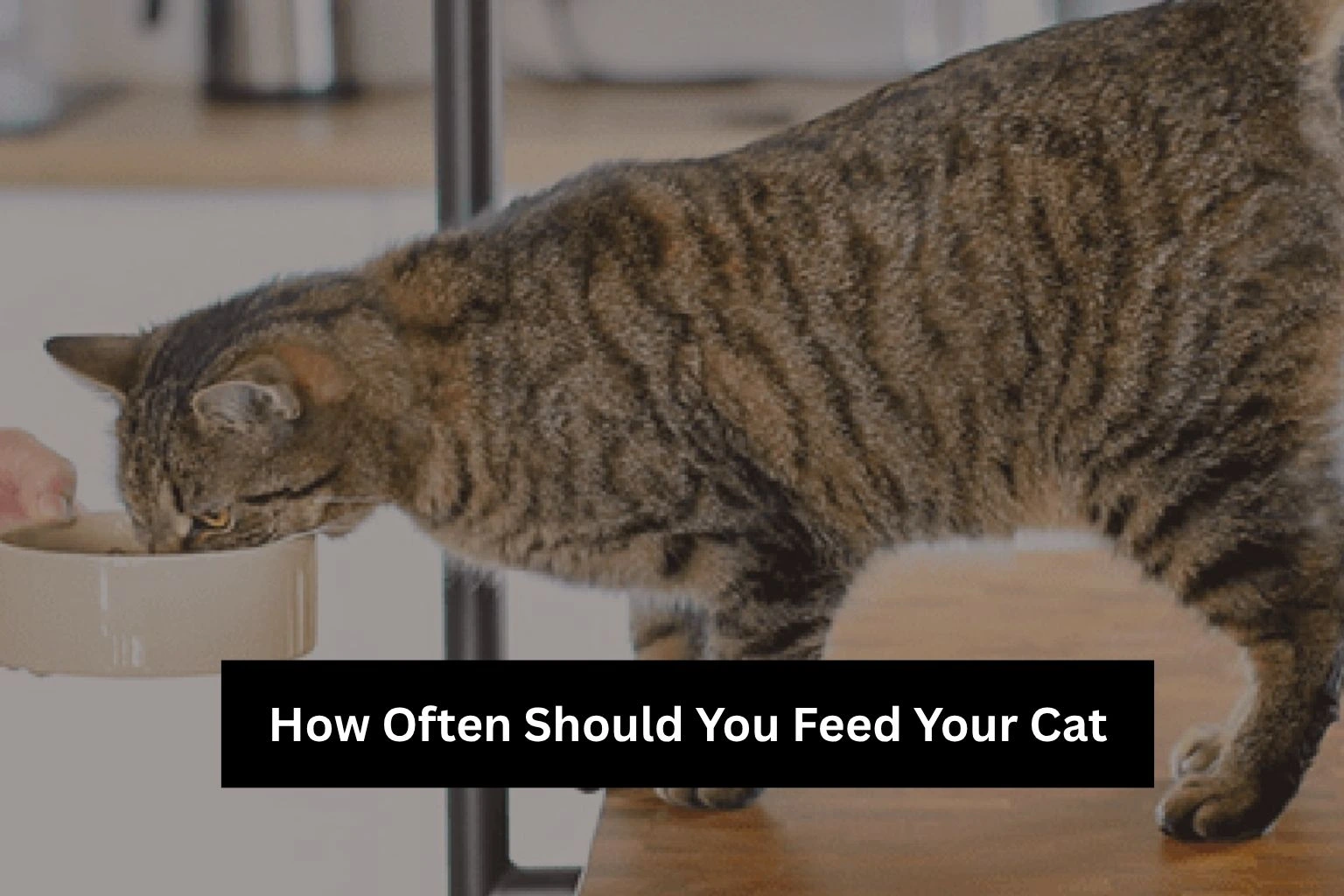
Feeding your cat is not just about how much food you give, but also how often you feed them. Many cat owners either feed too frequently or not enough, which can affect their cat’s health and behavior.
Cats have different feeding needs compared to dogs. Their natural eating pattern is based on small, frequent meals rather than large portions.
This guide explains how often you should feed your cat based on age, lifestyle, and health.
Why Feeding Frequency Matters
Feeding your cat at the right intervals helps maintain:
- Healthy digestion
- Stable energy levels
- Proper weight management
- Balanced metabolism
Incorrect feeding schedules can lead to overeating, obesity, or digestive issues.
How Often Should You Feed a Cat?
The number of meals depends on your cat’s age.
Kittens (0–6 Months)
- 3 to 4 meals per day
- High energy and rapid growth
Young Cats (6–12 Months)
Adult Cats (1–7 Years)
Senior Cats (7+ Years)
- 1 to 2 meals per day depending on health
Natural Feeding Behavior of Cats
Cats are natural hunters. In the wild, they eat multiple small meals throughout the day.
Domestic cats still have this instinct, which is why:
- Smaller meals work better
- Consistent feeding times are important
- Free feeding may lead to overeating
Fixed Feeding vs Free Feeding
Fixed Feeding Schedule
Food is given at specific times during the day.
Benefits:
- Better portion control
- Helps prevent obesity
- Easier to monitor eating habits
Free Feeding
Food is available all day.
Risks:
- Overeating
- Weight gain
- Hard to track intake
A fixed feeding schedule is generally recommended.
Wet Food vs Dry Food Feeding
Dry Food
- Can be left out longer but easier to overfeed.
Wet Food
- Should be served in portions and not left out for long periods.
- A combination of both can work if managed properly.
Since wet and dry portions are not measured the same way, the Cat Feeding Chart shows exact amounts for each food type based on your cat's weight and age, so a fixed schedule still delivers the right total.
Portion Control and Feeding
- Feeding frequency should always be combined with proper portion control.
- Even if you feed twice a day, giving too much food can still lead to weight gain.
Use a calculator for accurate portion sizes:
Cat Calorie Calculator
Or, for a straightforward grams-or-cups portion instead of a calorie target, the Cat Food Calculator works from the same weight and age inputs.
Signs You Are Feeding Too Often
- Weight gain
- Constant snacking
- Lack of appetite during meals
Signs You Are Not Feeding Enough
- Excessive hunger
- Low energy
- Weight loss
Best Feeding Schedule Example
A simple daily routine for an adult cat:
- Morning: First meal
- Evening: Second meal
This schedule keeps energy levels stable and prevents overeating.
Feeding Multiple Cats
If you have more than one cat:
- Feed them separately if needed
- Monitor each cat’s intake
- Avoid competition during feeding
Food is just one line in a multi-cat budget — the Multi-Pet Household Cost Calculator combines it with litter, vet care, and grooming across every cat in the house.
Adjusting Feeding Schedule
You should adjust feeding frequency when:
- Your cat’s weight changes
- Activity level changes
- Health conditions develop
Common Feeding Mistakes
- Feeding too many times per day
- Leaving food out all day
- Not measuring portions
- Ignoring calorie intake
Pro Tip
Cats prefer routine. Feeding them at the same time every day improves digestion and behavior.
Bottom Line
Feeding your cat the right number of times per day is just as important as feeding the right amount. A balanced schedule helps maintain health and prevents common issues like obesity.
For accurate portion planning, use the Cat Calorie Calculator. This ensures your cat gets the right nutrition every day.