Vaccination Side Effects in Dogs and Cats
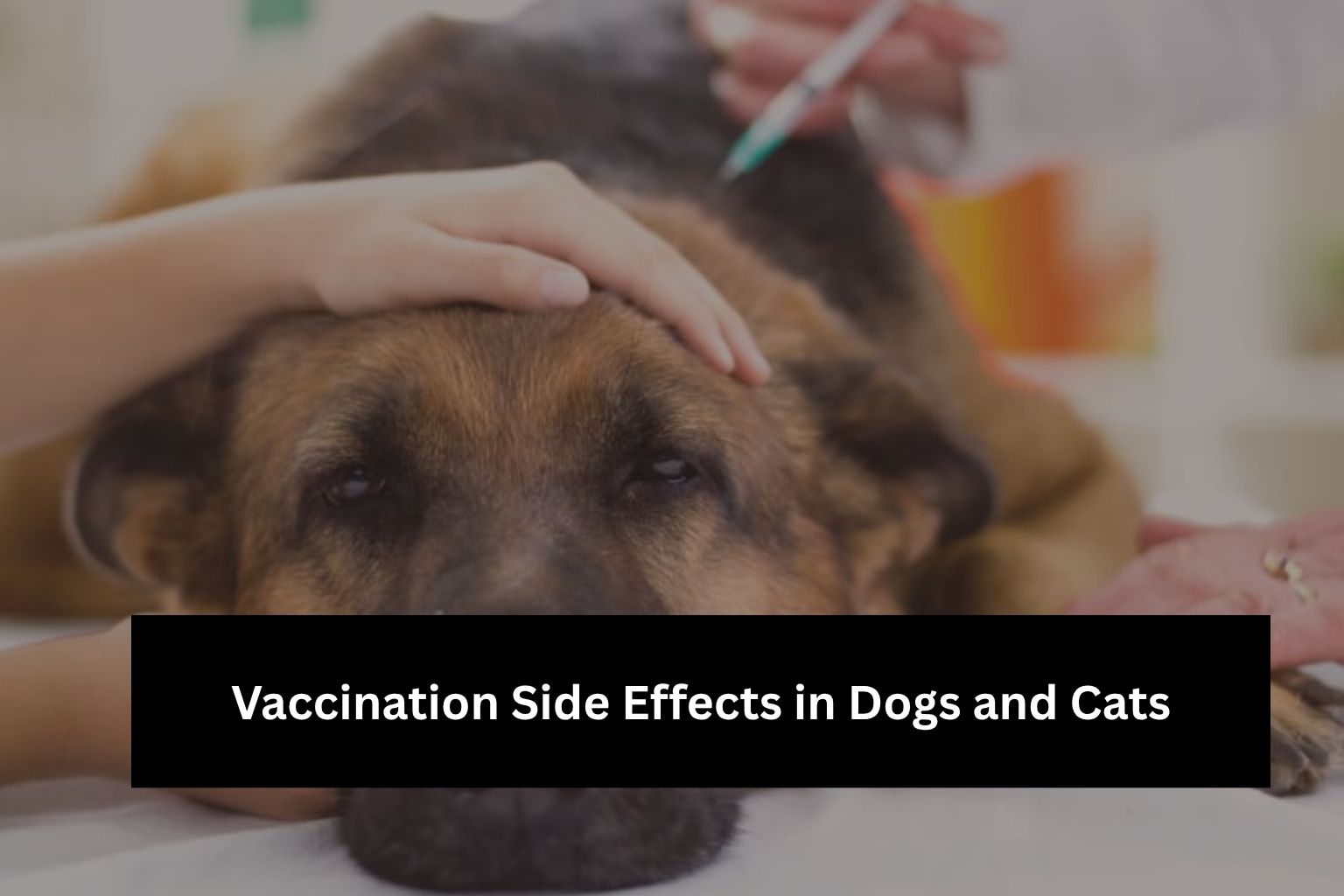
Vaccination Side Effects in Dogs and Cats
You want to protect your pet. That is why you vaccinate. To prevent deadly diseases like rabies, distemper, and parvovirus. But then the phone buzzes. Your friend sends a message. Did you hear about vaccine reactions? Their cousin's dog got sick after shots. Now you are worried. Here is the truth. Vaccines save lives. Millions of them. But like any medical procedure, vaccines carry some risk of side effects. The vast majority of pets experience zero side effects or very mild, temporary symptoms. Serious reactions are rare. But they do happen. And as a responsible pet owner, you need to know what to look for. Before you read the full list of side effects, visit the Paw Calculator to check your pet's vaccination schedule and stay on track. Knowing the difference between a normal reaction and a dangerous one could save your pet's life. Here is exactly what to watch for after your dog or cat gets vaccinated.
1. Mild Lethargy and Sleepiness
This is the most common vaccine reaction in both dogs and cats. And it is usually nothing to worry about. Your pet's immune system is working hard to build protection. That takes energy. Feeling tired for a day or two is normal. What normal looks like.
- Your pet sleeps more than usual
- They are less interested in playing
- They might skip one meal but eat normally by the next day
- Symptoms start within 6 to 24 hours after vaccination
- Everything returns to normal within 24 to 48 hours
What is not normal.
- Lethargy lasting more than 48 hours
- Complete refusal to eat or drink
- Unable to stand or walk normally
- No improvement after two full days
When to act. If lethargy lasts beyond 48 hours or your pet will not eat, call your vet. Most mild lethargy resolves on its own with rest.
2. Mild Fever
A low grade fever is another normal immune response. Your pet's body raises its temperature to fight off what it thinks is an invader. What normal looks like.
- Slightly warmer ears and paw pads
- Your pet seeks cool surfaces to lie on
- Mild decrease in appetite
- Resolves within 24 to 48 hours
What you cannot do. You cannot reliably take your pet's temperature at home without a pet specific thermometer. Normal temperature for dogs and cats is 100 to 102.5 degrees Fahrenheit. Anything over 103 needs veterinary attention. Signs of a significant fever without a thermometer.
- Shivering despite warm environment
- Warm dry nose and warm ears
- Rapid breathing at rest
- Extreme lethargy
When to act. If your pet feels very hot to the touch, is shivering, or has rapid breathing, call your vet. A high fever needs treatment.
3. Soreness at the Injection Site
Your pet may be sore where the needle went in. This is normal and temporary. What normal looks like.
- Your pet flinches when you touch the area
- Mild limping if the vaccine was given in a leg
- Your pet licks the injection site occasionally
A small, pea sized lump under the skin, which can last for weeks and is usually harmless What is not normal.
- Severe limping or refusal to use a leg
- Crying out when touched
- A large lump, bigger than a grape, or a lump that grows over time
- Redness, heat, or discharge from the injection site
When to act. If your pet refuses to use a leg for more than 24 hours or the lump seems large or growing, see your vet. Most injection site lumps resolve on their own within 2 to 4 weeks. Use our Pet Weight Tracker to monitor your pet's overall health before and after vaccines. Changes in weight can help your vet assess vaccine reactions.
4. Sneezing and Mild Respiratory Symptoms
This happens almost exclusively in cats. Some cat vaccines are given as drops or spray in the nose. These vaccines can cause mild cold like symptoms. What normal looks like.
- Sneezing for 3 to 7 days after intranasal vaccines
- Mild clear nasal discharge
- Slightly watery eyes
- Your cat acts normal otherwise, eating and playing
What is not normal.
- Thick yellow or green nasal discharge
- Open mouth breathing
- Loss of appetite lasting more than 24 hours
- Symptoms lasting more than 10 days
When to act. If your cat stops eating, has trouble breathing, or develops colored discharge, call your vet. A mild vaccine reaction should never cause serious illness.
5. Facial Swelling and Hives
This is a more significant allergic reaction. It is still relatively rare but requires attention. Signs of allergic reaction.
- Swelling around the eyes, muzzle, or ears
- Raised red bumps on the skin, hives, especially on the belly or inner thighs
- Itching and scratching more than usual
- Red, inflamed skin
This type of reaction usually happens within minutes to a few hours after vaccination. It is more common in puppies and kittens but can happen at any age. When to act. Call your vet immediately. This reaction often responds well to antihistamines or steroids, but do not medicate your pet without veterinary guidance. Most cases resolve quickly with treatment.
6. Vomiting and Diarrhea
Vomiting or diarrhea after vaccines is not normal. It indicates a stronger reaction that needs attention. What is not normal at all.
- Any vomiting within 24 to 48 hours of vaccination
- Any diarrhea, even one episode
- Vomiting combined with lethargy or fever
- Blood in vomit or stool
One episode of vomiting with no other symptoms might be a fluke. But vomiting after vaccines should always be reported to your vet. When to act. Call your vet the same day. If your pet vomits multiple times or develops bloody diarrhea, go to an emergency vet. Dehydration from vomiting can become serious quickly, especially in small dogs, puppies, and kittens.
7. Collapse or Fainting
This is rare but serious. Anaphylaxis is a severe, whole body allergic reaction that can happen within minutes of vaccination. Signs of anaphylaxis.
- Sudden weakness or collapse
- Pale or white gums
- Cold paws and ears
- Difficulty breathing
- Vomiting and diarrhea simultaneously
- Loss of consciousness
When to act. This is an emergency. Go to the nearest emergency vet immediately. If you are still at the veterinary clinic when this happens, your vet can treat it right away. That is one reason it is wise to wait at the clinic for 10 to 15 minutes after vaccines.
8. Seizures
Seizures after vaccination are very rare. But they can happen, usually in pets with a known seizure disorder or in certain susceptible breeds. Signs of a seizure.
- Sudden collapse with stiff legs
- Paddling or jerking movements
- Loss of consciousness or awareness
- Drooling or foaming at the mouth
- Loss of bladder or bowel control
When to act. This is an emergency. If your pet has a seizure that lasts more than two minutes, or multiple seizures in a row, go to an emergency vet immediately. For a single brief seizure, call your vet right away for guidance.
Which Pets Are at Higher Risk for Vaccine Reactions?
Any pet can react. But some pets have higher risk. Higher risk pets include.
- Small breed dogs, especially Dachshunds, Chihuahuas, and Pugs
- Young adult dogs between 1 and 3 years old
- Pets who have had a vaccine reaction before
- Pets who receive multiple vaccines in one visit
- Cats, especially those receiving the feline leukemia vaccine
What you can do for a high risk pet.
- Ask your vet to space out vaccines over multiple visits
- Request pre vaccination antihistamines if your vet agrees
- Wait at the clinic for 30 minutes after vaccines instead of 15
- Keep a written record of any reaction for future vet visits
When to act. If your pet has reacted before, tell every vet who vaccinates them. That information should be in bold on their medical record.
What to Do If Your Pet Has a Vaccine Reaction
Stay calm. Most reactions are mild and resolve on their own. But you need to know what to do. For mild reactions like lethargy, mild fever, or soreness.
- Keep your pet comfortable and quiet
- Offer small amounts of water
- Do not force them to eat
- Monitor closely for 48 hours
- Call your vet if symptoms worsen or do not improve
For moderate reactions like facial swelling, hives, or vomiting.
- Call your vet immediately
- Do not wait to see if it gets better
- Your vet may recommend bringing your pet in or giving medication at home
- Follow your vet's instructions exactly
For severe reactions like collapse, seizures, or breathing difficulty.
- Go to the nearest emergency vet immediately
- Call ahead if you can
- Do not try to treat this at home
When to act. When in doubt, call your vet. A five minute phone call can tell you whether you need to come in or just monitor at home.
How to Report Vaccine Reactions
Your report helps other pets. Vaccine reactions should be documented. Who to report to.
- Your veterinarian, for their medical records
- The vaccine manufacturer, found on the bottle or insert
- The USDA, which tracks vaccine adverse events
What information to record.
- Date and time of vaccination
- Which vaccines were given
- Which leg or site received each vaccine
- Your pet's age, weight, and breed
- Exact symptoms and when they started
- How long symptoms lasted and what treatment was given
When to act. Report any reaction, even mild ones. Your report helps manufacturers improve vaccine safety and helps vets make better recommendations for future patients.
Should You Still Vaccinate Your Pet?
Yes. The risks of vaccines are very small. The risks of vaccine preventable diseases are very large. Diseases like parvovirus, distemper, and rabies kill thousands of pets every year. The same diseases cause severe suffering before death. Rabies is fatal and can be transmitted to humans. Vaccine reactions are almost always treatable. Vaccine preventable diseases often are not. Not sure which vaccines your pet actually needs? Visit the Paw Calculator to see recommended core and non core vaccines for your pet's age, lifestyle, and location.
Frequently Asked Questions
💡 Put This Knowledge Into Practice
Ready to apply these expert tips? Use our professional pet calculators to get personalized recommendations for your furry friend.
Found this helpful?
Share this guide with other pet owners
Never Miss Expert Pet Care Insights
Get the latest articles, nutrition guides, and health tips delivered to your inbox.
Join 10,000+ pet parents
Stay Updated with Expert Pet Care Tips
Get the latest insights on Royal Canin nutrition, professional training tips, and health advice delivered to your inbox.
✨ No spam, unsubscribe anytime. Your email is safe with us.