Signs Your Cat is Sick 12 Symptoms You Should Never Ignore
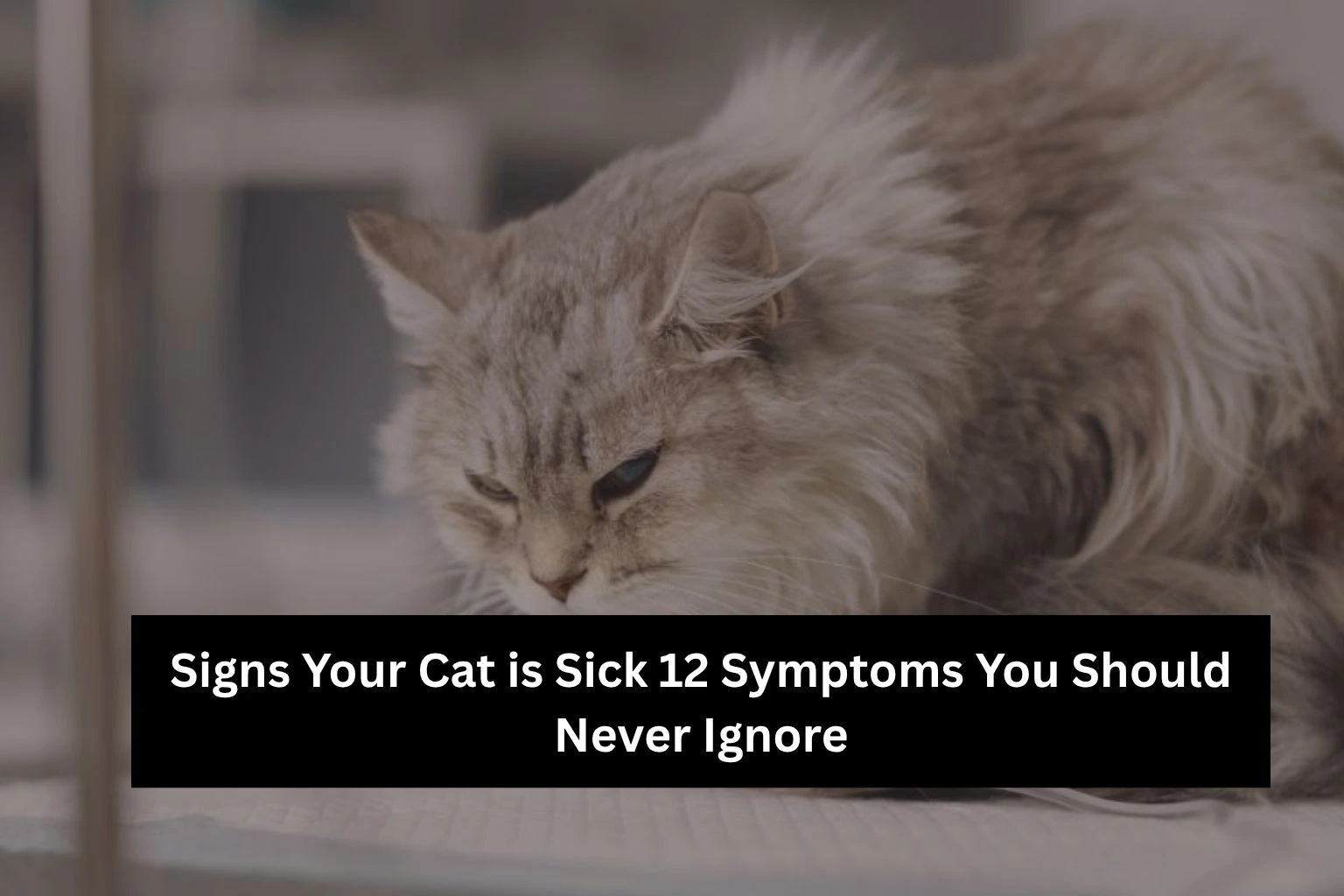
Signs Your Cat is Sick 12 Symptoms You Should Never Ignore
Cats are masters of hiding pain and illness. This survival instinct inherited from their wild ancestors who could not afford to appear weak means that by the time a cat shows obvious signs of being unwell, the problem has often been developing for days, weeks, or even longer. This is one of the most important things every cat owner must understand: a cat that seems fine on the surface may not be fine at all. Subtle behavioural and physical changes are often the only early warning you will get. Knowing what to look for and acting quickly when you see it can make the difference between a simple vet visit and a serious, costly, or even life-threatening situation. Here are the 12 symptoms you should never ignore in your cat.
1. Changes in Eating Habits
Not Eating (Anorexia)
A cat that suddenly stops eating is always a cause for concern. Unlike dogs and humans, cats cannot safely go without food for long periods. When a cat stops eating and begins burning fat for energy, the liver can become overwhelmed leading to a dangerous condition called hepatic lipidosis (fatty liver disease), which can become life-threatening within as little as 48 to 72 hours in some cats. If your cat has not eaten for more than 24 hours, contact your vet.
Eating More Than Usual (Polyphagia)
A sudden, significant increase in appetite especially if paired with weight loss is equally concerning. This can indicate hyperthyroidism, diabetes, or intestinal parasites. When to act: Any change in eating habits lasting more than 24 hours warrants a call to your vet.
2. Changes in Water Intake
Drinking More Than Usual (Polydipsia)
Increased thirst is one of the most important early warning signs of serious illness in cats. It is a classic indicator of:
- Diabetes mellitus: extremely common in middle-aged and older cats
- Chronic kidney disease (CKD): the leading cause of death in senior cats
- Hyperthyroidism: the most common hormonal disorder in older cats
Liver disease
Because cats naturally get much of their water from wet food, changes in drinking behaviour can be subtle. Pay attention to how often your cat visits the water bowl and whether the bowl empties faster than usual.
Drinking Less Than Usual
A cat that suddenly stops drinking is also at risk dehydration sets in quickly and worsens any underlying illness. When to act: Noticeable changes in drinking habits lasting more than a day or two in either direction should be evaluated by a vet.
3. Changes in Litter Box Habits
The litter box is one of the most valuable health monitoring tools you have. Pay attention to changes in:
Urination
Straining to urinate or producing little to no urine: This is a veterinary emergency, particularly in male cats. A urinary blockage can become fatal within 24 to 48 hours if untreated. Urinating outside the litter box: Can indicate a urinary tract infection (UTI), feline idiopathic cystitis (FIC), or a blockage Blood in the urine: Visible blood or pink-tinged urine requires immediate attention Frequent trips to the litter box with little output: A hallmark sign of lower urinary tract disease
Defecation
- Diarrhoea lasting more than 24 to 48 hours
- Straining to defecate
- Blood in the stool
- Constipation particularly common in senior cats and potentially serious if prolonged **When to act: **Any male cat straining to urinate with little or no output is a same-day emergency. Do not wait.
4. Vomiting
Occasional vomiting of hairballs is normal in cats. Frequent or persistent vomiting is not.
Seek veterinary attention if your cat:
- Vomits more than once or twice in a 24-hour period
- Vomits repeatedly over several days even if infrequent
- Vomits blood or material that looks like coffee grounds
- Vomits and shows other symptoms such as lethargy, loss of appetite, or weight loss
- Appears to retch or heave repeatedly without producing anything
Causes of serious vomiting in cats include intestinal blockages, kidney disease, pancreatitis, hyperthyroidism, poisoning, and inflammatory bowel disease (IBD). When to act: Vomiting more than twice in 24 hours, or any vomiting that contains blood — go to the vet same day.
5. Lethargy and Weakness
Cats sleep a lot between 12 and 16 hours per day is completely normal. But there is a clear difference between a cat that is resting comfortably and a cat that is lethargic.
Signs of true lethargy include:
- Reluctance to move even when normally active
- No interest in play, interaction, or food
- Sleeping significantly more than their normal baseline
- Weakness difficulty jumping up to favourite spots, unsteady movement
- Hiding in unusual places and not coming out
Lethargy is a non-specific symptom that accompanies almost every serious illness in cats — from infections and anaemia to organ failure and pain. It should never be dismissed as "just a quiet day." When to act: Lethargy lasting more than 24 hours, or lethargy combined with any other symptom on this list, requires a vet visit.
6. Sudden Weight Loss
Weight loss in cats is a serious warning sign especially in senior cats. Because cats have thick coats, significant weight loss can be difficult to notice visually until it is quite advanced. Make a habit of running your hands along your cat's spine and ribs monthly. You should be able to feel the ribs with light pressure but not see them prominently. Visible spine bones, hip bones, or ribs you can count easily indicate significant weight loss.
Common causes of unexplained weight loss in cats include:
- Hyperthyroidism the most common cause in cats over 10
- Chronic kidney disease
- Diabetes
- Cancer
- Inflammatory bowel disease (IBD)
- Dental pain making eating difficult
- Intestinal parasites
**When to act: **Any unexplained weight loss of more than 10% of body weight — or rapid weight loss over a short period should be evaluated promptly.
7. Respiratory Changes
Breathing problems in cats are always serious. Unlike dogs, cats almost never pant under normal circumstances. Any of the following require immediate veterinary attention:
- Panting in a cat that has not been exercising or overheating, panting is abnormal
- Open-mouth breathing a significant emergency sign in cats
- Rapid, shallow breathing more than 30 to 40 breaths per minute at rest
- Wheezing or crackling sounds during breathing
- Laboured breathing with visible chest or belly movement effort
- Blue or grey colour to the gums or tongue indicates oxygen deprivation and is a critical emergency
Respiratory symptoms can indicate heart disease, fluid around the lungs, asthma, severe anaemia, or respiratory infection. When to act: Any open-mouth breathing, laboured breathing, or blue-tinged gums go to an emergency vet immediately. Do not wait.
8. Eye and Nose Discharge
Eye Discharge
A small amount of clear discharge in the corner of the eye is normal. The following are not:
- Thick, yellow, or green discharge
- Cloudiness or haziness of the eye
- Squinting, keeping one eye closed, or pawing at the eye
- Visible third eyelid (a pale membrane visible in the inner corner of the eye)
- Redness around the eye These signs can indicate conjunctivitis, a corneal ulcer, upper respiratory infection, or herpesvirus all of which require treatment.
Nasal Discharge
Clear nasal discharge can accompany a mild upper respiratory infection and may resolve on its own. Yellow or green nasal discharge, discharge from only one nostril, or discharge combined with sneezing, lethargy, and appetite loss indicates a more significant infection that needs veterinary care. When to act: Eye symptoms that last more than 24 hours or worsen quickly should be seen by a vet. Nasal discharge lasting more than 3 to 4 days, or any coloured discharge, needs evaluation.
9. Coat and Skin Changes
A healthy cat has a clean, smooth, shiny coat. Changes in coat quality are often the first visible sign of an internal health problem. Watch for:
- Dull, dry, or rough coat can indicate nutritional deficiency, thyroid disease, kidney disease, or diabetes
- Excessive shedding beyond normal seasonal amounts
- Matting a cat that stops grooming is often in pain or too unwell to maintain itself
- Bald patches or thinning fur can indicate ringworm, parasites, allergies, or stress-related overgrooming
- Flaky, scaly, or greasy skin possible sign of a skin condition, allergy, or underlying illness
- Sores, lumps, or bumps that were not there before any new lump should be examined by a vet When to act: Sudden changes in coat quality or grooming behaviour lasting more than a week should be evaluated. Any new lump or sore that does not resolve in two to three weeks needs a vet check.
10. Behavioural Changes
Behavioural changes are frequently the earliest and most overlooked signs of illness in cats. You know your cat's normal personality. Trust your instincts when something feels different.
Significant behavioural changes to watch for:
- Hiding a normally social cat suddenly spending all its time under the bed or in a closet
- Increased aggression a normally gentle cat becoming irritable or snappy, often due to pain
- Clinginess a normally independent cat that suddenly cannot leave your side
- Confusion or disorientation walking in circles, getting lost in familiar spaces, staring blankly at walls
- Vocalisation changes increased yowling or crying, especially at night in senior cats (a classic sign of hyperthyroidism, cognitive dysfunction, or pain)
- Loss of interest in play or normal activities
- Sudden litter box avoidance in a previously well-trained cat
In senior cats, sudden behavioural changes should always prompt a vet visit — feline cognitive dysfunction (similar to dementia in humans) and hyperthyroidism are both common and very treatable if caught early. When to act: Any significant personality change lasting more than two to three days should be taken seriously.
11. Mouth, Gum, and Teeth Problems
The mouth is a window into your cat's overall health. Check your cat's mouth monthly if possible.
Signs of concern:
- Pale, white, or grey gums can indicate anaemia, shock, or severe illness; this is an emergency
- Yellow-tinged gums or eyes (jaundice) indicates liver disease or other serious conditions
- Bright red or inflamed gums dental disease or gingivitis
- Bad breath (halitosis) beyond normal, fishy cat breath; severe bad breath can indicate kidney disease, dental disease, or diabetes
- Drooling excessively can indicate nausea, mouth pain, dental disease, or toxin ingestion
- Mouth ulcers or sores visible sores inside the mouth or on the tongue When to act: Pale or yellow gums are a veterinary emergency. Other mouth symptoms should be evaluated at the next available appointment.
12. Limping, Stiffness, or Difficulty Moving
Pain and mobility problems in cats are frequently missed because cats rarely vocalise pain the way dogs do. Instead, watch for:
- Limping or favouring one leg
- Reluctance to jump up to favourite spots they previously used easily
- Stiffness after rest particularly in the morning or after sleeping, which is a classic sign of arthritis
- Sitting or lying in unusual positions to avoid putting weight on a painful area
- Excessive licking or grooming of one specific area cats often lick at a source of pain
- Swelling of a limb or joint
- Crying out when touched in a specific area
Arthritis is extremely common in cats over 10 years old studies suggest more than 90% of senior cats have radiographic evidence of arthritis. Yet most owners never realise their cat is in pain because cats adapt their behaviour so subtly. When to act: Any sudden onset limping seek same-day vet care. Gradual changes in mobility or stiffness in senior cats should be discussed with your vet at the next visit.
When Is It a Veterinary Emergency?
| Symptom | Action |
|---|---|
| Open-mouth breathing or panting | Emergency vet now |
| Blue, white, or pale grey gums | Emergency vet now |
| Male cat straining to urinate with no output | Emergency vet now |
| Collapse or inability to stand | Emergency vet now |
| Seizures | Emergency vet now |
| Suspected poisoning or toxin ingestion | Emergency vet now |
| Severe trauma (fall, accident, bite) | Emergency vet now |
| Laboured breathing | Emergency vet now |
| Not eaten for 48+ hours | Same-day vet visit |
| Vomiting blood | Same-day vet visit |
When in doubt call your vet. A five-minute phone call to describe your cat's symptoms can help you determine urgency quickly.
How to Monitor Your Cat's Health at Home
You do not need to be a vet to keep track of your cat's baseline health. These simple monthly checks take less than five minutes:
- Weight check: weigh your cat monthly, especially seniors. A kitchen scale works for small cats.
- Body condition check: Run hands along the spine and ribs. You should feel ribs but not see them.
- Coat check: look for bald patches, lumps, sores, or changes in texture
- Mouth check: look at gum colour and smell the breath
- Eyes and nose: check for discharge, cloudiness, or asymmetry
- Movement check: watch your cat jump, walk, and climb their normal route Keeping a simple monthly note of your cat's weight and any observations gives your vet invaluable information if something changes.
Frequently Asked Questions
💡 Put This Knowledge Into Practice
Ready to apply these expert tips? Use our professional pet calculators to get personalized recommendations for your furry friend.
Found this helpful?
Share this guide with other pet owners
Never Miss Expert Pet Care Insights
Get the latest articles, nutrition guides, and health tips delivered to your inbox.
Join 10,000+ pet parents
Stay Updated with Expert Pet Care Tips
Get the latest insights on Royal Canin nutrition, professional training tips, and health advice delivered to your inbox.
✨ No spam, unsubscribe anytime. Your email is safe with us.