Raw Diet for Dogs Complete BARF Guide for Beginners
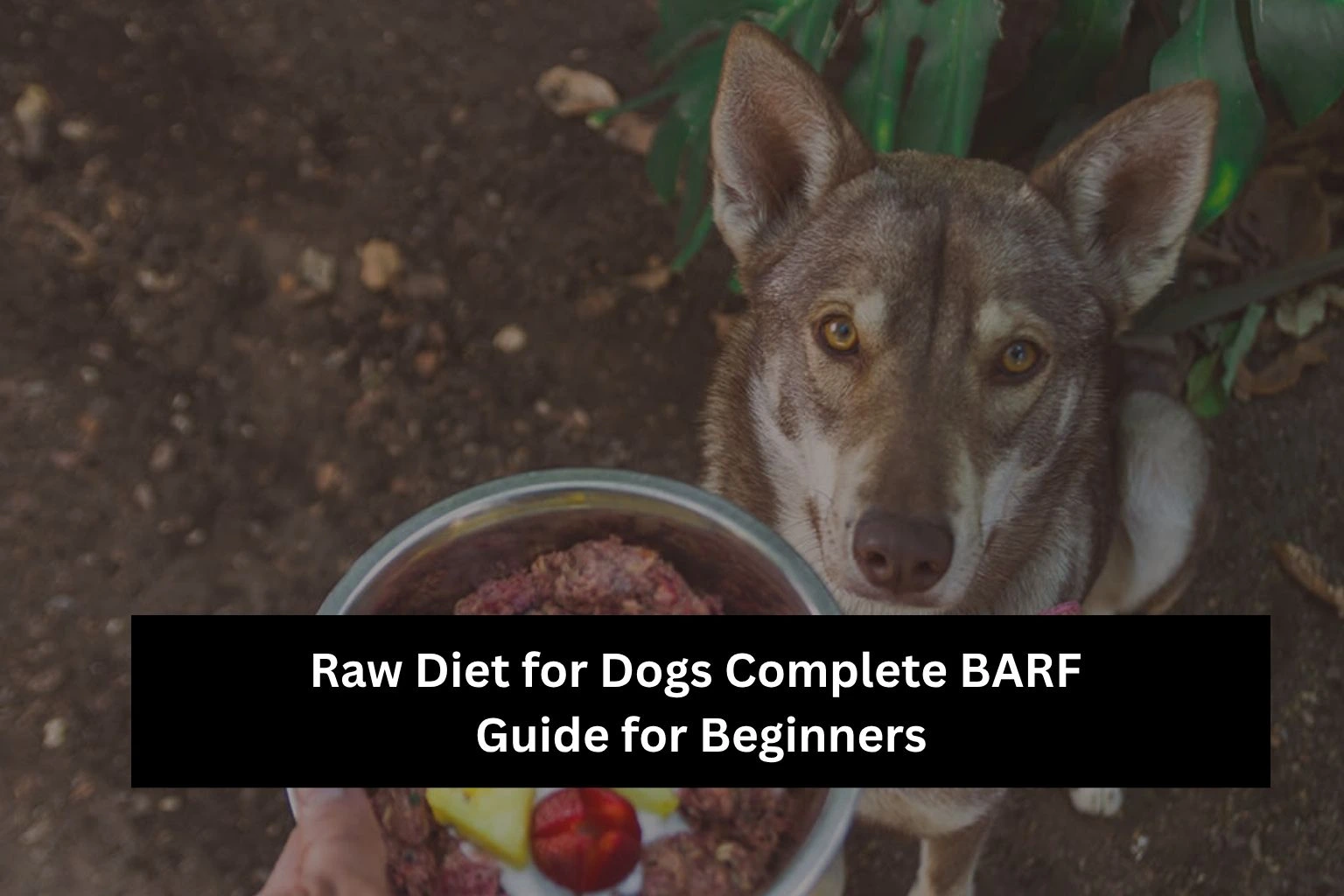
Raw Diet for Dogs Complete BARF Guide for Beginners
More dog owners are moving away from commercial kibble and exploring raw feeding — and for good reason. A raw diet, when done correctly, can improve your dog's coat, digestion, energy levels, and overall health in ways that many processed foods simply cannot match. But raw feeding also comes with real risks if you do not understand the basics. The wrong balance of nutrients, contaminated meat, or missing supplements can cause serious harm. This complete beginner's guide to the BARF diet covers everything you need to know — what it is, what to feed, how much to feed, and how to start safely.
What Is the BARF Diet?
BARF stands for Biologically Appropriate Raw Food — sometimes also called Bones and Raw Food. The concept was popularized by Australian veterinarian Dr. Ian Billinghurst in the 1990s, who argued that dogs thrive on the same diet their wild ancestors evolved to eat. The core idea is simple: feed dogs whole, unprocessed foods that match their natural biology — raw meat, raw bones, organs, and some fruits and vegetables — instead of heavily processed commercial dog food. BARF is not the same as simply tossing raw chicken at your dog. It is a structured, nutritionally balanced approach to raw feeding.
Benefits of a Raw Diet for Dogs
When properly balanced, a raw diet can offer:
- Healthier coat and skin — Many owners report a noticeably shinier coat within weeks
- Smaller, firmer stools — Dogs digest raw food more efficiently, producing less waste
- Better dental health — Raw meaty bones naturally clean teeth and reduce tartar
- Improved digestion — No fillers, artificial preservatives, or low-quality grains
- Higher energy levels — More bioavailable nutrition means better absorption
- Reduced allergies — Many dogs with food sensitivities improve significantly on raw
- Healthy weight management — Easier to control portions and calorie intake These benefits are reported widely by raw feeders, though individual results will vary depending on the dog, the diet quality, and how well it is balanced.
Risks of Raw Feeding — What You Must Know
Raw feeding is not without real risks. Every beginner must understand these before starting:
- Bacterial contamination — Raw meat contains bacteria like Salmonella and E. coli. Healthy adult dogs handle this well, but humans handling the food are at risk. Always wash hands and surfaces thoroughly.
- Nutritional imbalance — An improperly balanced raw diet leads to serious deficiencies over time, especially in calcium, phosphorus, and essential vitamins. Balance is not optional.
- Bone hazards — Cooked bones are dangerous and must never be fed. Raw bones are generally safe, but always supervise your dog while eating.
- Not suitable for all dogs — Puppies under 8 weeks, immunocompromised dogs, pregnant dogs, and dogs with certain health conditions may need a different approach. Always consult your vet first.
The BARF Diet Breakdown: What to Feed
A properly balanced BARF diet follows this general ratio:
| Component | Percentage |
|---|---|
| Muscle Meat | 70% |
| Raw Meaty Bones | 10% |
| Organ Meat (liver) | 5% |
| Other Secreting Organs | 5% |
| Vegetables & Fruit | 7% |
| Seeds, Nuts & Dairy | 3% |
Muscle Meat (70%)
This is the foundation of the diet. Good options include:
- Chicken breast and thighs
- Beef mince and chunks
- Turkey
- Lamb
- Pork (fully frozen first to kill parasites)
- Rabbit
- Duck Rotate proteins regularly to ensure a broad range of amino acids and prevent food sensitivities from developing.
Raw Meaty Bones (10%)
Raw bones provide calcium and phosphorus — two critical minerals that must be balanced in a raw diet. Good options include:
- Chicken necks and wings
- Duck necks
- Lamb ribs
- Turkey necks Never feed cooked bones. Cooking makes bones brittle and splinter into sharp pieces that can perforate the intestines.
Organ Meat — Liver (5%)
- Liver is the most nutrient-dense organ meat and a non-negotiable part of the BARF diet. It is packed with vitamin A, B vitamins, iron, and zinc.
- Feed beef liver, chicken liver, or lamb liver. Do not exceed 5% of the total diet — too much liver causes vitamin A toxicity.
Other Secreting Organs (5%)
Beyond liver, include other secreting organs such as:
- Kidney
- Spleen
- Pancreas
- Brain
- Testicles These organs provide nutrients that are not found in adequate amounts in muscle meat alone.
Vegetables and Fruit (7%)
Dogs are not strict carnivores — they can digest and benefit from plant matter. Lightly blending or lightly steaming vegetables helps break down cell walls for better absorption.
Good vegetables:
- Leafy greens (spinach, kale)
- Broccoli
- Carrots
- Zucchini
- Sweet potato (cooked)
- Cucumber
Good fruits:
- Blueberries
- Apples (no seeds)
- Watermelon (no rind or seeds)
- Banana (in small amounts)
Always avoid:
- Grapes and raisins — toxic
- Onions and garlic — toxic
- Avocado — toxic
- Cherries — toxic
Seeds, Nuts, Dairy & Eggs (3%)
This category adds healthy fats, omega-3s, and variety:
- Raw eggs (shell included for calcium)
- Plain kefir or yogurt (small amounts)
- Pumpkin seeds
- Flaxseed (ground)
How Much to Feed Your Dog on a Raw Diet
A common starting point for adult dogs is 2% to 3% of their ideal body weight per day, split into two meals. Adjust based on your dog's energy level, weight changes, and activity. A highly active working dog may need 3–4%, while a low-activity senior may do better at 1.5–2%. Puppies generally need 5–10% of their current body weight per day, divided into 3–4 meals. Use our Dog Food Calculator to get a more precise amount based on your dog's specific details.
How to Start a Raw Diet: Step-by-Step for Beginners
Step 1: Talk to Your Vet First
Before changing your dog's diet, speak with a vet — ideally one familiar with raw feeding. Get a baseline health check so you can track improvements objectively.
Step 2: Start with a Single Protein
Begin with one protein source only — chicken is ideal because it is widely available, affordable, and easy to digest. Introducing too many proteins at once makes it impossible to identify sensitivities. Feed chicken only for 2 to 3 weeks before introducing a second protein.
Step 3: Transition Slowly
Do not switch cold turkey overnight. A sudden diet change can cause digestive upset even in healthy dogs.
Transition over 7 to 10 days:
- Days 1–3: 75% current food, 25% raw
- Days 4–6: 50% current food, 50% raw
- Days 7–9: 25% current food, 75% raw
- Day 10 onwards: 100% raw
Step 4: Start Simple — Meat Only First
For the first 2 weeks, feed muscle meat only. No bones, no organs, no vegetables yet. This gives the digestive system time to adjust to raw meat before adding more complex components.
Step 5: Add Bones
Once your dog is digesting meat well with no loose stools, introduce raw meaty bones. Start with soft bones like chicken necks and always supervise feeding.
Step 6: Add Organs
Introduce liver in small amounts first — about 1% of the diet. Too much organ meat at once almost always causes loose stools. Increase slowly over 2 to 3 weeks until you reach the full 10% organ ratio.
Step 7: Add Vegetables and Other Components
Once the full meat, bone, and organ ratio is established and your dog is doing well, add blended vegetables, eggs, and dairy in small amounts.
Raw Feeding Safety Rules
Follow these rules every time to keep your family and your dog safe:
- Use separate chopping boards and utensils for dog food — never share with human food preparation
- Wash your hands thoroughly with soap after handling raw meat
- Defrost meat in the refrigerator, never on the counter
- Feed raw meals in an easy-to-clean area
- Discard uneaten raw food after 20 to 30 minutes
- Freeze meat for at least 2 weeks before feeding pork or wild game to kill potential parasites
- Store raw food at the back of the freezer, not the door
- Clean your dog's bowl with hot water and soap after every raw meal
Common Beginner Mistakes on the BARF Diet
Mistake 1: Too Much Liver Too Soon
Liver is extremely rich. Even a small excess causes diarrhea. Start with tiny amounts and build up slowly.
Mistake 2: Feeding Cooked Bones
This is dangerous and a mistake that can cost your dog their life. Only raw bones are safe. Never cook bones that will be fed to your dog.
Mistake 3: Skipping Organs Entirely
Many beginners feed muscle meat and bones but skip organs because they seem unusual. Organs are essential for complete nutrition — they cannot be left out long term.
Mistake 4: Not Rotating Proteins
Feeding only chicken forever leads to nutritional gaps. Rotate through at least 3 to 4 different proteins over time.
Mistake 5: Ignoring Bone-to-Meat Ratio
Too many bones causes constipation and chalky white stools. Too little causes soft stools and calcium deficiency. Stick to the 10% bone guideline.
Mistake 6: Feeding Only Muscle Meat
Muscle meat alone, even in large quantities, does not provide complete nutrition. It lacks adequate calcium, organ-sourced nutrients, and fat-soluble vitamins.
Signs the Raw Diet Is Working
Within the first 4 to 8 weeks of properly balanced raw feeding, you should begin to notice:
- Coat becoming shinier and softer
- Stools becoming smaller, firmer, and less smelly
- Teeth looking cleaner with less tartar buildup
- Improved energy during walks and play
- Fewer digestive issues such as gas and bloating
- Reduced itching or skin irritation in allergy-prone dogs If you notice the opposite — persistent loose stools, weight loss, lethargy, or vomiting — review the diet balance and consult your vet.
Frequently Asked Questions
💡 Put This Knowledge Into Practice
Ready to apply these expert tips? Use our professional pet calculators to get personalized recommendations for your furry friend.
Found this helpful?
Share this guide with other pet owners
Never Miss Expert Pet Care Insights
Get the latest articles, nutrition guides, and health tips delivered to your inbox.
Join 10,000+ pet parents
Stay Updated with Expert Pet Care Tips
Get the latest insights on Royal Canin nutrition, professional training tips, and health advice delivered to your inbox.
✨ No spam, unsubscribe anytime. Your email is safe with us.