How To Transition Overweight Indoor Cats to Weight Loss Foods Using a Cat Calorie Calculator
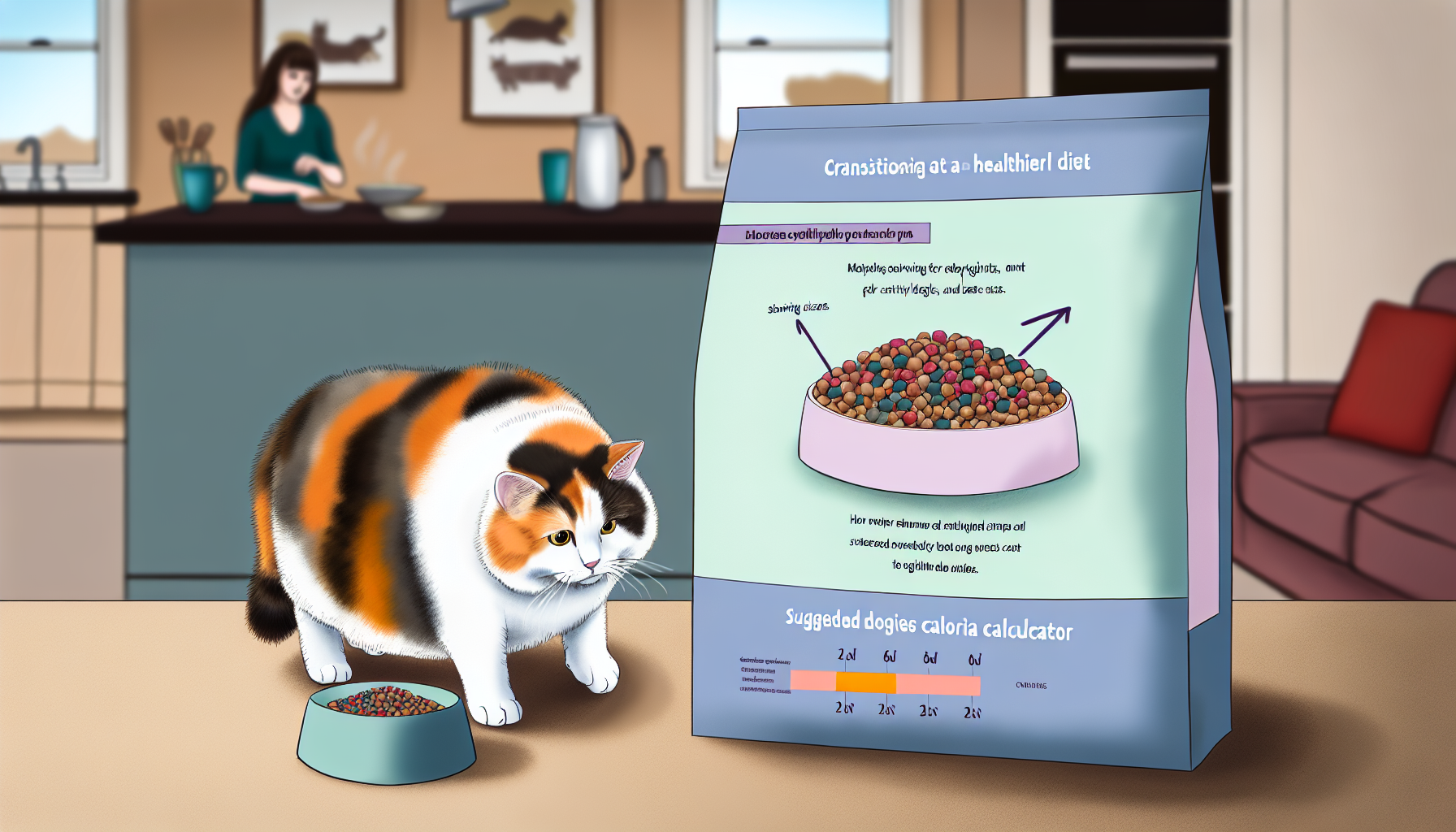
`It can feel overwhelming when your beloved indoor cat is struggling with extra pounds. Many cat parents worry about how to make the switch from regular kibble to a specialized weight reduction cat food. The good news? With the right approach and tools, such as the cat calorie calculator, you can ensure a smooth, stress-free transition for your feline friend.
Why Changing Your Overweight Cat’s Food Requires a Thoughtful Plan
Cats can be notoriously picky, and sudden dietary switches may lead to rejection or digestive upset. Indoor cats, in particular, need gradual change, especially when it comes to weight management.
A carefully managed transition not only increases acceptance of the new food—whether it’s Hills weight management cat food or another good cat food for weight loss—but also sets the stage for sustained, healthy weight reduction.
Step-By-Step Guide to Transitioning to Feline Weight Loss Food
Step 1: Assess Your Cat’s Calorie Needs
Start by using a cat weight loss calculator or a cat nutrition calculator to establish your cat’s daily caloric requirements. Knowing how many calories your cat should consume is crucial before introducing new food—whether you choose the best cat weight loss dry food or a veterinary-recommended formula.
Step 2: Gradually Mix Old and New Foods
Begin by mixing approximately 25% new weight reduction cat food with 75% of your cat’s current food. Over 7-10 days, slowly increase the proportion of the new food while decreasing the old. This gentle approach reduces tummy troubles and food refusal.
Step 3: Monitor Progress With Technology
Track your cat’s reaction, daily intake, and weight using the weight-tracker tool. Adjust feeding portions by recalculating with the cat calorie calculator each week. If you’re unsure about changes in activity or age affecting needs, try the pet-age-calculator as a secondary reference.
Step 4: Select the Right Food for Your Cat’s Taste and Needs
Some picky eaters prefer dry kibble, others relish wet food—explore the best cat food for overweight indoor cats respected by vets. Consider your cat’s flavor preferences alongside the food’s nutrition profile for best results. If choosing the best cat weight loss dry food, check reviews and ensure it meets your cat’s specific needs. Find here a practical guide to using a cat calorie calculator for indoor cat weight loss.
Supporting Success Through Routine and Enrichment
Beyond food, create a daily feeding and play schedule to boost your cat’s activity. Utilize interactive toys and vertical spaces to simulate “hunting,” helping burn calories naturally. For more on calorie calculation and monitoring, see how to calculate your cat’s daily calorie needs for safe indoor cat weight loss.
Conclusion: Empower Cat Weight Loss With Smart Tools
Switching your overweight indoor cat to weight management cat food is achievable—especially when guided by a cat calorie calculator, some patience, and ongoing monitoring. These trusted resources allow you to personalize your approach for a healthier, happier feline. `
Frequently Asked Questions
💡 Put This Knowledge Into Practice
Ready to apply these expert tips? Use our professional pet calculators to get personalized recommendations for your furry friend.
Found this helpful?
Share this guide with other pet owners
Never Miss Expert Pet Care Insights
Get the latest articles, nutrition guides, and health tips delivered to your inbox.
Join 10,000+ pet parents
Stay Updated with Expert Pet Care Tips
Get the latest insights on Royal Canin nutrition, professional training tips, and health advice delivered to your inbox.
✨ No spam, unsubscribe anytime. Your email is safe with us.