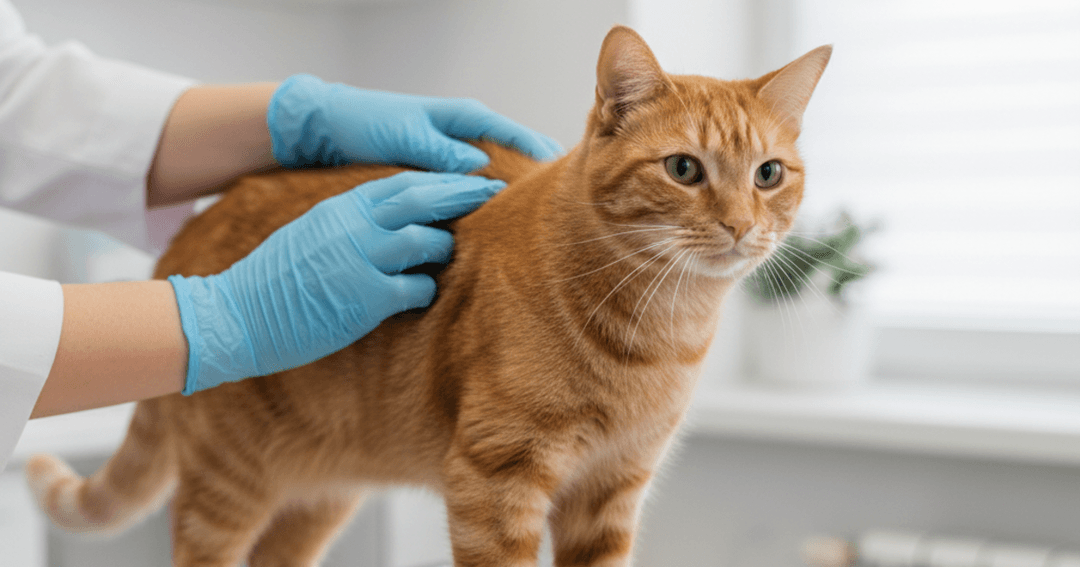
What Diazepam Actually Does for Dogs
Diazepam — you probably know it by its brand name, Valium — is one of the oldest benzodiazepines still in regular use in veterinary medicine, even though it was developed for people back in the 1960s. Vets reach for it because it does two things well: it calms an overactive nervous system, and it can stop a seizure in progress faster than almost anything else in the clinic bag.
That dual use is exactly why you'll see diazepam prescribed in such different situations. One dog gets it as an emergency injection mid-seizure at an ER vet. Another gets a single tablet an hour before a car ride to the groomer. Same drug, two very different jobs, and the dosing looks nothing alike depending on which one your dog actually needs.
One thing that sets diazepam apart from gabapentin or trazodone: it's a Schedule IV controlled substance in the US. That means your vet has to document and track it more carefully, you generally can't get an early refill without a documented reason, and long-term daily use carries a real tolerance risk that the newer, non-controlled options mostly avoid.
Diazepam Dosage Chart for Dogs by Weight
The range below reflects what's commonly cited in veterinary pharmacology references, including Plumb's Veterinary Drug Handbook, for standing anxiety or muscle-relaxant dosing — not the emergency seizure protocol, which is handled entirely by a vet using IV or rectal routes. This is general reference information, not a prescription. Your vet sets the actual number based on why your dog needs it, their liver function, and anything else they're taking.
| Dog's Weight | Low-End Dose (0.5 mg/kg) | High-End Dose (2 mg/kg) |
|---|---|---|
| 10 lbs (4.5 kg) | 2 mg | 9 mg |
| 20 lbs (9 kg) | 4.5 mg | 18 mg |
| 30 lbs (13.6 kg) | 7 mg | 27 mg |
| 40 lbs (18 kg) | 9 mg | 36 mg |
| 50 lbs (22.7 kg) | 11 mg | 45 mg |
| 60 lbs (27 kg) | 14 mg | 54 mg |
| 70 lbs (31.8 kg) | 16 mg | 64 mg |
| 80 lbs (36 kg) | 18 mg | 73 mg |
| 90 lbs (40.8 kg) | 20 mg | 82 mg |
| 100 lbs (45 kg) | 23 mg | 91 mg |
Vets usually start at the low end and adjust from there, dosed two to three times a day for standing anxiety or spasm control. For an exact figure based on your dog's current weight, work it out from the mg/kg range above (weight in lbs ÷ 2.2 = kg) rather than eyeballing a chart built for a dog that isn't yours, and confirm the result with your vet.
Why the Dose Depends Entirely on What It's Treating
Diazepam dosing swings more than most drugs on this site, and the differences aren't cosmetic — they reflect genuinely different clinical goals:
- Seizure emergency (status epilepticus, cluster seizures): 0.5–1 mg/kg, given IV or rectally by a vet, often repeated within minutes if the seizure doesn't stop. This isn't something you dose at home unless your vet has specifically set you up with a rectal gel protocol for a known seizure disorder.
- Situational anxiety (storms, vet visits, fireworks): a single oral dose, roughly 0.5–2.2 mg/kg, given 30-60 minutes before the trigger.
- Muscle relaxation (back spasm, spinal injury recovery): similar range to the anxiety dose, but scheduled two to three times daily for a defined recovery window.
- Appetite stimulation: used far more in cats than dogs, though occasionally tried short-term in a dog recovering from illness.
Notice that the seizure dose and the anxiety dose overlap in mg/kg terms but are given completely differently — one is an emergency medical intervention, the other is a planned dose you give at home. Mixing those two mental models up is the most common source of confusion with this drug.
Diazepam for Seizures: The Emergency Use Case
This is where diazepam earns its long-standing reputation. Onset after IV administration is a matter of minutes, which matters enormously when a seizure that runs past five minutes starts putting real strain on a dog's body temperature and oxygen levels. For dogs with a known history of cluster seizures, some neurologists set owners up with a rectal diazepam gel to administer at home between seizures, buying time on the way to the clinic. This is a specific, pre-arranged protocol — not something to attempt without your vet walking you through it first.
Diazepam for Situational Anxiety in Dogs
For the car-ride-to-the-vet, thunderstorm-is-coming kind of anxiety, diazepam works fast enough to matter, which is its main appeal over slower-acting options. The catch: a meaningful minority of dogs get the opposite of the intended effect. It's called paradoxical excitement, and it's a well-documented quirk of benzodiazepines specifically in dogs — instead of settling down, the dog gets more restless, vocal, or wound up. Because of this, most vets recommend a test dose at home on a calm day before relying on it for something high-stakes like a fireworks show or a long car trip. For milder situational stress, some owners try Benadryl first, since it is over-the-counter and non-controlled — though it is a much gentler antihistamine sedative, not a true anxiolytic like diazepam.
Common Side Effects
Sedation and mild wobbliness, or ataxia, are by far the most common effects, especially after the first dose or two while a dog adjusts. Beyond that, watch for:
- Drowsiness or noticeable lethargy
- Loss of coordination, particularly in the back legs
- Increased appetite
- The paradoxical excitement described above — agitation instead of calm
- Occasional mild GI upset
Most of these settle within the first few doses, or resolve entirely once your vet adjusts the amount.
Signs of Overdose and When to Call the Vet
Diazepam overdose usually happens because a dog gets into a full bottle, not because a correctly measured dose was given. Watch for extreme sedation, inability to stand, pronounced loss of coordination beyond the normal mild wobble, vomiting, and — in serious cases — slowed or labored breathing.
If your dog gets into diazepam, call your vet or ASPCA Animal Poison Control (888-426-4435, 24/7, consultation fee applies) right away rather than waiting to see if symptoms show up. Bring the bottle so they can see exactly what strength it was and how many tablets are missing.
Diazepam and Drug Interactions
Combining diazepam with other sedatives — opioids, trazodone, gabapentin, acepromazine — compounds sedation more than either drug alone, so any combination needs to come from your vet, not from stacking leftover prescriptions from different visits. A separate but important note: cats metabolize oral diazepam very differently from dogs and can develop acute, sometimes fatal liver damage from it. If you have both a dog and a cat in the house, keep diazepam somewhere the cat genuinely cannot reach.
One more thing worth flagging specifically for this drug: dogs on daily diazepam for an extended stretch shouldn't stop cold turkey. Abrupt discontinuation after prolonged use can trigger rebound seizures or a spike in anxiety, so any tapering needs to be planned with your vet.
Diazepam vs. Gabapentin and Trazodone for Dogs
They get compared a lot because they all show up in the same "dog seems anxious" conversation, but they're not interchangeable. Diazepam wins on speed — it's the fastest-acting of the three and remains the drug of choice for an actual seizure emergency. For everyday, ongoing anxiety, though, most vets now lean toward trazodone or gabapentin first, since both carry a lower dependence and tolerance risk with regular use than a controlled benzodiazepine. Diazepam still earns its spot in the cabinet for the situations where speed genuinely matters — it's just not usually the first prescription reached for on a random Tuesday.
Recommended Tools
- Dog Medication Dosage Hub — Compare dosing references across the most commonly asked-about dog medications.
- Gabapentin Dosage Calculator — Another common choice for situational anxiety, with a different mechanism and side-effect profile.
- Trazodone Dose Calculator — Often the preferred option for ongoing, day-to-day anxiety management.
- Vet Cost Estimator — Budget for the visit where a controlled substance like this actually gets prescribed and monitored.
Before You Give the First Dose
Confirm the exact amount against what your vet prescribed, watch your dog closely for the first couple of doses, and keep a note of how they respond — especially whether you're seeing calm or the paradoxical agitation some dogs get. Anything beyond mild wobbliness, or any sign your dog can't stand normally, is a call to the vet rather than a wait-and-see.
Frequently asked questions
PawCalculator Editorial
We combine veterinary references, published guidelines, and calculator-grade modeling. This article is for education, not a substitute for an exam.
+ Follow on PawTalk