Why "Cat BMI" Isn't a Real Medical Term
Human BMI works because it's a simple height-to-weight ratio applied across a fairly uniform species. Cats don't have that — a 4-pound Singapura and a 15-pound Maine Coon can both be perfectly healthy, and neither number tells you anything on its own. There's no official feline BMI formula, but "cat BMI calculator" has become the common way people search for the same underlying question: is my cat carrying too much, too little, or about the right amount of weight?
Vets answer that question with Body Condition Score (BCS), not a height-weight ratio — and that's what the Cat BMI Calculator is built around: a weight-based estimate paired with the hands-on BCS check that actually matters.
Body Condition Score: The Real Standard
Most vets use a 9-point BCS scale (some clinics use a simplified 5-point version). Here's the 9-point breakdown:
| BCS | Category | What It Looks/Feels Like |
|---|---|---|
| 1-3 | Underweight | Ribs, spine, and hip bones visible or easily felt with no fat cover; obvious waist and abdominal tuck |
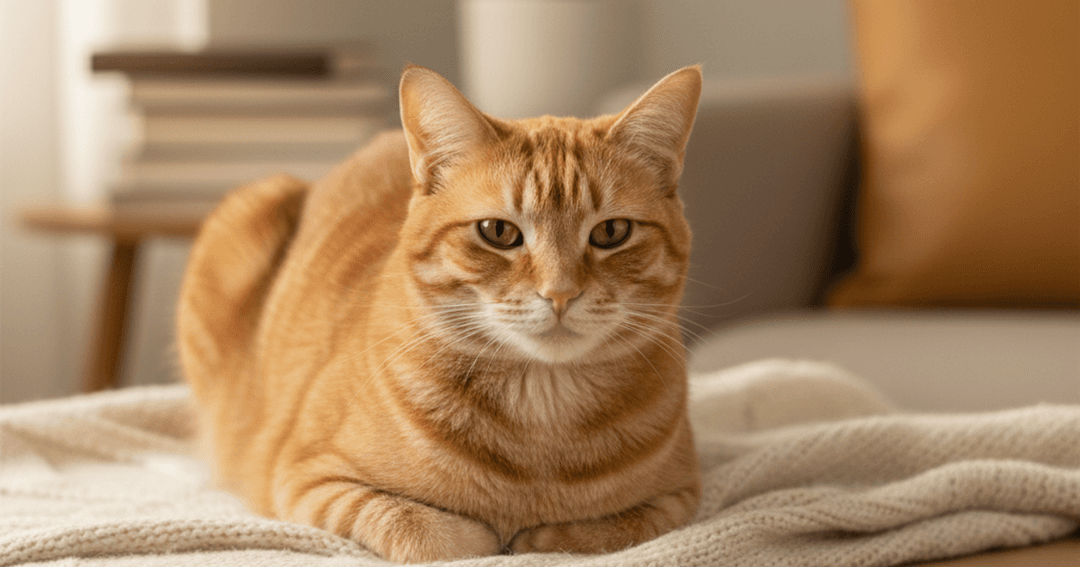
| 4-5 | Ideal | Ribs easily felt with slight fat cover; visible waist from above; abdominal tuck present |
| 6-7 | Overweight | Ribs felt with difficulty under moderate fat cover; waist barely visible; minimal abdominal tuck |
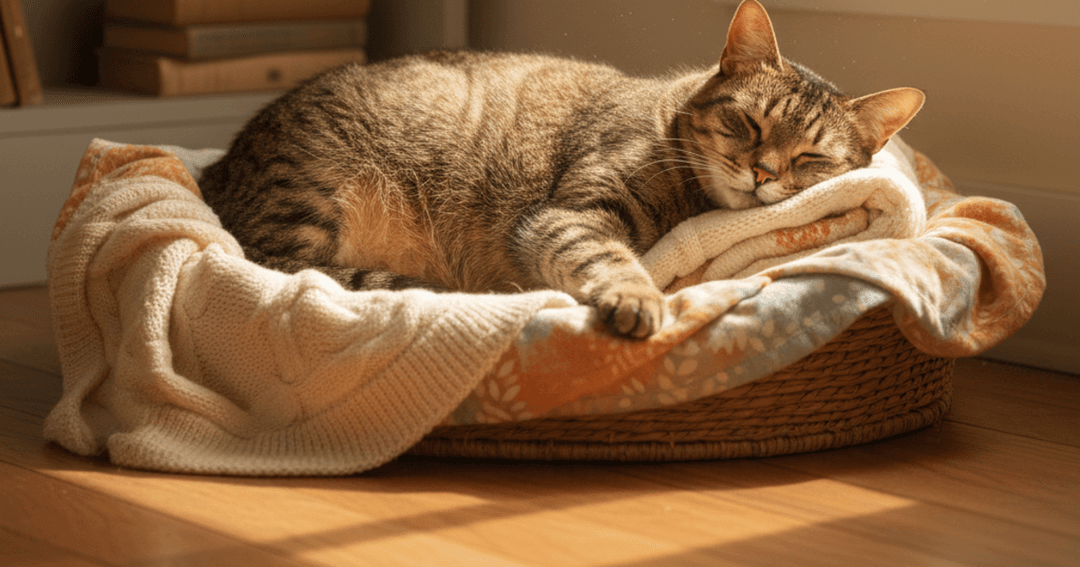
| 8-9 | Obese | Ribs very hard to feel under heavy fat; no waist; rounded abdomen with no tuck, fat deposits over the back and base of tail |
Roughly 60% of cats in the U.S. are classified as overweight or obese by veterinary assessment — meaning if you're not sure where your cat lands, "somewhere on the heavier side" is statistically a reasonable guess.
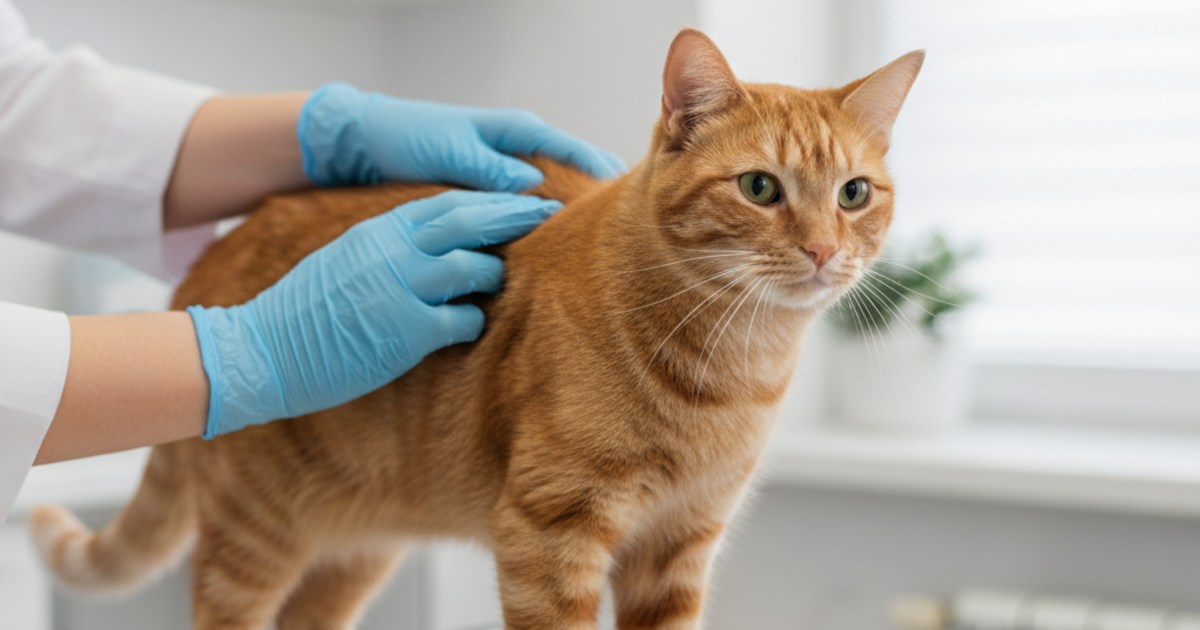
How to Do a Hands-On BCS Check at Home
Feel the ribs. Run your hands along your cat's sides. You should feel ribs with light pressure, similar to feeling the back of your hand — not seeing them prominently, but not needing to dig through fat to find them either.
Look for a waist from above. Standing over your cat, there should be a visible narrowing behind the ribs before the hips flare out. A cat that looks like a straight tube, or worse, wider at the belly than the ribs, is likely overweight.
Check the abdominal tuck. From the side, your cat's belly should angle upward from the ribcage to the hind legs, not hang level or sag downward.
Feel for the base-of-tail fat pad. A common early sign of weight gain in cats is a fat pad developing right at the base of the tail — often noticeable before the belly looks obviously round.
Weight-Based Estimate by Common Cat Sizes
This is a rough reference, not a diagnosis — breed and frame size shift the "ideal" range significantly:
| Cat Size Frame | Typical Ideal Weight |
|---|---|
| Small frame | 6-9 lbs |
| Medium frame | 8-12 lbs |
| Large frame (Maine Coon, Ragdoll, etc.) | 12-18 lbs |
A 14-pound Maine Coon might be perfectly lean; a 14-pound domestic shorthair almost certainly isn't. This is exactly why BCS (which accounts for actual body shape) is more reliable than weight alone — and why the Cat BMI Calculator pairs a weight estimate with the BCS framework rather than relying on weight in isolation.
Why an Accurate Read Matters
Diabetes risk. Overweight cats are significantly more likely to develop type 2 diabetes than lean cats — one of the better-documented health risks tied to feline obesity.
Joint and mobility strain. Extra weight accelerates arthritis, particularly in cats already prone to hip or knee issues.
Reduced lifespan. Multiple long-term studies link maintaining a lean body condition to longer average lifespan in cats compared to overweight cats.
Anesthesia and surgical risk. If your cat ever needs surgery, an accurate weight and condition assessment affects dosing and recovery risk.
If your cat's BCS comes back on the high side, the Cat Weight Loss Calculator sets a safe calorie deficit — rapid weight loss in cats carries a real risk of hepatic lipidosis (fatty liver disease), so "just feed less" isn't the safe default without a plan.
Common Mistakes People Make
Judging weight by the number alone. A "big cat" and a "fat cat" are different things — frame size changes what a healthy number looks like.
Only checking visually. Long or fluffy coats hide body shape easily; the hands-on rib check is more reliable than a visual scan, especially for Maine Coons, Ragdolls, and other longhaired breeds.
Crash dieting an overweight cat. Cats that lose weight too quickly are at real risk of hepatic lipidosis. Any significant weight loss plan should be gradual and, ideally, vet-supervised.
Ignoring gradual weight gain. Cat weight gain tends to creep up slowly enough that owners who see their cat daily often don't notice until a vet visit flags it — which is part of why a periodic BCS check at home is worth doing even between vet visits.
Recommended Tools
- Cat BMI Calculator — Get a weight-based estimate alongside the BCS framework.
- Cat Weight Loss Calculator — A safe calorie deficit target if your cat needs to lose weight.
- Cat Food Calculator — Daily portion sizing based on weight and life stage.
- Cat Age Calculator — Weight targets shift somewhat by life stage, so knowing your cat's real age in context helps.
- Vet Cost Estimator — Budget for a weight-check visit if you're not confident in a home assessment.
Check Your Cat's Condition
Weight alone doesn't tell the whole story — body condition does.
→ Use the Cat BMI Calculator to get a weight-based estimate alongside the body condition scoring vets actually rely on.
Frequently asked questions
PawCalculator Editorial
We combine veterinary references, published guidelines, and calculator-grade modeling. This article is for education, not a substitute for an exam.
+ Follow on PawTalk