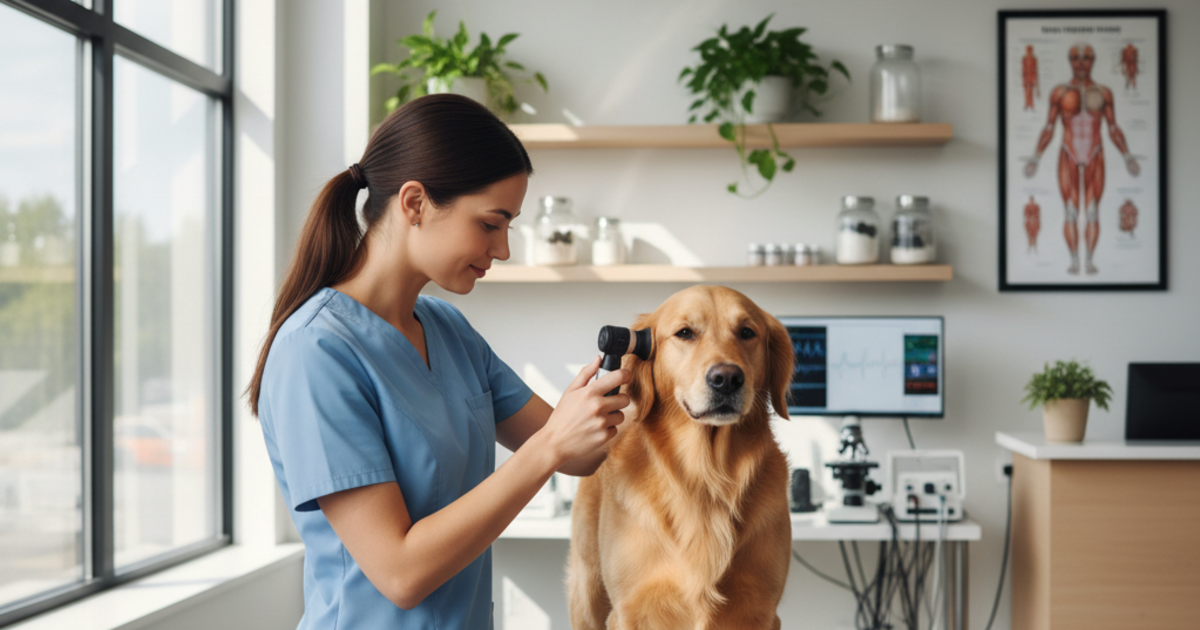
There's no safe, proven home remedy to stop a dog pregnancy. Call your vet within a few days of the mating. They can talk you through confirming the pregnancy (ultrasound from about day 25), vet-only medical options or spaying, depending on your dog's health and plans.
If you're searching for how to stop a dog pregnancy after mating naturally at home, take a breath first. It happens, even to careful owners, and you have more options than you might think. They just all run through your vet. Here's what to do, what to skip and why.
What to do right after an accidental mating
- Separate the dogs. Keep your female away from all intact males until her heat cycle is completely over. Dogs can mate more than once.
- Note the details. Write down the date, the time, whether you saw a "tie" (the dogs locked together), and where your female is in her heat cycle.
- Don't try to "fix" it at home. No herbs, no home mixes, no human pills. More on that below.
- Call your vet. Do it today or tomorrow. Say "my dog was accidentally mated" so they can fit you in. Options are broader the earlier you ask.
- Ask about the other dog. If you know the male, his health and vaccination status matter too.
If you're not sure whether your female was fertile, our dog heat cycle calculator can help you estimate where she was in her cycle.
Why "natural" home remedies can't safely stop a dog pregnancy
You'll find lists online of herbs, foods, vinegar mixes, hard exercise and leftover human medicines that supposedly "bring on a period." Please don't try them. Here's why:
- They aren't proven. There's no reliable evidence that any kitchen or herbal remedy ends a dog pregnancy safely.
- They can hurt her. Some herbs and supplements irritate the gut, affect the kidneys or liver, or cause bleeding. Human medicines, including emergency contraception, can be toxic to dogs.
- They can hide the problem. A "remedy" that fails leaves you with a pregnant dog who's been harmed and a shorter window for real options.
- Rough handling isn't safe. Forced exercise, jumping or pressing on her belly can injure her, and it doesn't work.
If your dog has already swallowed something you were told would help, or any human medicine, call the ASPCA Animal Poison Control Center at 888-426-4435 or the Pet Poison Helpline at 855-764-7661 right away. Fees may apply, but it's worth it. Then call your vet.
Vet options: confirming pregnancy, medical options and spaying (no doses)
Your vet will start by finding out whether she's actually pregnant. Not every mating leads to pregnancy. Then they'll talk through your choices, which may include:
- Wait and confirm. A vet ultrasound can usually confirm pregnancy from about day 25 after mating. A blood test for the hormone relaxin can also work at around this stage.
- Vet-prescribed medication. In some cases, vets can use prescription medication to end a pregnancy. These drugs carry risks and side effects, aren't right for every dog and may not be available everywhere. Only a vet can decide if it's suitable for your dog, and only they can prescribe it.
- Spaying. A vet can spay a pregnant dog. It's a bigger surgery than a routine spay, and the risks rise the further along she is, but it also prevents future heats and pregnancies.
- Continuing the pregnancy. If you decide to let her carry, your vet can help you plan. See our guide to caring for a pregnant dog.
You may hear about a "morning-after pill" or "mismate shot" for dogs. Older estrogen injections were once used, but most vets no longer recommend them because they can cause serious harm, including bone marrow problems and womb infections. Ask your vet what's current and safe.
To get a sense of costs before you call, try our vet cost estimator.
Timing: when each option is possible
| Time after mating | What's usually possible |
|---|---|
| Right away to a few days | Call your vet, discuss the heat cycle and options. Sooner is better |
| About day 25–30 | Ultrasound or relaxin blood test to confirm |
| Around day 45 onward | X-ray can count puppies |
| Later in pregnancy | Options narrow. Spaying is still possible, but riskier |
The exact windows depend on your vet and your dog, so treat this as a general guide, not a schedule. The key point: don't wait and see if you don't want puppies. Call early.
Calculating the fertile window and a possible due date
Dogs are typically fertile for only a few days around ovulation, but sperm can survive for several days, so mating a few days before or after ovulation can still lead to pregnancy. A single tie is enough.
Let's do a due-date example, just in case. Say the mating was on April 14.
- Ultrasound date (day 25): April 14 + 25 days = May 9.
- Due date (day 63): April 14 + 63 days = June 16.
- Whelping window (day 58–68): June 11 to June 21.
Enter your own date in the dog heat cycle calculator and the dog pregnancy calculator to see your calendar. For more on how long dogs are pregnant, see dog pregnancy length, and for what to expect each week, see our week-by-week timeline.
How to keep it from happening again
Once the immediate question is sorted out, it's worth planning ahead.
- Know her heat schedule. A heat usually lasts around three weeks, and most dogs have one about twice a year. Mark it on a calendar, and use the heat cycle calculator to predict the next one.
- Supervise every outing. Even a brief moment in the yard can be enough. Use a leash and don't leave her unattended outside during a heat.
- Don't rely on diapers or sprays. They can help with mess, but they aren't a reliable barrier.
- Talk about spaying. If you don't plan to breed, ask your vet about the best timing for spaying. It ends heat cycles and lowers the risk of womb infections. Timing relative to a heat matters, so ask your vet what suits your dog.
- Keep males away too. If you have an intact male at home, separate the two dogs completely during her heat, including behind secure doors.
When to call your vet (today)
Call your vet today if:
- Your dog was mated and you don't want a litter. Timing matters.
- She may have swallowed a home remedy or human medicine. Call poison control too (numbers above).
- She's a small or very young dog, or has a health problem, since pregnancy and birth carry more risk.
- Pus-like or bloody discharge, drinking a lot, vomiting, fever or lethargy in the weeks after a heat cycle. This can signal a womb infection (pyometra), which is an emergency.
- The male was injured or is acting unwell after mating.
Frequently asked questions
PawCalculator Editorial
We combine veterinary references, published guidelines, and calculator-grade modeling. This article is for education, not a substitute for an exam.
+ Follow on PawTalk