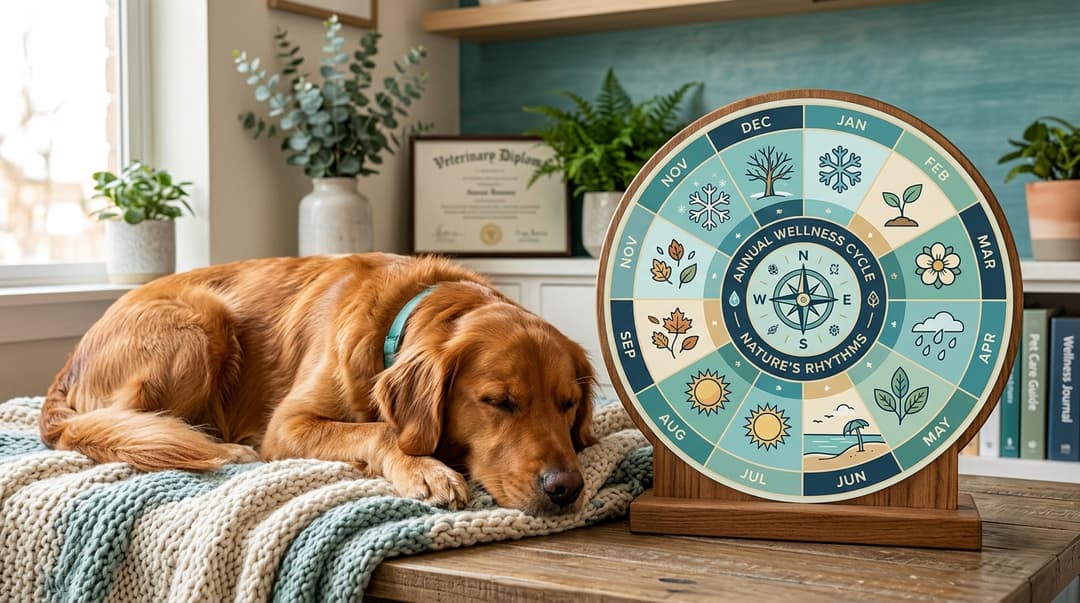
Track Your Dog's Heat Cycle
Your inputs
Results update live as you type.
Your results
Fill in the form to see your estimate.
Ready when you are
Fill in the form to see your reference estimate
Veterinary reference only
Estimate only — use progesterone testing for breeding purposes.
Keep going with a related calculator.
Track Your Dog's Heat Cycle
Most female dogs cycle roughly every 6 months, though this varies meaningfully by breed and individual dog — some breeds cycle as infrequently as once a year, and very young or very old dogs can have irregular timing. A full heat cycle (estrus) typically lasts about 2-3 weeks, moving through distinct stages (proestrus, estrus, diestrus, anestrus), with the fertile window generally falling in the second half of that period — but external signs alone aren't a reliable way to pinpoint fertility precisely, which is why breeders typically use progesterone testing for planned breeding rather than calendar estimates alone.
How to use this calculator
Enter the start date of your dog's last heat and her typical cycle length (6 months is the default average — adjust if you've tracked a different pattern for her specifically). The calculator projects the estimated start of her next cycle and the general fertile window within it.
Cycle stages at a glance
| Stage | Typical duration | What's happening |
|---|---|---|
| Proestrus | ~9 days | Swelling and bleeding begin; not yet fertile |
| Estrus | ~9 days | Bleeding lightens; fertile window |
| Diestrus | ~2 months | Hormone levels return to baseline |
| Anestrus | Rest of cycle | Reproductive inactivity between cycles |
Understanding your results
Treat the projected dates as a planning window, not a precise fertility test — cycle length varies by individual dog and can shift with age, so a projection based on one previous cycle is a starting estimate that gets more accurate the more cycles you track. If you're planning a breeding, external timing estimates like this one are not precise enough on their own; progesterone testing through your vet is the standard way to pinpoint ovulation accurately. If you're tracking heat cycles for spay-timing or general household planning instead, this projection is generally close enough to plan around.
Managing an intact female through an active cycle
The main practical challenge during heat is preventing unplanned mating, and it requires more vigilance than most first-time owners expect. Male dogs can detect a female in heat from a significant distance well before any visible discharge appears, so increased fence-testing, escape attempts, or unfamiliar male dogs lingering near your property are common even in the days leading up to visible signs. Leash walks in enclosed, controlled areas rather than off-leash time at a dog park are the standard precaution for the full 2-3 week cycle, not just the days with visible bleeding, since the fertile window isn't precisely predictable from external signs alone. Many owners use washable or disposable doggie diapers during the bleeding phase to protect furniture and flooring, and some dogs benefit from a bit of extra patience during this period — mild behavioral changes like increased clinginess, occasional irritability, or changes in appetite are common and generally resolve once the cycle ends.
Deciding whether and when to spay
Heat-cycle tracking is often the first step toward a more informed spay-timing conversation with your vet, rather than an end in itself. The traditional advice to spay early and avoid future cycles altogether has shifted somewhat in recent years — current guidance increasingly considers breed size and individual health factors, since some research suggests certain larger breeds may benefit from waiting until after physical maturity for orthopedic and other health reasons, while the calculus is different for smaller breeds. This is a genuinely individualized decision that depends on your dog's breed, health history, and your household's ability to manage heat cycles safely in the meantime, which is exactly why "ask your vet" isn't a placeholder answer here — the right timing varies enough between dogs that a general rule risks being wrong for your specific one. If you're using this calculator to plan around a spay date rather than a breeding, tracking one or two actual cycles first gives your vet more useful, individualized information than working from the population-average 6-month estimate alone.
Improving projection accuracy over multiple cycles
The single biggest lever for a more accurate projection isn't a better formula — it's better input data from your own dog's history. A projection built from one previous cycle relies on the 6-month population average as a stand-in for information you don't have yet, but every additional cycle you log narrows that gap: after two or three tracked cycles, you'll typically see whether your dog runs shorter, longer, or right at the average interval, and future projections become meaningfully more personalized as a result. Keeping a simple written or app-based log — start date, approximate end of visible bleeding, any notable behavior changes — turns this calculator from a population-average estimate into a genuinely individualized tool over time, which matters most if you're using it for breeding-adjacent planning rather than general awareness.
When to consult a professional
For health, dosage, or nutrition decisions, always confirm calculator output with your veterinarian. This tool provides reference estimates, not medical advice.
Questions about this calculator
Roughly every 6 months on average, though this ranges from about 4 months to a year depending on breed and individual variation — smaller breeds often cycle more frequently than giant breeds.
The math, openly documented.
Inputs
Enter the details that affect your estimate.
weight · age · breed
Normalize
Validate ranges and convert units when needed.
lbs ↔ kg
Calculate
Veterinary or industry-standard formulas applied.
result = f(inputs)
Results
Clear outputs with context and disclaimers.
display + notes
More from Health

My Cat Ate Chocolate — How Worried Should I Be?
cat chocolate toxicity calculator: Cats are actually more sensitive to theobromine than dogs pound-for-pound, but chocol
Open tool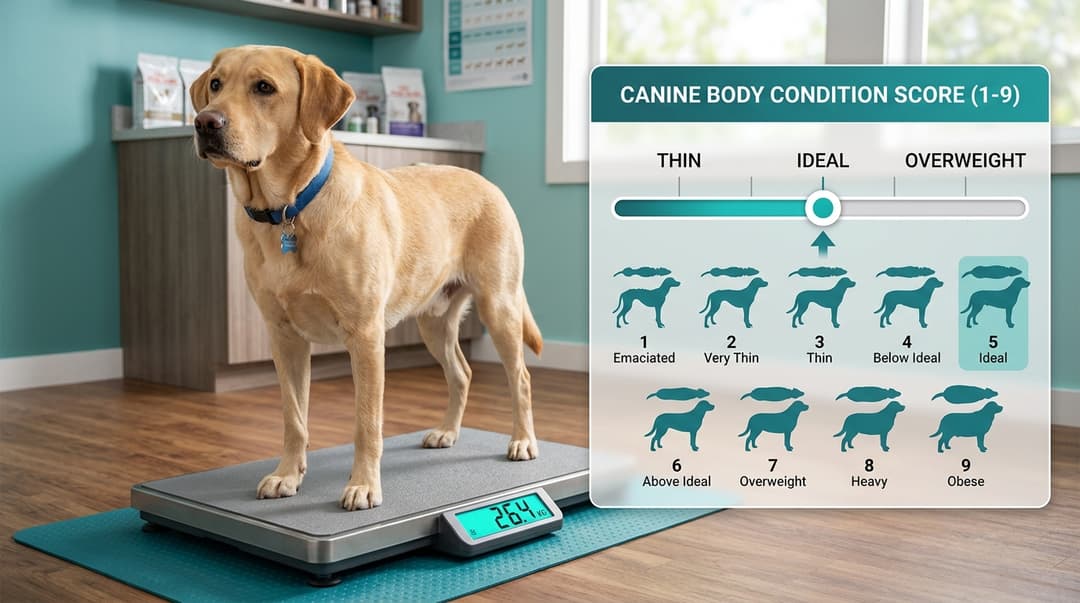
Is Your Dog Overweight?
is my dog overweight: A fast, vet-referenced way to check — feel for ribs, look for a waist, check the abdominal tuck. G
Open tool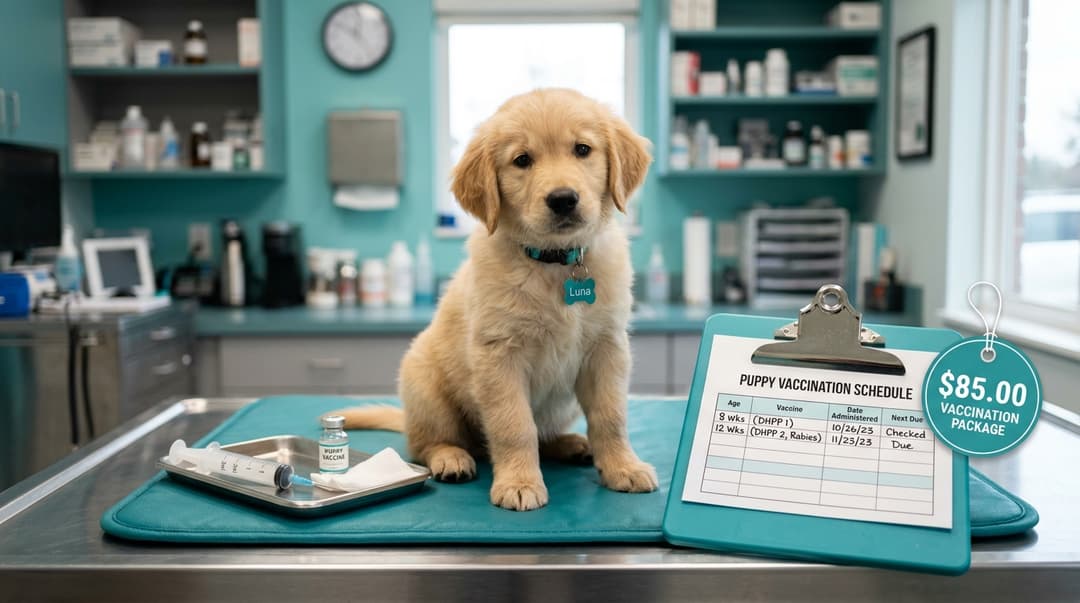
How Much Do Dog Vaccinations Cost?
how much do dog vaccines cost: Estimate first-year and annual vaccination costs, broken down by core (required) versus n
Open toolArticles from Insights


Got an edge case the calculator can't handle?
247 active threads about dog nutrition right now. Verified vets and experienced owners answer within hours.