A 4 week old kitten is ready to start weaning. Offer kitten wet food mixed into a gruel with kitten milk replacer several times a day, add a low-sided litter box, keep the kitten warm, and continue mother's milk or bottle feeding alongside until about 6-8 weeks.
At one month old, kittens are curious, wobbly and changing fast. They're walking, exploring and discovering solid food, and they're starting to learn the social skills that will shape their adult behavior. This guide covers milestones, how to wean step by step, how often and how much to feed, litter training, warmth, health care and the signs that need a vet. For exact portions by weight, see the cat feeding chart.
Developmental milestones at 4 weeks
- Eyes fully open and vision improving, though many kittens' eyes are still blue.
- Walking steadily and starting to run, pounce and play.
- Baby teeth emerging: incisors and canines appear at about 3-4 weeks, with premolars soon after.
- Grooming begins, and kittens copy the mother.
- Interest in solid food.
- Litter box curiosity: many kittens can use a box without being stimulated.
- Weight: often around 1-1.5 lb (about 450-700 g), though sizes vary by breed and litter.
- Hearing and balance developing well.
Weaning: how to start
Weaning is a gradual shift from milk to solid food over several weeks.
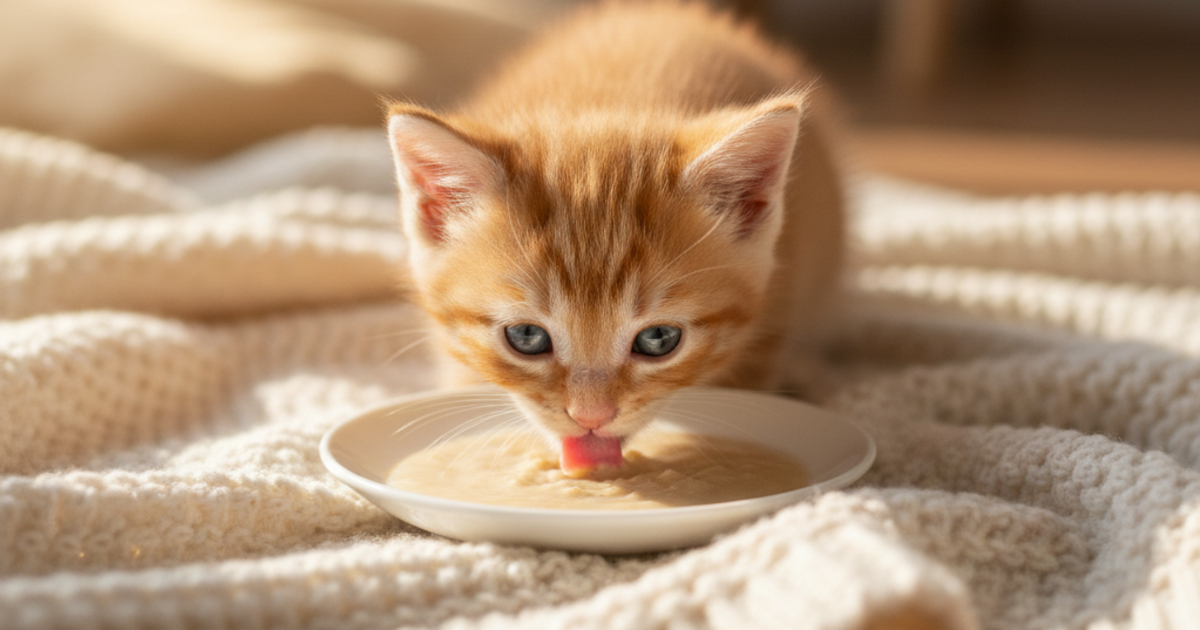
- Make gruel. Mix kitten wet food (a smooth pâté works best) with kitten milk replacer until it's a thick, soupy consistency.
- Offer it on a shallow saucer or flat plate. Dip a finger in the gruel and let the kitten lick it off. Never push the kitten's face into the food.
- Offer it several times a day alongside nursing or bottle feeding.
- Reduce the liquid over 2-3 weeks as the kitten eats more solids.
- Introduce softened dry kitten kibble toward 5-6 weeks.
- Offer fresh water in a shallow dish.
Be patient: kittens are messy and some take days to get the idea. If a kitten refuses solids, go back a step and try again, and never stop milk feeds entirely until the kitten is reliably eating enough.
If the kitten is orphaned, see kitten milk replacer for bottle-feeding instructions.
How often to feed
| Situation | Approximate schedule |
|---|---|
| With mother | She nurses on demand; offer gruel 3-4 times daily |
| Orphaned | Bottle every 4-6 hours plus gruel 3-4 times daily |
Weigh the kitten daily or every other day. Steady weight gain is the best sign feeding is adequate.
Litter training
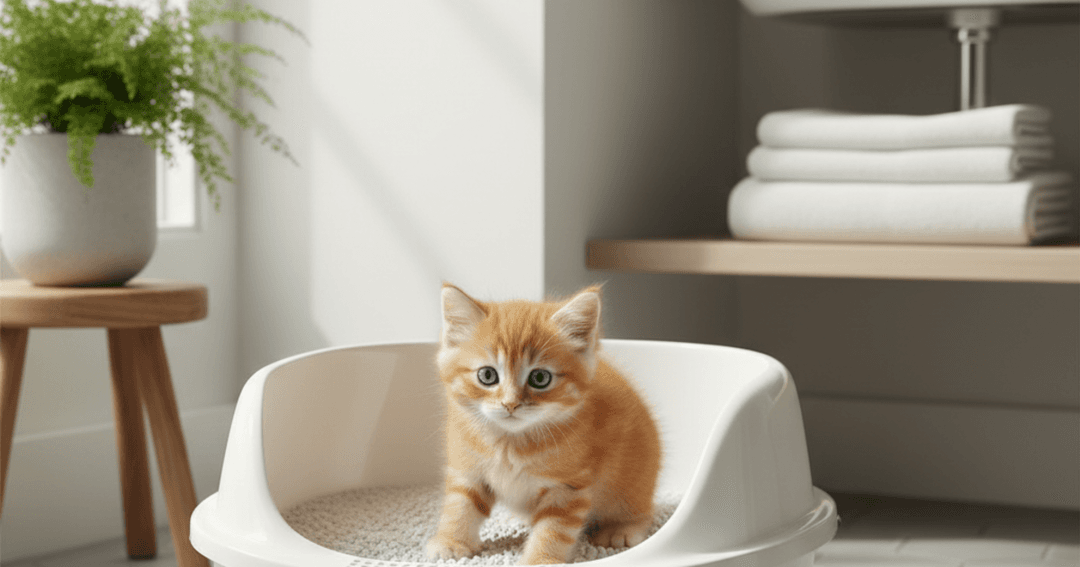
Provide a shallow box (a low-sided tray works well) with unscented, non-clumping litter or paper pellets. Clumping litter can cause blockages if swallowed in quantity, so avoid it for very young kittens. Place the kitten in the box after meals and naps, and praise success. Keep the box away from food and water, and scoop daily.
Warmth and safety
Keep the room comfortably warm, around 75-80°F (24-27°C) at this age, with a cozy nest. Kitten-proof the space: block gaps behind appliances, cover electrical cords, keep small items out of reach and avoid toxic plants such as lilies.
Worked example
Pip weighs 600 g (about 1.3 lb).
- RER: 70 × 0.6^0.75 = 70 × 0.68 = about 48 kcal.
- Daily need at 2-2.5 × RER: about 96-120 kcal from gruel, milk and later wet food.
- One 3 oz can of kitten food has about 80-100 kcal, so about one can a day of gruel plus nursing or formula is a reasonable range.
- Check the trend. If Pip gains 10-15 g a day, feeding is on track. Confirm with your vet, since weights vary.
Socialization
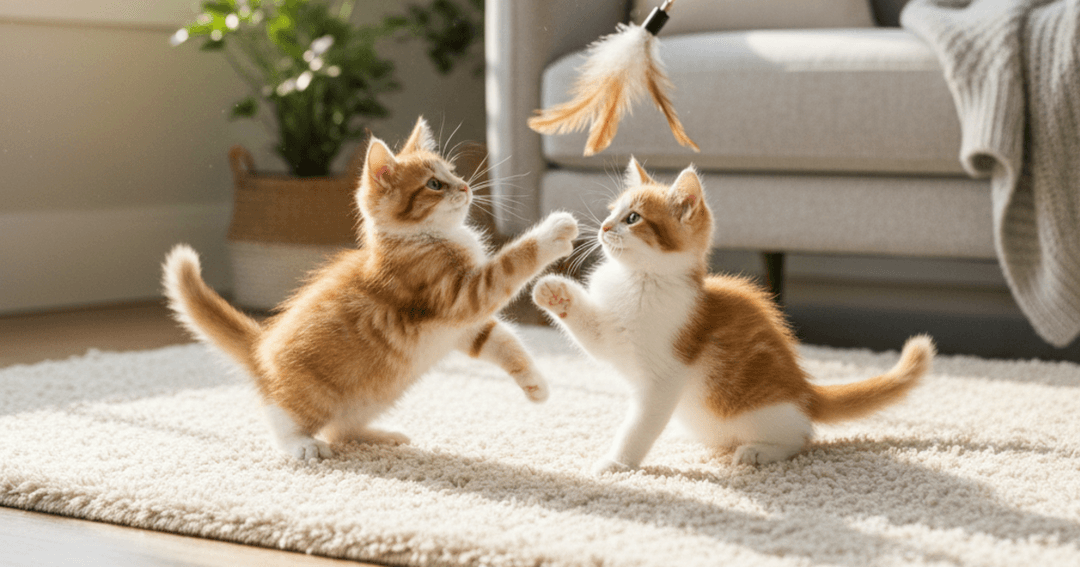
The window from about 2 to 7 weeks is the prime time for socialization. Handle the kitten gently for short sessions, introduce different people, sounds and textures, and provide safe toys. Kittens that are handled kindly now tend to grow into friendlier adult cats.
Vet care
Ask your vet about:
- Deworming, usually repeated every 2 weeks.
- Flea control that's safe for kittens, since some products are dangerous at this age.
- Vaccines, typically starting around 6-8 weeks.
- Testing for FeLV and FIV.
When to call your vet
Call promptly if your kitten has diarrhea, isn't gaining weight, seems weak or cold, has eye or nose discharge, vomits, has a swollen belly or refuses food for more than a few hours.
Frequently asked questions
PawCalculator Editorial
We combine veterinary references, published guidelines, and calculator-grade modeling. This article is for education, not a substitute for an exam.
+ Follow on PawTalk