Most people who fall for a Maine Coon eventually ask the same question: how long will they live? The answer depends on more than genetics. Weight, environment, and how early health problems get caught all shift the number.
How Long Do Maine Coons Live?
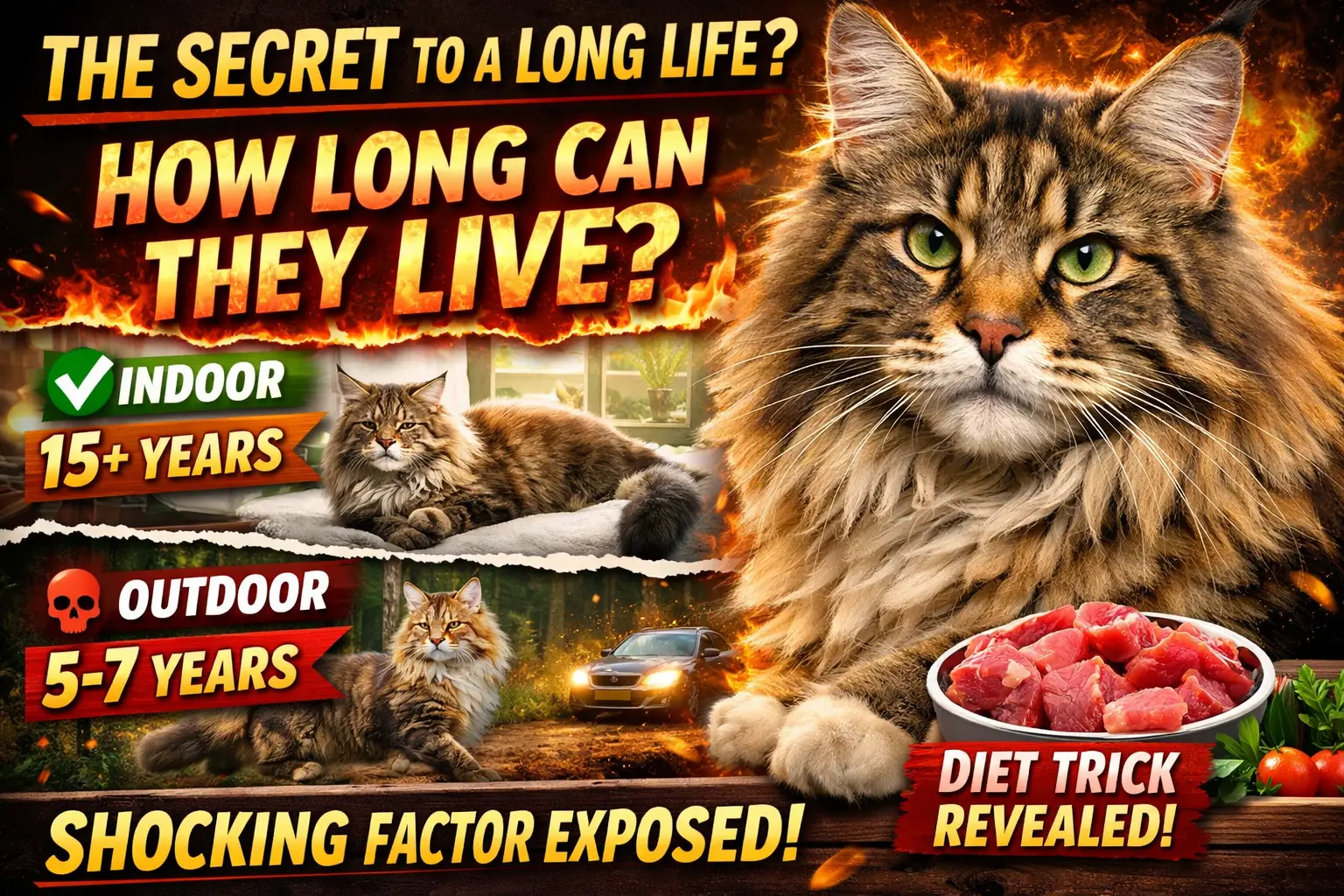
A Maine Coon typically lives 12 to 15 years, and some reach their late teens or beyond. That's a solid lifespan for such a large cat, but where an individual cat lands in that range depends a lot on care.
If you're weighing this breed against others before adopting, the Breed Lifespan Calculator lays out expected lifespan ranges across breeds side by side.
The Health Issues That Matter Most
Maine Coons are generally sturdy, but a few breed-linked conditions are worth knowing about:
- Hypertrophic cardiomyopathy (HCM). A heart condition where the heart wall thickens. It's the single most important health concern in the breed. Reputable breeders screen for it, and vets can check with an echocardiogram.
- Hip dysplasia. More common in Maine Coons than most cat breeds because of their size. Extra weight makes it worse.
- Spinal muscular atrophy (SMA). An inherited condition breeders can test for.
Catching these early, and buying from breeders who test for them, does more for lifespan than almost anything else.
The Hidden Factor: Body Weight
The factor owners most often overlook is weight. Maine Coons are big cats, so it's easy to miss when a big cat becomes an overweight one. Extra weight strains the joints of a breed already prone to hip problems and raises the risk of diabetes.
Maine Coons need a diet rich in protein and measured portions rather than a bowl that's always full. Check body condition regularly: you should be able to feel the ribs under a light layer of fat, and see a waist from above. The Cat BMI Calculator walks through that check.
Indoor vs Outdoor Maine Coons
Environment has a big effect on how long any cat lives. Indoor cats are protected from traffic, predators, fights, and infectious diseases, which is why they live considerably longer on average than cats that roam outdoors. A secure garden enclosure or supervised harness time gives a Maine Coon outdoor stimulation without most of the risk.
Exercise and Enrichment
Maine Coons are playful, dog-like cats that stay active well into adulthood. Daily play keeps weight down and muscles strong, which protects the joints. Wand toys, puzzle feeders, and cat trees sturdy enough for a large cat all help.
How to Help Your Maine Coon Live Longer
- Keep them indoors or give them safe, enclosed outdoor access.
- Feed measured, high-protein meals and watch their body condition, not just the number on the scale.
- Keep them active with daily play.
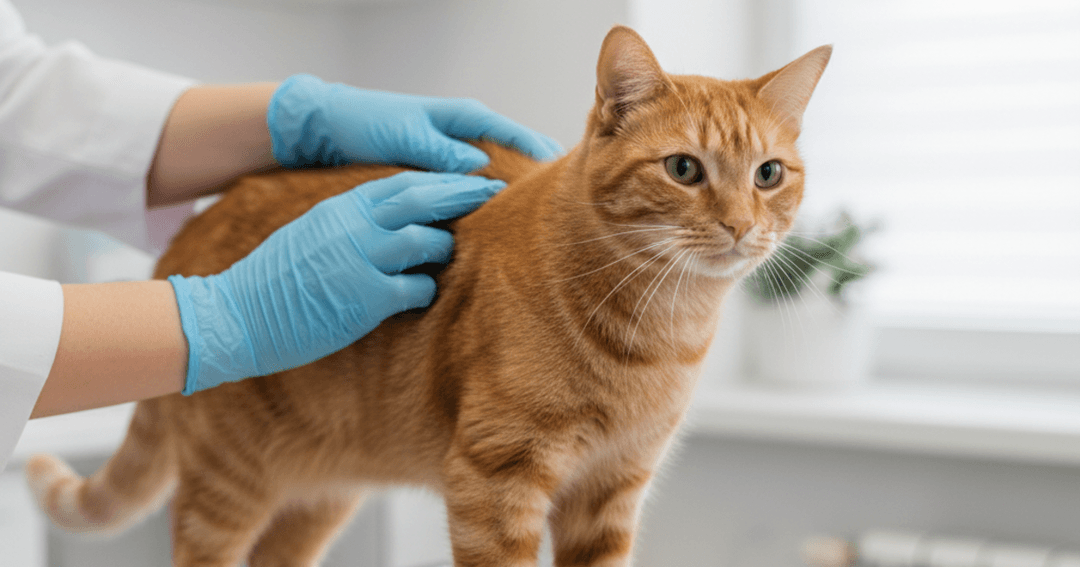
- Schedule regular vet visits, including heart screening if your vet recommends it. Knowing where your cat falls in human-equivalent years helps time the step up to senior care; the Cat Age Calculator works this out for you.
- Choose a breeder who health-tests for HCM, hip dysplasia and SMA if you're buying a kitten.
The Bottom Line
Genetics set the range, but care decides where in it your Maine Coon lands. A lean, active, indoor Maine Coon with regular check-ups has the best chance of reaching the top of that 12–15 year range, and beyond.
→ Check your cat's age in human years