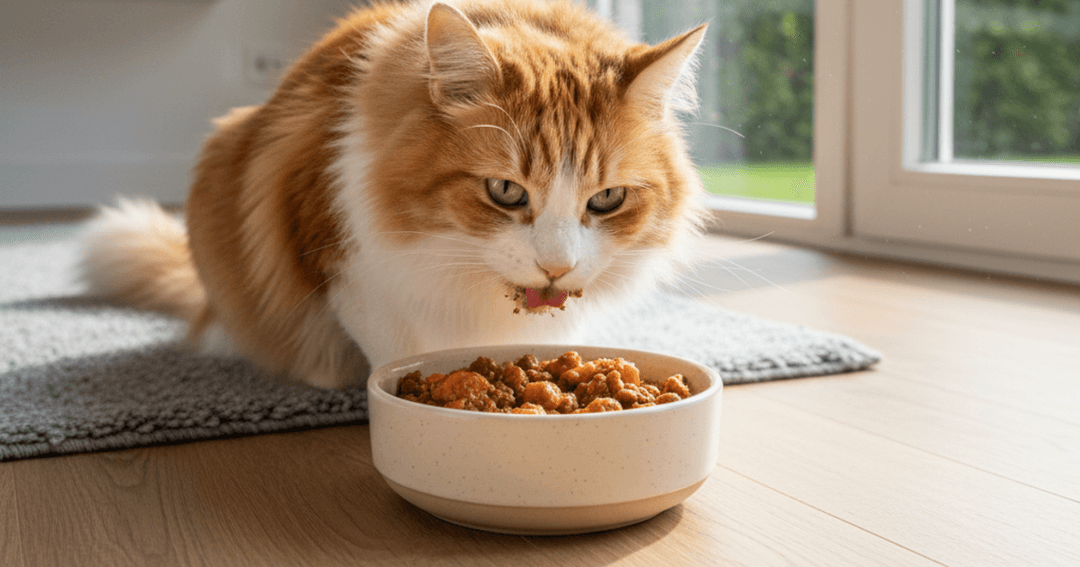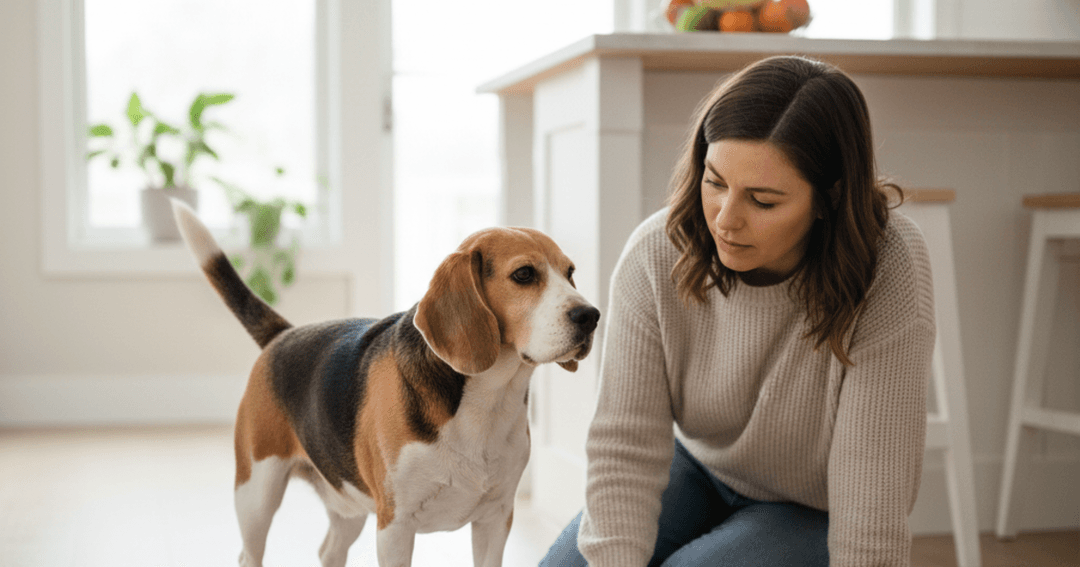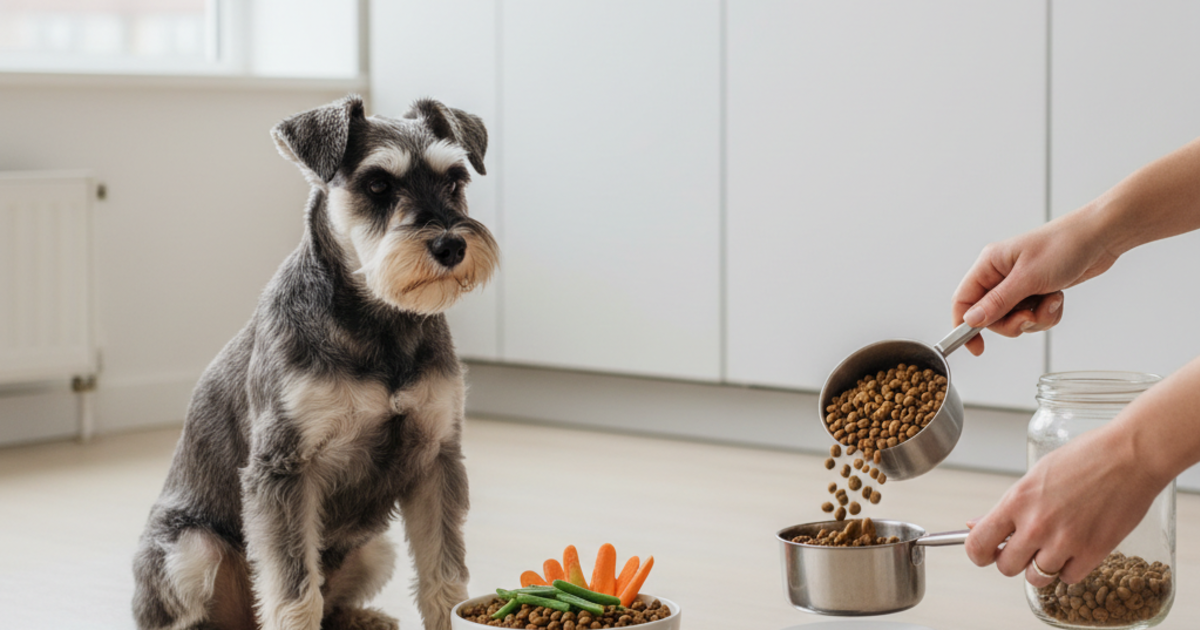
Low fat dog food is mainly for dogs with pancreatitis (or a history of it), high blood fats (hyperlipidemia, common in Miniature Schnauzers), certain gut diseases such as lymphangiectasia, and dogs that need to lose weight. Most healthy dogs don't need it. For medical cases, vets often aim for a food under roughly 10% fat on a dry matter basis, sometimes lower, while the average adult maintenance food sits around 12–20%.
If weight loss is the goal, the dog food calculator for weight loss sets a safe calorie target and portion.
Who Actually Needs Low Fat Dog Food?
| Situation | Why low fat helps | Who decides the fat level |
|---|---|---|
| Pancreatitis (acute or recurring) | Dietary fat stimulates the pancreas | Your vet |
| Hyperlipidemia (high triglycerides) | Reduces fat in the bloodstream | Your vet |
| Some chronic gut diseases | Easier to digest, less diarrhea | Your vet |
| Overweight dogs | Fat has 2.25× the calories of protein or carbs per gram | You and your vet |
| Healthy, active adult dogs | Usually not needed | — |
Breeds more prone to pancreatitis or high blood fats include Miniature Schnauzers, Yorkshire Terriers, Cocker Spaniels and Shetland Sheepdogs.
What Counts as Low Fat? Read It on a Dry Matter Basis
The guaranteed analysis on a label is "as fed," which includes water. Wet foods look lower in fat than they really are. Convert to dry matter to compare:
Dry matter fat % = as-fed fat % ÷ (100 − moisture %) × 100
| Food | Fat (as fed) | Moisture | Fat (dry matter) |
|---|---|---|---|
| Dry kibble | 8% | 10% | 8 ÷ 90 × 100 ≈ 8.9% |
| Canned food | 3% | 78% | 3 ÷ 22 × 100 ≈ 13.6% |
| Standard adult kibble | 15% | 10% | ≈ 16.7% |
That "3% fat" canned food is actually higher in fat than the 8% kibble. When shopping for low fat canned dog food, always do this conversion or ask the manufacturer for the dry matter or "per 1,000 kcal" fat figure.
Low Fat vs Low Calorie Dog Food
These overlap but aren't the same:
- Low fat food limits fat for medical reasons. It may still have plenty of calories from carbs.
- Low calorie (or "light") food is built for weight loss, usually with more fiber and air in the kibble so dogs feel full.
- High protein, low fat dog food is often the best choice for weight loss, because protein helps preserve muscle while fat and calories drop.
How Much Low Fat Dog Food to Feed: Worked Example
A dog weighing 24 kg (53 lb) with an ideal weight of 20 kg (44 lb), on a low-fat kibble with 320 kcal per cup.
- Use the ideal weight: RER = 70 × 20^0.75 ≈ 662 kcal
- Weight loss target: 1.0 × RER ≈ 662 kcal/day
- 662 ÷ 320 ≈ 2 cups per day, split into 2–3 meals
- Aim to lose 1–2% of body weight per week (about 0.25–0.5 kg for this dog)
| Ideal weight | Weight-loss calories (1.0 × RER) | Cups at 320 kcal/cup |
|---|---|---|
| 5 kg (11 lb) | ~234 | ~¾ |
| 10 kg (22 lb) | ~394 | ~1¼ |
| 15 kg (33 lb) | ~534 | ~1⅔ |
| 20 kg (44 lb) | ~662 | ~2 |
| 30 kg (66 lb) | ~897 | ~2¾ |
Not sure if your dog is overweight? Check with the is my dog overweight calculator or the dog BMI calculator, which use body condition scoring. For a dog at a healthy weight that just needs less fat, use maintenance calories from the dog calorie calculator instead.
What to Look For in the Best Low Fat Dog Food
- Fat under about 10% dry matter for medical cases, or the level your vet sets
- Good-quality protein (lean poultry, fish, egg) to maintain muscle
- Moderate fiber to help with fullness and stool quality
- A complete and balanced AAFCO statement
- A prescription GI low-fat diet if your dog has had pancreatitis more than once; these are made for it and tested for consistency
Treats and Extras on a Low Fat Diet
Fatty treats undo the whole plan. Better choices:
- Green beans, carrot sticks, cucumber
- Small pieces of the dog's own kibble
- Low-fat commercial treats (check the label)
Avoid cheese, peanut butter, bacon, sausages, fatty meat trimmings, chicken skin and rawhide dipped in fat. Holiday leftovers are a classic pancreatitis trigger. Keep all treats under 10% of daily calories.
For more on the math, read how to calculate dog calories for weight loss.
When to Call Your Vet
Pancreatitis can be serious. See your vet promptly or go to an emergency clinic if your dog has:
- Repeated vomiting, especially after a fatty meal
- A painful belly, hunched posture, or the "prayer" position (front down, rear up)
- Diarrhea, loss of appetite or unusual lethargy
- Fever, weakness or collapse
Also talk to your vet before starting a low-fat diet for a dog with diabetes, kidney disease or a history of pancreatitis, and if your dog loses weight faster than about 2% a week.
The Bottom Line
Low fat dog food is a medical tool for pancreatitis, high blood fats and some gut diseases, and a useful option for weight loss. Compare foods on a dry matter basis, skip fatty treats, and portion for your dog's ideal weight. Get a safe daily target from the dog food calculator for weight loss.
Frequently asked questions
PawCalculator Editorial
We combine veterinary references, published guidelines, and calculator-grade modeling. This article is for education, not a substitute for an exam.
+ Follow on PawTalk