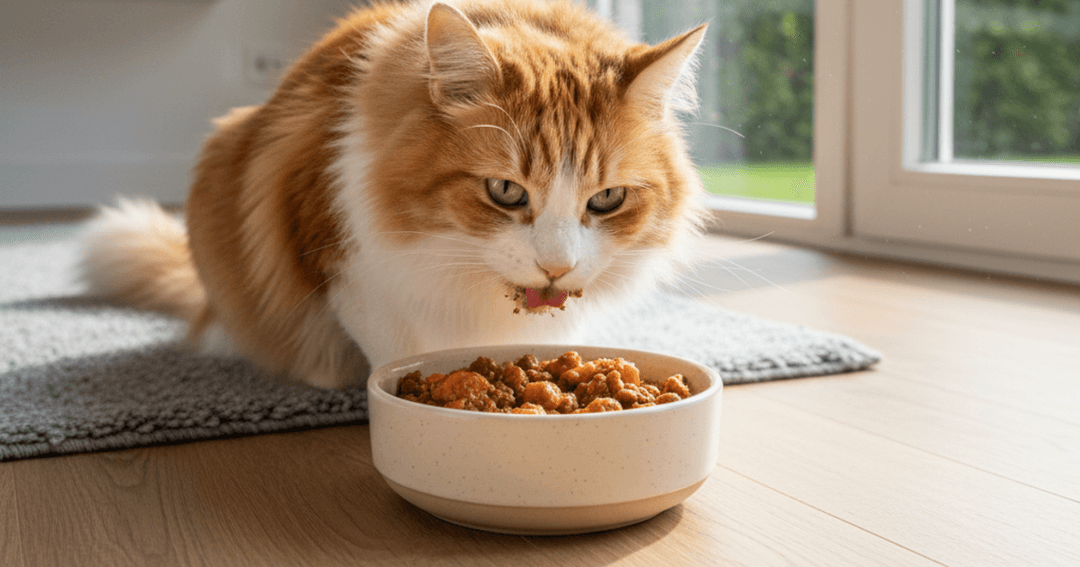
Hydrolyzed protein dog food is a diet where the protein has been broken down (hydrolyzed) into pieces so small that the immune system usually doesn't recognize them as an allergen. Vets prescribe it mainly for food allergy testing through an elimination diet, and for dogs with chronic gut inflammation such as inflammatory bowel disease. Most hydrolyzed diets are prescription veterinary foods, and they only work if they're fed strictly, with nothing else, for at least 8 weeks.
To make sure your dog gets the right amount of a prescription diet, use the dog food calculator with the calories listed on the bag.
What Does Hydrolyzed Dog Food Mean?
"Hydrolyzed" means the protein (often chicken, soy or salmon) has been split with water and enzymes into small fragments called peptides. A food allergy happens when the immune system recognizes a protein's shape and reacts to it. Once the protein is chopped small enough, most dogs' immune systems can't "see" it anymore, so no reaction.
Your dog still digests and uses the protein normally. It just doesn't trigger the itching, ear infections, vomiting or diarrhea that a food allergy can cause.
Hydrolyzed vs Novel Protein Dog Food
| Hydrolyzed protein | Novel protein | |
|---|---|---|
| How it works | Protein broken into tiny pieces | Uses a protein your dog has never eaten (e.g. kangaroo, venison, rabbit) |
| Best for | Dogs that have eaten many proteins; IBD | Dogs with a limited food history |
| Availability | Mostly prescription | Prescription and some over-the-counter |
| Main risk | Rare reactions to the original protein | OTC foods can be cross-contaminated with other proteins |
Over-the-counter "limited ingredient" foods have been found to contain proteins not listed on the label, which can ruin a food trial. That's why vets usually prefer prescription hydrolyzed or novel-protein diets for testing.
When Do Vets Prescribe Hydrolyzed Protein Dog Food?
- Suspected food allergy. Year-round itching, paw licking, recurrent ear or skin infections, often with soft stools. Beef, dairy, chicken and wheat are the most commonly reported culprits in dogs.
- Chronic enteropathy / IBD. Ongoing vomiting, diarrhea or weight loss. Many of these dogs improve on a hydrolyzed diet alone.
- Diagnosing a food allergy. There's no reliable blood or saliva test for food allergy in dogs; an elimination diet is the gold standard.
How to Run a Hydrolyzed Food Trial
- Feed only the prescribed food for 8–12 weeks. Skin signs can take the full 8 weeks or more to improve; gut signs often improve in 2–4 weeks.
- No other food. No treats, table scraps, chews, flavored toothpaste or flavored medications unless your vet approves them. Use kibble from the same bag as treats.
- Check the whole household. Kids, guests and other pets' bowls are the most common trial breakers.
- Track symptoms weekly. Rate itch from 0–10 and note stool quality.
- Rechallenge. If your dog improves, your vet may have you reintroduce the old food. If signs return within days to two weeks, that confirms a food allergy.
How Much Hydrolyzed Protein Dog Food to Feed
Prescription diets vary widely in calories, so don't reuse your old scoop size.
Worked example: a 25 kg (55 lb) neutered adult dog, hydrolyzed kibble at 340 kcal per cup.
- RER = 70 × 25^0.75 ≈ 783 kcal
- Neutered adult: 783 × 1.6 ≈ 1,252 kcal/day
- 1,252 ÷ 340 ≈ 3⅔ cups per day
| Dog weight | Calories/day (neutered adult) | Cups at 340 kcal/cup |
|---|---|---|
| 5 kg (11 lb) | ~374 | ~1 |
| 10 kg (22 lb) | ~630 | ~1¾ |
| 20 kg (44 lb) | ~1,060 | ~3 |
| 25 kg (55 lb) | ~1,252 | ~3⅔ |
| 30 kg (66 lb) | ~1,436 | ~4¼ |
Dogs with IBD sometimes lose weight at first; your vet may raise the target. Adjust using the dog calorie calculator and weigh every two weeks.
Downsides of Hydrolyzed Diets
- Cost. Prescription hydrolyzed foods often cost noticeably more than regular dog food. The vet cost estimator can help you plan for the exam and follow-ups, and some pet insurance plans cover prescription diets.
- Palatability. Hydrolysis can make food taste bitter. Warming wet versions helps.
- Softer stools in some dogs at first.
- Not a cure for environmental allergies. Many itchy dogs are allergic to pollen or dust mites, not food. A negative food trial is still useful; it points your vet in the right direction.
Treats and Extras During a Food Trial
If your dog needs rewards, use pieces of the same hydrolyzed kibble or hydrolyzed treats from the same brand. Avoid rawhide, bully sticks and dental chews. Double-check anything else in the food safety checker, and ask your vet before starting supplements, since many contain fish, beef or chicken flavoring.
For portion basics, see our guide on how much to feed by weight.
When to Call Your Vet
A hydrolyzed diet should be started with your vet, not in place of one. Call them if your dog:
- Has vomiting or diarrhea lasting more than 24–48 hours, or blood in stool
- Is losing weight or has a poor appetite on the new food
- Develops red, oozing or smelly skin, or recurrent ear infections (possible secondary infection needing treatment)
- Shows facial swelling or hives (an emergency)
- Hasn't improved after 8–12 weeks of a strict trial
The Bottom Line
Hydrolyzed protein dog food "hides" protein from the immune system by breaking it into tiny pieces. It's the go-to diet for food allergy trials and many cases of chronic gut inflammation, but it only works if it's the only thing your dog eats for 8 weeks or more. Get the portion right with the dog food calculator and keep in close touch with your vet.
Frequently asked questions
PawCalculator Editorial
We combine veterinary references, published guidelines, and calculator-grade modeling. This article is for education, not a substitute for an exam.
+ Follow on PawTalk