The best dog food for a pitbull-type dog is a complete-and-balanced diet with quality animal protein, moderate fat, omega-3 fatty acids for skin and joints, and portions measured to keep the dog lean. Muscle comes from exercise and balanced nutrition, not from extra calories or protein supplements.
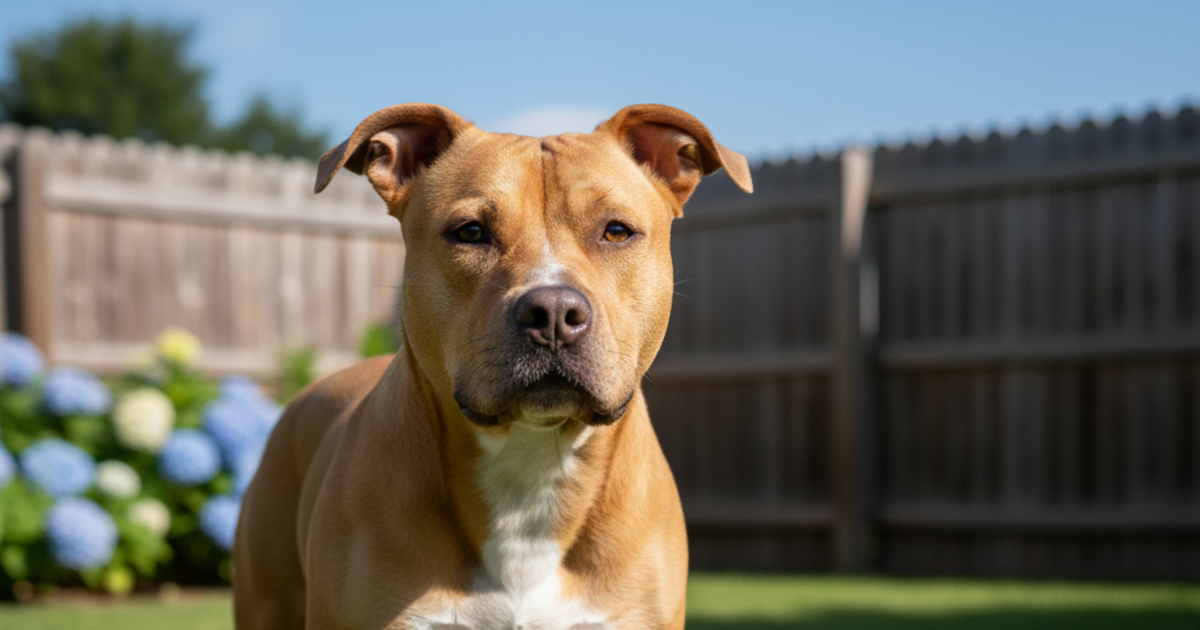
"Pitbull" is an umbrella term used for several related breeds and mixes, most commonly the American Pit Bull Terrier, American Staffordshire Terrier and Staffordshire Bull Terrier. They are muscular, athletic and affectionate dogs, but they come with some nutrition-related concerns: sensitive skin and allergies, a tendency to gain weight if overfed, hip problems in some lines and high energy needs when active. This guide explains how to choose a food, how much protein and fat to look for, how to support skin and joints, how to portion by calories and what to avoid. Use the dog food calculator for portions.
Pitbull nutrition at a glance
| Factor | Typical profile |
|---|---|
| Adult weight | About 30-65 lb (14-30 kg), depending on breed type |
| Build | Muscular and compact |
| Energy | High, especially young adults |
| Common issues | Skin allergies, hip dysplasia, obesity, some heart and thyroid issues |
| Key diet goals | Lean muscle, healthy skin, joint support, calorie control |
What to look for in a pitbull food
- A complete-and-balanced AAFCO statement for your dog's life stage.
- Named animal protein such as chicken, beef, turkey or fish as the first ingredient. Most active adult dogs do well with roughly 22-32% protein on a dry-matter basis, and puppies and highly active dogs may need more.
- Moderate fat, around 12-18% for many adults, adjusted for activity. Too much fat adds weight and can upset the stomach.
- Omega-3 fatty acids (EPA and DHA) from fish oil to support skin, coat and joints.
- Digestible carbohydrates and some fiber for steady energy and stool quality.
- Joint-support ingredients such as glucosamine and chondroitin, particularly for older or heavier dogs.
- Calories listed per cup or kilogram so you can measure portions.
- A reputable manufacturer with qualified nutritionists.
Protein and muscle: what really builds lean mass
Pitbulls look muscular, and many owners reach for high-protein or "bully" supplements. In reality, muscle comes from genetics, regular exercise and balanced nutrition. A complete diet with adequate quality protein is enough for most dogs. Excess protein does not build extra muscle, and extra calories become fat. Avoid unregulated muscle-building products and growth supplements, which can contain unsafe ingredients.
Healthy exercise for muscle includes brisk walks, jogging, swimming, weight-pull-style harness walking for adult dogs under guidance, tug games and fetch. Increase intensity gradually, and keep puppies from hard repetitive exercise while growing.
Skin and allergy support
Pitbull-type dogs are prone to skin issues, including itching, redness, hot spots, hair loss and ear infections. Causes include environmental allergens, fleas and food allergies.
- Omega-3s support skin barrier and may reduce inflammation.
- Limited-ingredient or novel protein diets may help when a food allergy is suspected. Confirm with a vet-guided 8-12 week food trial.
- Avoid frequent diet changes that make it hard to identify triggers.
- Keep up flea prevention, since flea allergy is a very common cause of itching.
- Bathe with a vet-approved shampoo as directed.
- See your vet for persistent itching, skin infections or ear problems.
Weight control
Pitbulls can look lean and fit but gain weight if overfed, especially after neutering or in older age. Extra weight raises the risk of joint problems, diabetes and a shorter lifespan.
- Measure meals with a scale or measuring cup.
- Count treats in the daily calories.
- Check body condition regularly. You should feel the ribs with light pressure and see a waist from above.
- Adjust portions by about 10% if weight changes.
Feeding by life stage
- Puppies: use a food labeled for growth. For larger mixes, choose a large-breed puppy formula, and feed three to four small meals a day.
- Adults: feed two meals a day with measured portions.
- Seniors: reduce calories if activity drops, and add joint support as your vet advises.
Worked example
A 25 kg (55 lb) neutered adult pitbull-type dog.
- Resting energy: RER = 70 × 25^0.75 = 70 × 11.18 = about 783 kcal.
- Typical neutered adult: 783 × 1.6 = about 1,252 kcal per day.
- Very active dog: 783 × 1.8 = about 1,409 kcal per day.
- If the food is 3,800 kcal per kg: 1,252 ÷ 3.8 = about 329 g per day for the typical dog, or 1,409 ÷ 3.8 = about 371 g for the very active dog.
- Two meals of about 165 g each for the typical dog.
- Treat budget: about 125 kcal, which is 10% of 1,252.
- Weigh every 2-4 weeks and adjust by about 10% as needed.
Use the dog calorie calculator to estimate your dog's needs.
Joint health
Hip dysplasia and arthritis can affect pitbulls, particularly heavier dogs. Keep your dog lean, provide regular low-impact exercise, avoid repeated jumping and ask your vet about omega-3s, glucosamine and joint supplements.
Ingredients and habits to be cautious with
- Very high-fat foods and table scraps, which can cause pancreatitis.
- Unregulated "bully" supplements and steroid-like products.
- Rawhide and hard bones, which can cause blockages or tooth damage.
- Unbalanced homemade or raw diets without a veterinary nutritionist.
- Abrupt diet changes.
- Toxic foods, including onions, garlic, grapes, raisins, chocolate and xylitol.
When to call your vet
Contact your vet if your dog has persistent itching, skin infections, ear problems, diarrhea, vomiting, limping, weight changes or low energy. Seek urgent care for a swollen belly with retching, collapse or difficulty breathing. For suspected poisoning, call the ASPCA Animal Poison Control Center at 888-426-4435 or the Pet Poison Helpline at 855-764-7661 (fees may apply).
The bottom line
A balanced diet, measured portions and regular exercise keep pitbull-type dogs muscular, healthy and comfortable. Focus on quality protein, omega-3s for skin and weight control, and use the dog food calculator to set portions.
Frequently asked questions
PawCalculator Editorial
We combine veterinary references, published guidelines, and calculator-grade modeling. This article is for education, not a substitute for an exam.
+ Follow on PawTalk