For a picky dog, start by ruling out illness, then try a highly palatable, complete-and-balanced food in a different texture, such as wet, a kibble-and-wet mix or a warmed or lightly moistened formula, and feed measured meals on a schedule. Avoid constant food swaps and table scraps, which teach dogs to hold out for something better.
Many dogs are called picky, but true fussiness is less common than learned behavior. Dogs that get treats, scraps and endless food changes quickly figure out that refusing dinner makes something tastier appear. Others stop eating because of dental pain, nausea, stress or illness. This guide explains why dogs turn fussy, how to tell when it is medical, which foods and textures to try first, safe toppers, a practical routine for retraining appetite, how to keep calories under control while you experiment and what mistakes to avoid. To portion any food, use the dog food calculator.
Why is my dog so picky with food?
| Cause | What it looks like |
|---|---|
| Learned behavior | Eats treats and scraps but ignores the bowl, then eats when you add toppers |
| Too many treats or table food | Not hungry at mealtime |
| Free-feeding | Grazes and never builds appetite |
| Medical issues | Nausea, dental disease, pain, infections, kidney or liver disease |
| Stress or changes | New home, travel, other pets, schedule changes |
| Heat or medications | Reduced appetite from weather or drugs |
| Aging | Reduced smell and taste, dental problems |
| Boredom with the food | Rare, since dogs typically tolerate a consistent diet |
| Breed or temperament | Small breeds and sensitive dogs are often more selective |
Rule out medical causes first
A sudden change in appetite deserves a vet check, especially if your dog is also lethargic, vomiting, losing weight or drinking more. Dental pain from a broken tooth or gum disease is a common hidden reason dogs avoid hard kibble. Nausea from pancreatitis, kidney disease or gastrointestinal issues can also suppress appetite. If your dog has always been a mild picky eater but is otherwise healthy, behavior and feeding routine are the likely culprits.
Choosing the best food for a picky eater
There is no single best food, but these approaches often help.
- Pick a complete-and-balanced diet for your dog's life stage with an AAFCO statement.
- Try a different texture. Dogs differ in preference: some like crunchy kibble, some prefer soft food or pate, and some like shredded or chunky textures.
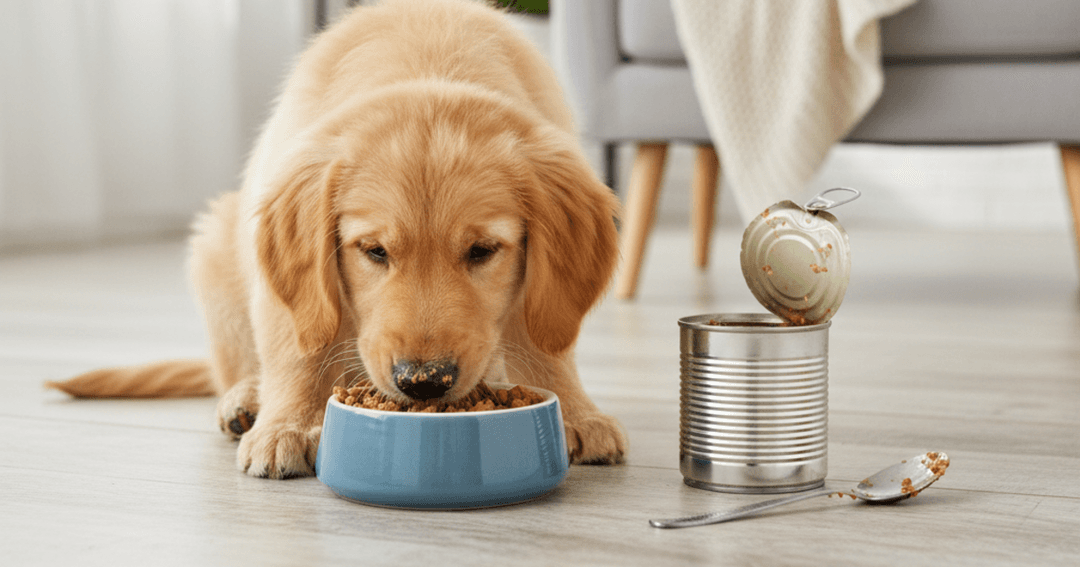
- Try wet or fresh food (canned, gently cooked or refrigerated), which smells stronger and tastes richer.
- Try a different protein. Chicken, beef, lamb, fish and turkey have different aromas. Change one thing at a time.
- Consider small kibble size for small breeds or a larger size for big dogs that gulp.
- Pick a food with higher palatability, such as those with animal fat coatings or higher moisture.
- Keep it simple. Avoid frequent rotation until you have found something your dog eats reliably.
Food types compared
| Type | Pros for picky dogs | Cons |
|---|---|---|
| Dry kibble | Convenient, affordable, good for teeth in some cases | Less aromatic, may bore some dogs |
| Canned (wet) food | Strong smell, soft texture, high moisture | More expensive, can encourage fussiness if it replaces all other foods |
| Fresh or refrigerated | Very palatable, often appealing | Costly, short shelf life |
| Freeze-dried or air-dried | Strong flavor, can be used as a topper | Expensive, check that it is complete and balanced if used as a main diet |
| Mixed (kibble plus wet) | Combines convenience and appeal | Needs careful calorie counting |
| Homemade | Fully customizable | Needs a veterinary nutritionist's recipe to be balanced |
Safe toppers and mix-ins
Toppers can tempt a picky eater, but they add calories, so subtract from the meal portion.
- A spoonful of wet dog food mixed into kibble
- Warm water or low-sodium broth (no onion or garlic) to soften and add aroma
- Plain cooked chicken or turkey, without seasoning or skin, in small amounts
- Plain cooked egg
- Plain canned pumpkin (not pie filling) for fiber
- Plain unsweetened yogurt, in small amounts if tolerated
- Green beans or carrots as low-calorie additions
- Commercial food toppers designed for dogs
Avoid onions, garlic, grapes, raisins, chocolate, macadamia nuts, xylitol and heavily seasoned or fatty foods.
A step-by-step routine to reset appetite
- Rule out illness with your vet.
- Pick one complete-and-balanced food and stick with it.
- Feed at set times, usually twice a day, and pick up the bowl after 15-20 minutes whether or not your dog has eaten.
- Skip food between meals. No treats, scraps or chews right before mealtime.
- Do not add something tastier each time the dog refuses.
- Stay calm. A healthy adult dog will not starve itself in a day or two, but puppies, toy breeds, seniors and dogs with health issues should not go without food for long. Call your vet if your dog refuses food for more than 24 hours, or sooner for puppies and small dogs.
- Reduce treats to under 10% of daily calories.
- Exercise before meals to build appetite.
- Make mealtime calm in a quiet spot away from other pets.
- Be consistent for 1-2 weeks before judging results.
Hand-feeding and stress
Some dogs eat better from a hand, a puzzle feeder or a slow feeder than from a bowl, particularly anxious dogs. Others do better in a quiet room away from the family. Try different setups, but avoid making hand-feeding a habit if it becomes a requirement for eating.
Worked example: calories and toppers
A 10 kg (22 lb) adult dog needing about 650 kcal per day.
- Resting energy: RER = 70 × 10^0.75 = 70 × 5.62 = about 394 kcal. Neutered adult factor 1.6 gives about 630 kcal per day.
- Plan: 600 kcal from food and 60 kcal from treats and toppers, which is under 10%.
- Try 1/4 can of wet food (about 80 kcal) as a topper.
- Reduce kibble by 80 kcal. If the kibble is 360 kcal per cup, remove about 1/4 cup from the daily ration.
- Weigh the dog every 2 weeks and adjust.
- Gradually fade toppers by reducing the amount over a week or two once the dog is eating reliably.
Use the dog food calculator to compare portions across foods.
Switching foods without upsetting the stomach
Even picky dogs need a gradual change.
- Days 1-3: 25% new food, 75% old food
- Days 4-6: 50% new, 50% old
- Days 7-9: 75% new, 25% old
- Day 10: 100% new
For very picky dogs, mix a small amount of the new food on top and increase slowly. Watch stools, and slow down if there is diarrhea.
Mistakes that make picky eating worse
- Changing foods constantly, which trains the dog to hold out for the next new thing
- Giving in with scraps or treats when the bowl is refused
- Free-feeding, which removes hunger as a motivator
- Too many treats and chews, especially before meals
- Stressful or noisy mealtimes
- Assuming a dog hates a food after one meal
- Adding unsafe toppers such as fatty trimmings or seasoned leftovers
- Ignoring dental or medical problems
Special groups
Puppies: need frequent meals and should not skip them. Call your vet if a puppy refuses food.
Small and toy breeds: can develop low blood sugar if they miss meals. Contact your vet promptly.
Seniors: often lose smell and taste or have dental disease. Warming food and offering softer textures may help, and any sudden change should be checked by a vet.
Dogs on medications: some medicines reduce appetite. Ask your vet.
Dogs with medical diets: do not add toppers without checking with your vet.
When to call your vet
Call your vet if your dog refuses food for more than 24 hours, loses weight, vomits or has diarrhea, seems tired or in pain, drinks excessively or has bad breath or trouble chewing. Puppies and toy breeds should be seen sooner.
The bottom line
The best food for a picky eater is a complete-and-balanced diet your dog will eat reliably, offered on a schedule with limited treats and no constant swapping. Rule out illness, try different textures and warm or moisten the food. Keep calories on track with the dog food calculator.
Frequently asked questions
PawCalculator Editorial
We combine veterinary references, published guidelines, and calculator-grade modeling. This article is for education, not a substitute for an exam.
+ Follow on PawTalk